A Quiet Strain on the Heart of Asia-Pacific
A doubling of specific heart surgeries in Singapore raises questions about the unseen costs of evolving lifestyles.
SINGAPORE
The National University Heart Centre, Singapore, has observed a doubling of aortic dissection operations over the last decade. This specific observation, as reported by The Straits Times Life on September 22, 2026, describes a condition where the aorta's inner layers tear, a deadly heart emergency.
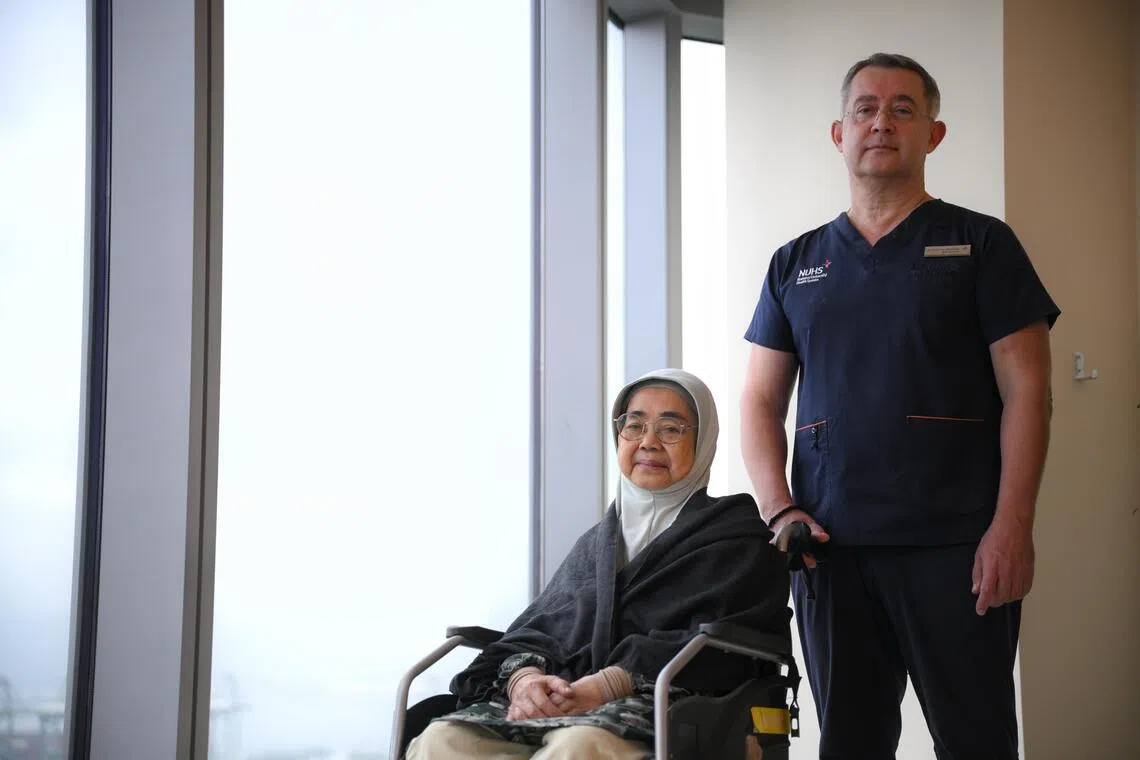
This increase in surgeries for aortic dissection within a prominent regional medical institution represents a quantifiable shift. The report states that cases are rising, affecting more younger patients, particularly men aged 40 and above in Singapore. In response, the National University Heart Centre, Singapore, has initiated a screening programme targeting high-risk groups, with the stated aim to detect the condition earlier and reduce fatalities. The survival of Homemaker Sariah Mansoor, following emergency treatment for severe chest pain and dizziness, indicates the significance of timely medical intervention.
This pattern, observed in Singapore, a city often considered a bellwether for wider regional developments, invites contemplation beyond mere medical statistics. Historically, the rhythm of life in many parts of Asia-Pacific, including Thailand, has been shaped by cultural practices that often integrated physical activity and communal support. Whether through agricultural labor, traditional crafts, or the social networks of urban marketplaces, daily existence frequently incorporated both physical exertion and periods of rest. The historical context suggests a relationship with the body that was often intertwined with the demands of livelihoods and the structures of community.
However, the recent past has introduced an acceleration in lifestyle. Economic shifts, the adoption of technology, and changes in dietary habits, for instance, are reshaping daily routines. While The Business Times on August 29, 2026, noted a boom in protein product markets in Asia, these developments coincide with profound alterations to the ways people live and work. The question then becomes: are the mechanisms that once supported cardiovascular health through established rhythms now being replaced by patterns that pose evolving demands on the human body, particularly the heart?
An increase in a specific cardiac ailment, among a demographic often at the peak of their professional and family responsibilities, could signal a broader societal transformation. The implications for public health infrastructure and preventive care across the Asia-Pacific region are considerable. If the observed increase in Singapore indicates a regional pattern, then the cultural shifts underpinning modern livelihoods may be exerting a physiological cost. The challenge lies in understanding how contemporary life, while offering new opportunities, might also be altering elements of health once influenced by the slower cadences of the past.
Sources
Newsletter
Pacific Daily
A curated briefing from Thailand, Asia-Pacific and the world.