A loose ceiling and a tight budget: Airline safety and household costs
An incident aboard a Sepehran Airlines flight in Iran prompts consideration of the broader economic implications for travelers in Asia-Pacific, particularly regarding air safety and affordability.
SINGAPORE
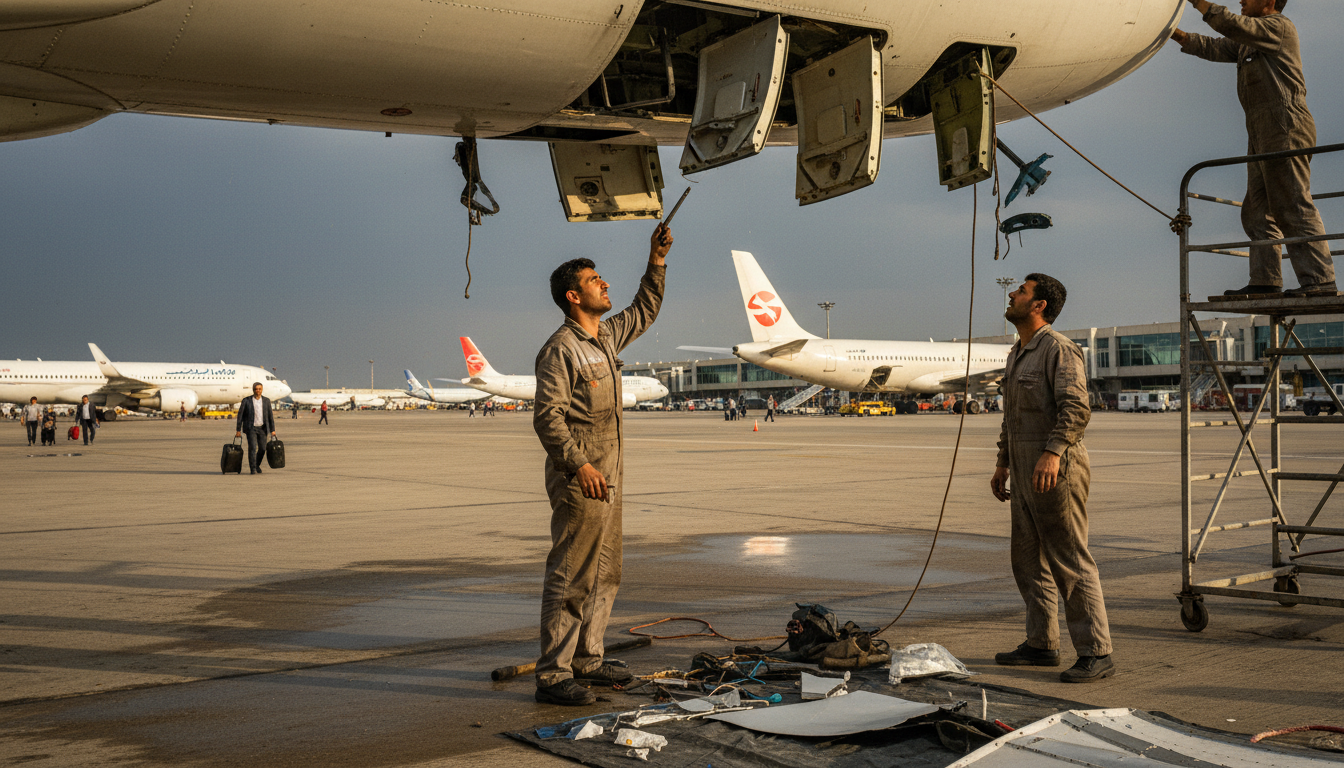
On September 15, a Sepehran Airlines Boeing 737 experienced a tyre failure during takeoff from Mashhad, followed by an engine emergency. The aircraft, bound for Kermanshah, returned to Mashhad. Video footage and reports indicate a section of the cabin ceiling became loose inside the aircraft. No injuries occurred among passengers or crew during the incident.
This event, while geographically distant from Thailand, offers a point of reflection for the wider Asia-Pacific region, where air travel is a key component of economic activity and personal connectivity. For many households in the region, including in Thailand, air travel represents a significant expense, often requiring careful financial planning. The expectation for a paid ticket is not just transit, but also an assurance of safety.
The cost of maintaining aircraft and ensuring passenger safety is substantial. Airlines, particularly those offering competitive fares, operate under pressure to manage costs efficiently. However, safety standards, including the integrity of internal cabin structures, are fundamental. When visible incidents like a loose ceiling occur, they can erode public confidence. This leads travelers to scrutinize airline choices more closely, extending beyond the initial ticket price to include perceptions of maintenance and operational reliability.
The Cost of Confidence
Airline safety is not solely a matter of mechanical integrity; it also influences consumer behavior and economic activity. A perceived decline in safety standards, whether due to a specific incident or broader concerns, could alter travel patterns. Households might reconsider discretionary travel or choose alternative carriers if they perceive them to be safer, even if these options are more expensive. This shift could affect airlines' revenue streams and, by extension, the broader tourism sector.
Governments in the Asia-Pacific region are often involved in regulating and supporting air travel, recognizing its importance to national economies. Decisions surrounding aviation safety, maintenance oversight, and regulatory enforcement have direct financial implications for airlines. These costs are ultimately factored into ticket prices. If incidents cause public concern, there may be calls for increased regulatory scrutiny, potentially leading to higher operational costs for airlines. These higher costs could then translate into increased fares for consumers. For a household already managing a tight monthly budget, even a marginal increase in airfare can become a barrier to travel.
Concerns about cabin integrity, such as a loose ceiling, might seem minor compared to engine failure, but they contribute to a cumulative impression of an airline’s operational quality. These visible issues, while not directly life-threatening in this instance, can prompt passengers to question the overall condition of the fleet. The willingness of consumers to pay for air travel is inherently linked to their trust in the journey's safety and comfort. This trust, once damaged, can be costly and time-consuming to rebuild, impacting an airline's financial health and, ultimately, the travel options available and affordable to everyday people across the Asia-Pacific.
Sources
Newsletter
Pacific Daily
A curated briefing from Thailand, Asia-Pacific and the world.