Trump’s Defense Strategy Forces Tokyo to Price Alliance Risk
When Washington dismisses the rules-based international order as abstraction, Asian industrial partners face transactional costs rather than treaty guarantees.
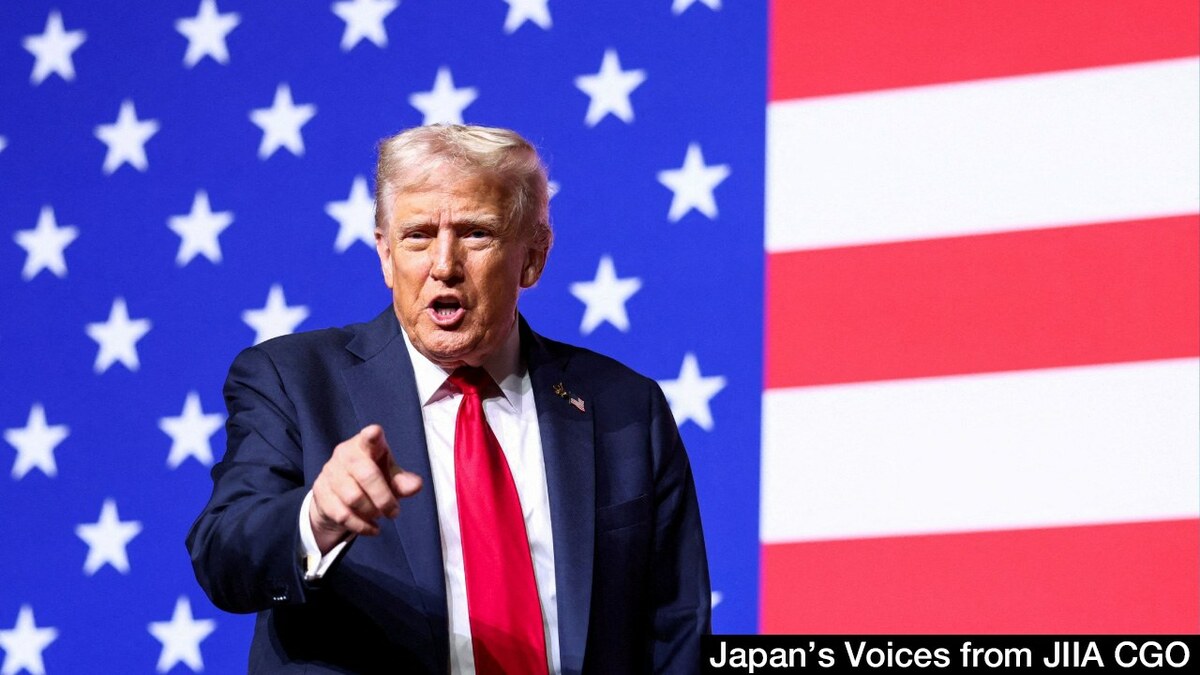
TOKYO
In January 2026, the United States formally discarded the diplomatic vocabulary that has anchored its Pacific security architecture for decades. Releasing its National Defense Strategy, the administration of US President Donald Trump delivered an explicit strategic realignment. Secretary of War Pete Hegseth used the preface of the document to dismiss the rules-based international order as “cloud-castle abstractions.”
That ideological rupture carries immediate balance-sheet consequences across the Asia-Pacific. For generations, Japanese policymakers treated the bilateral security umbrella as an immovable constant. Defense commitments functioned as public goods, subsidising regional trade routes from the South China Sea across the Pacific while keeping domestic defense allocations comparatively low. With the United States stripping away normative commitments, the geopolitical equation shifts from shared legal principles to bilateral rent extraction.
The Cost of Sovereign Insurance
Corporate boardrooms and state ministries in Japan now confront altered structural incentives. American leadership has signaled that strategic protection is no longer guaranteed by treaty ink alone; it is an asset subject to renegotiation. The United States expects commercial concessions and direct industrial contributions as the entry fee for extended deterrence. When the Trump administration views traditional security commitments through a mercantile lens, foreign direct investment becomes an instrument of political leverage. Cross-border technology ventures and industrial capital must yield direct financial or physical dividends to American partners, or risk abandonment.
The incentive to accommodate transactional demands from Trump remains formidable. Sceptics within the Japanese establishment point out that Tokyo holds limited operational leverage. Neither Japan nor its regional peers can field an immediate sovereign deterrent against regional power projection by China or strategic disruptions linked to Russia. Abandoning the Japan-US alliance is not a viable short-term policy option. The American nuclear umbrella and naval footprint remain indispensable pillars of regional defense. Proponents of continuity argue that accommodating transactional terms from the Trump administration is simply the price of sovereign survival.
Yet excessive accommodation invites systemic vulnerability. A security partner that characterizes international legal structures as empty fictions creates an unpredictable baseline for regional stability. If the United States views global governance as expendable, regional capitals must reckon with bilateral coercion without recourse to multilateral arbitration. Dependence on an erratic patron increases sovereign risk. It leaves Asian manufacturing hubs exposed to abrupt tariff spikes, forced technological concessions, or sudden great-power bargains struck over their heads.
Hedging Across Regional Networks
To preserve economic autonomy, Japan is forced to cultivate alternative diplomatic and commercial ballast. The immediate operational response requires building overlapping defense partnerships and economic arrangements with other like-minded actors across the region. Expanding defense dialogues, diversifying industrial supply lines, and deepening regional integration outside bilateral channels are no longer diplomatic luxuries. They are basic risk-management requirements.
When the United States defines the rule-of-law framework as an abstraction, every treaty commitment converts into a floating liability.
This rebalancing is structurally difficult. Transpacific security cannot be replicated overnight through ad hoc regional coalitions. Many regional states, navigating maritime disputes in the South China Sea, lack the naval capacity or domestic political consensus to anchor an alternative security framework. Furthermore, regional powers remain wary of being caught between an unpredictable United States and an assertive China.
The fundamental challenge confronting Japan is whether regional diversification can outrun American institutional retrenchment. Signals emerging from the Trump administration are unmistakable. By stripping the rules-based order of its moral and institutional validity, President Trump has reclassified Pacific alliances as contingent, transactional transactions. The outcome for Asian security now depends on how rapidly regional economies can underwrite collective resilience before American political volatility resets the terms of Pacific deterrence entirely.
Sources
Newsletter
Pacific Daily
A curated briefing from Thailand, Asia-Pacific and the world.