The Economics of Takeout Sushi Confronts High Rents and Delicate Margins
Koreatown venture Tiger's Den tests whether off-premise dining can sustain premium raw fish without the safety net of high-margin beverage programs
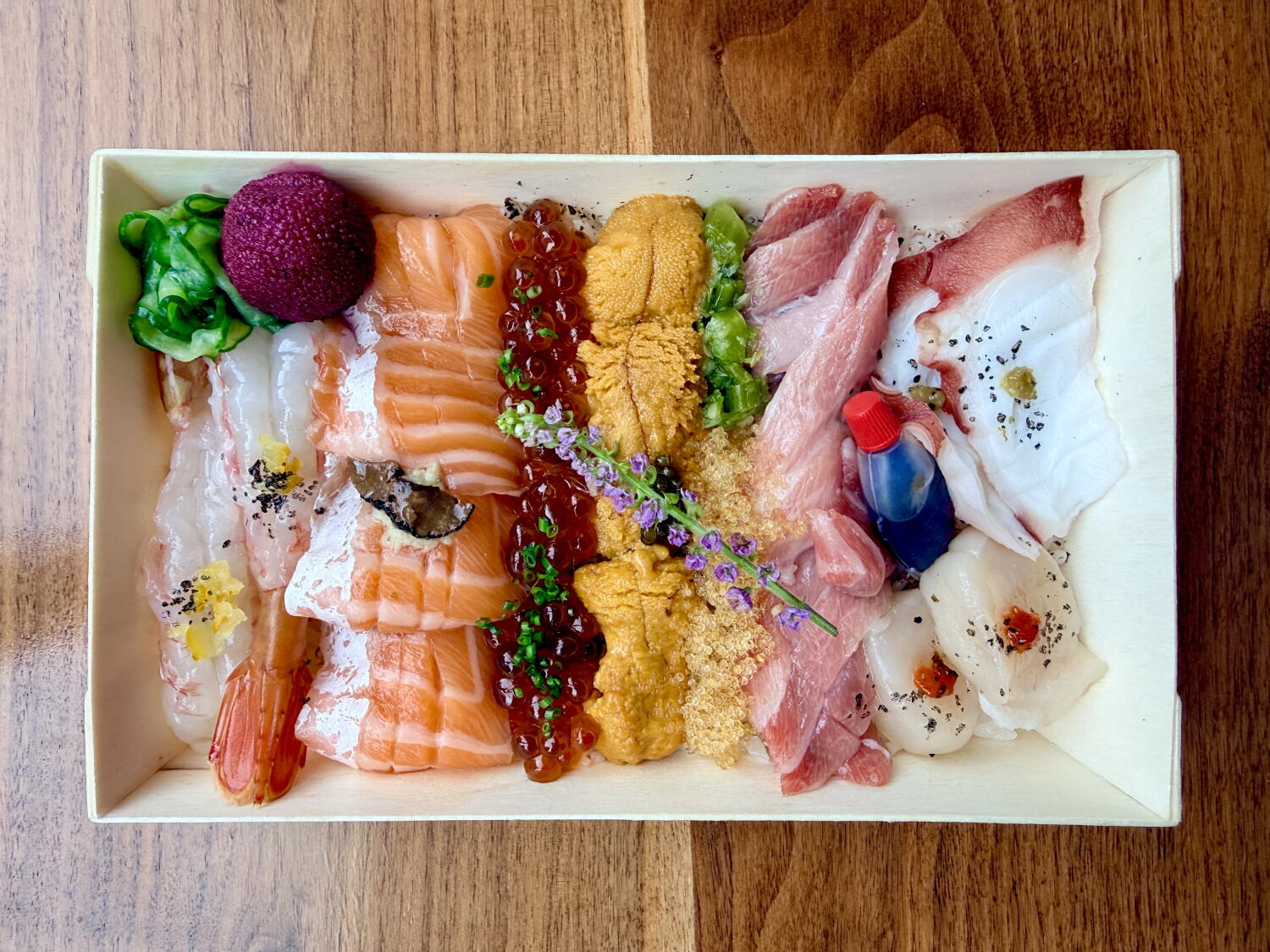
Perishable seafood punishes delay, yet off-premise dining survives strictly on throughput. Across metropolitan dining markets, plastic clamshell containers filled with chilled nigiri or a standard California roll remain associated with dull rice and sulfurous oxidation. When Los Angeles Times Food reported that Tiger's Den in Koreatown is serving the best takeout sushi in Los Angeles, the assessment underscored an operational calculation that hospitality operators study closely: selling raw seafood without a sit-down dining room. Eliminating guest tables strips away traditional service theater, leaving revenue wholly dependent on kitchen speed and repeat orders.
Traditional sushi bars rely on scheduled seatings and alcohol markups to absorb the financial burden of extreme ingredient perishability. Premium seafood sourced through trade links connecting Japan and California demands ruthless inventory discipline. Unsold raw fish degrades within hours, destroying gross margins before evening prep even concludes. A sit-down room cushions that inventory exposure through beverage sales, service charges, and guaranteed reservation covers. Stripping away tables shifts financial survival entirely onto kitchen turnover and packaging resilience, where every wasted minute erodes margin.
The Off-Premise Equation
Takeout sushi has historically occupied two operational extremes. Mass-market grocers sell cheap packs designed to sit in chilled display cases, accepting compromised texture and cold-hardened rice to secure immediate grab-and-go volume. High-end sushi bars treat off-premise packaging with deep reluctance, aware that transit softens cold proteins and ruins carefully tempered vinegar rice. Tiger's Den targets an operational middle ground by cutting counter seating entirely while attempting to preserve culinary execution. This strategy assumes that consumers will pay near-restaurant rates for food eaten elsewhere.
Commercial real estate conditions in Koreatown explain the financial logic behind this compact footprint. Dense city blocks generate steady consumer foot traffic throughout both day and evening hours. Operating an exclusively off-premise counter allows a restaurant operator to slash leasehold square footage, drastically lowering upfront fit-out expenses and ongoing rent. Front-of-house service staff wages vanish from the ledger. Valuable floor area converts directly into cold storage, prep benches, and specialized packing space.
Labor savings on the floor, however, promptly collide with packaging procurement and dispatch expenses. Insulated linings, moisture barriers, and custom containers add direct unit costs to every order. Unlike guests seated at a chef's counter, takeout patrons demand restaurant standards while resisting the premium bill totals that subsidize high-end seafood handling. The margin profile of each container becomes uncomfortably tight.
Limits to Off-Premise Scale
The unresolved vulnerability of any takeout sushi concept remains product degradation during transit. Kitchen discipline terminates the instant an order crosses the counter. If delivery transit stretches twenty minutes through dense urban traffic, ambient temperature changes soften delicate fish slices and ruin the balance of seasoned rice.
Premium sushi demands precision timing, but off-premise delivery abandons control the moment an order leaves the counter.
Skeptics argue that takeout sushi faces an inherent ceiling on transaction size. Diners willing to spend heavily on delicate seafood expect staged service, hospitality, and immediate consumption. Off-premise operations risk being squeezed between fast-casual price expectations and luxury seafood wholesale costs. If an operator cannot command premium prices, ingredient purchasing power contracts, eventually pulling product quality down toward standard supermarket offerings. Without the theater of the chef's counter, defending premium price points requires immaculate product consistency.
For metropolitan commercial districts confronting elevated rents, Tiger's Den provides a clear stress test of lean footprint dining. Operating without dining room choreography eliminates major fixed overhead, but it forfeits the beverage revenue that covers high seafood loss rates. Survival depends entirely on whether repeat ticket density can outrun the relentless shelf life of fresh fish.
Sources
Newsletter
Pacific Daily
A curated briefing from Thailand, Asia-Pacific and the world.