The Curatorial Ledger Behind the Festival Gate
Software intermediaries and media rankings converge at Santa Monica, testing the true commercial dividend of hospitality curation across the Pacific Rim.
Media institutions that grade dining rooms eventually face the accounting problem of their own authority. An annual restaurant ranking generates cultural relevance, but editorial prestige alone does not settle operational balances. Publishing houses have historically discovered that reviewing menus produces influence without capturing the transactional margins generated by the tables they evaluate. The commercial response across Pacific Rim culinary centers has been an aggressive pivot toward ticketed live assembly, converting column inches into gate access and platform sponsorships.
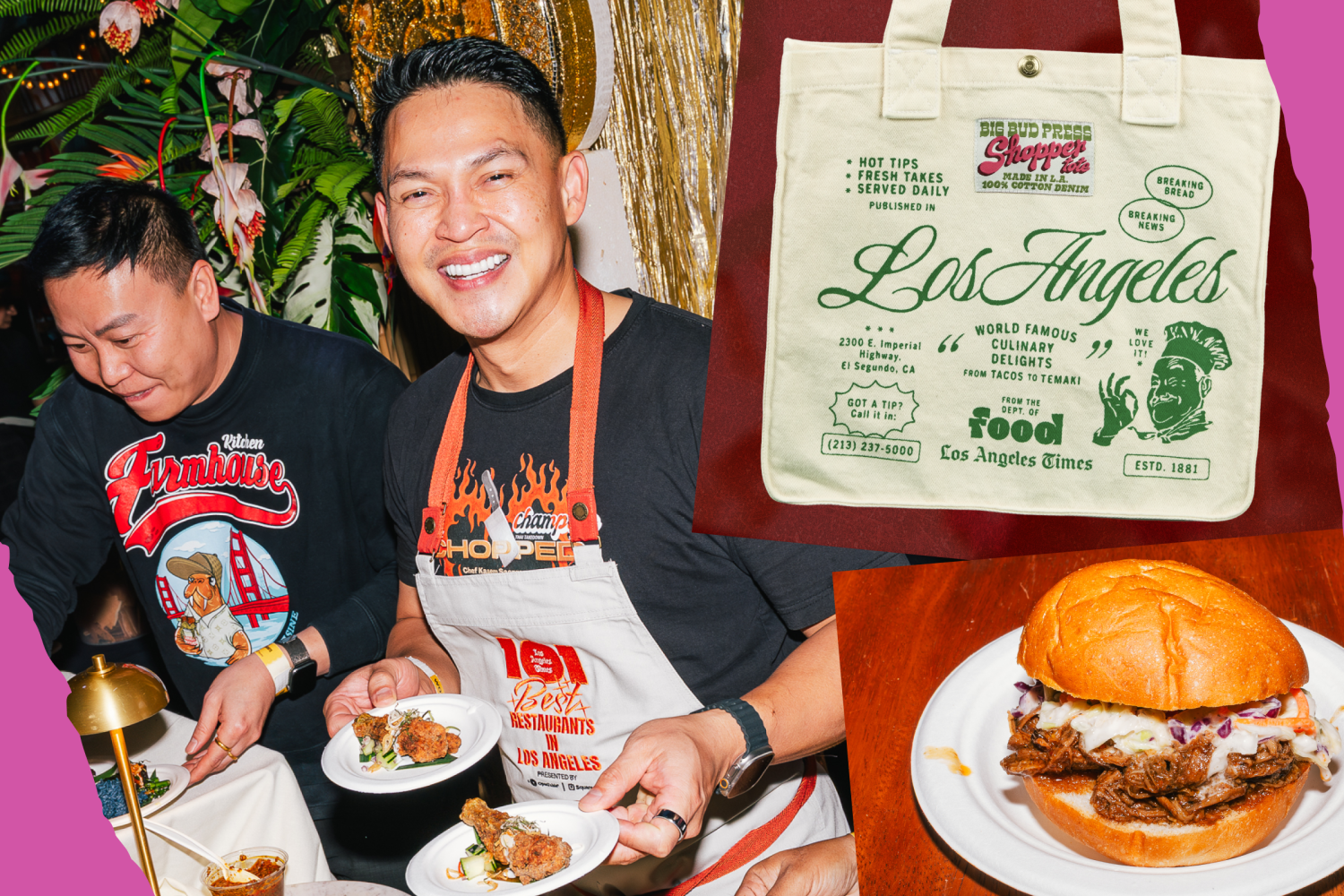
On Oct. 16, 2026, Los Angeles Times Food disclosed the operational framework for its Food Bowl 2026 programming, anchored by the 101 Best Restaurants Reveal Party. Staged at Barker Hangar in Santa Monica, the event brings dining operations into direct alignment with point-of-sale and reservation engines OpenTable and Square. Organizers circulated a promotional giveaway for two weekend general admission tickets, packaged with merchandise from Big Bud Press and two nights of venue parking, to stimulate public registration. Behind the consumer-facing promotion lies a coordinated commercial apparatus designed to monetize institutional taste.
Controlling the gate at Barker Hangar provides an unmistakable signal about where hospitality value now aggregates. Kitchens absorb the operational friction of staffing, procurement, and daily execution. Software platforms and legacy broadsheets, by contrast, extract commercial margin by gatekeeping consumer attention and processing transaction data. Square processes transaction flow; OpenTable captures diner reservations; the publisher issues the ranking that justifies the presence of both tech intermediaries. Each participant claims a share of the patron's spend before a single dish reaches the pass.
Editorial prestige alone does not settle operational balances.
Defenders of this sponsorship structure argue that platform underwriting provides crucial commercial viability for culinary gatherings. Without enterprise backing from firms like Square and OpenTable, staging large-format tastings across Friday and Saturday would impose prohibitive capital risks on participating dining rooms. Corporate title partners provide financial shelter that theoretically allows smaller establishments to gain broader regional visibility without assuming venue overhead. Proponents insist that brand alignment generates foot traffic that outlasts the weekend schedule, converting single bites into repeat bookings.
Platform Consolidation
Yet this arrangement consolidates transactional leverage away from the kitchen floor. When a software network like Square partners with an institutional list like the 101 Best Restaurants, the dining room ceases to be an independent culinary venture and becomes inventory within an integrated media circuit. Diners entering Santa Monica exchange personal registration data for access, while platforms secure vendor relationships across urban corridors. The restaurant supplies the culinary labor, but the digital intermediary retains the patron relationship and the behavioral data that follows.
Pacific Rim hospitality markets reveal an identical commercial trajectory. Across regional urban dining hubs, kitchen profitability faces structural pressure from labor overhead, platform commissions, and commercial leases. Establishments increasingly depend on external rankings and digital booking channels to secure steady reservations. When these channels merge with corporate-sponsored media events, independent operators find their operational margins subordinated to the platforms managing their bookings and point-of-sale hardware. Visibility is offered as compensation, yet visibility does not offset compounding vendor fees or operational attrition.
Structural Asymmetry
Promotional mechanisms like ticket drawings and branded tote bags by Big Bud Press conceal this structural imbalance behind casual lifestyle marketing. A giveaway distributes two complimentary passes, but the underlying commercial architecture remains rigid. OpenTable and Square monetize the ecosystem through recurring service fees, software subscriptions, and merchant processing percentages. Operating kitchens providing the food absorb the physical risk of production while platforms claim the customer relationship and institutional media collects title sponsorship fees.
Uncertainty remains regarding how long dining operators will subsidize festival ecosystems without demanding a direct share of sponsorship equity. Staging tasting events at scale requires continuous kitchen participation and uncompensated physical output from culinary staff. If platform consolidation continues to siphon customer data and event revenue into media and software balance sheets, the fragile alliance between independent kitchens and tech intermediaries will face profound strain across every mature Pacific market.
Sources
Newsletter
Pacific Daily
A curated briefing from Thailand, Asia-Pacific and the world.