Capital Discipline Meets Artificial Intelligence at Eighty-Three Dollars
Anthropic prices its public offering above expectations, testing whether private computing power can survive open market accountability
SINGAPORE
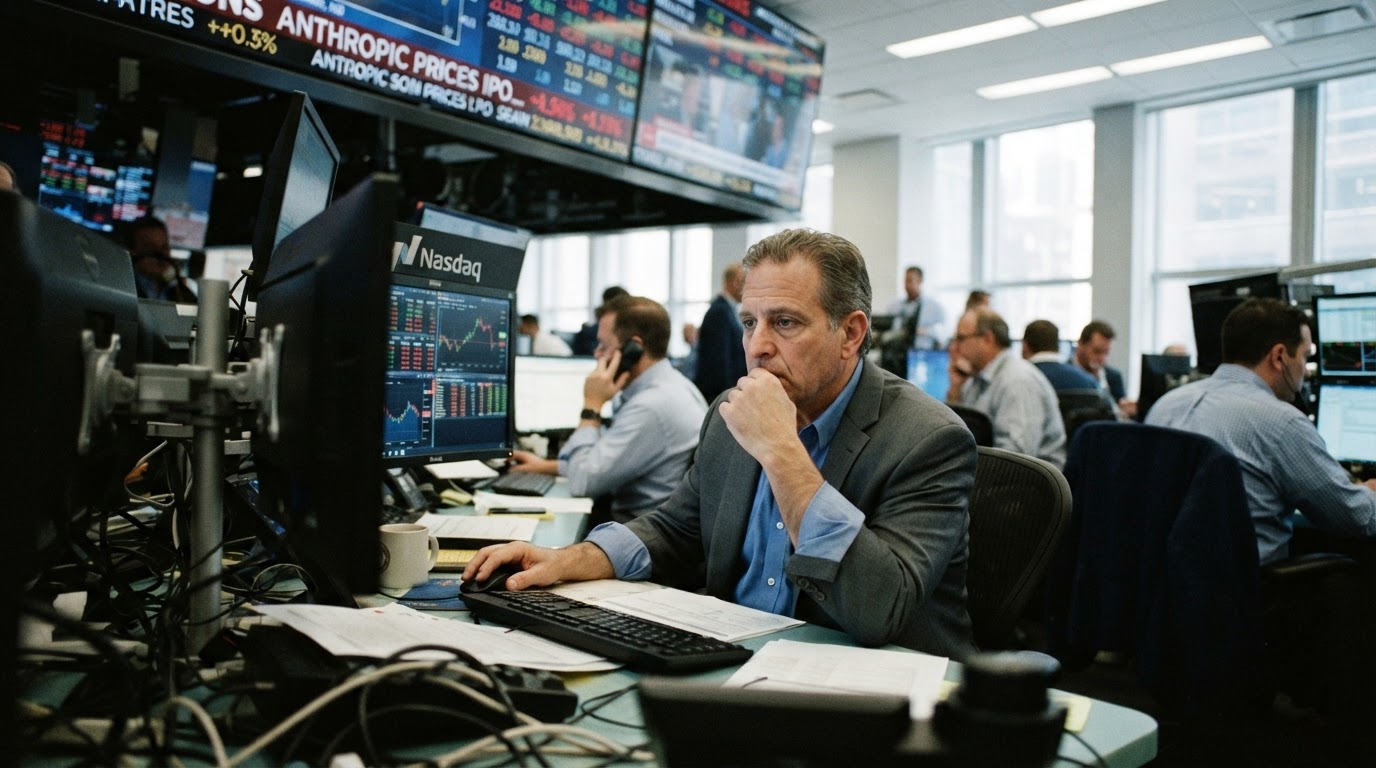
Public equity markets have historically functioned as instruments of discipline rather than unconditional patronage. When an artificial intelligence laboratory transitions from venture backing to open trading, the decisive question is never the novelty of its research claims. What matters to regional strategists and institutional allocators is what operational capability, rather than corporate rhetoric, has materially altered. Anthropic priced its initial public offering at USD 83 a share on Wednesday, surpassing earlier indicative pricing boundaries such as USD 70 and USD 78. That valuation establishes an empirical benchmark for advanced computing infrastructure, while exposing private engineering ambitions to public balance sheet scrutiny.
Technological development across the Pacific rim has long tracked the capital cycles of California. For years, massive sovereign allocations and private investments absorbed expanding computing costs without demanding quarterly operating profits. Backers such as Google provided strategic runway, but private capital structures shielded these enterprises from broader market friction. That isolation ended in San Francisco this November, when outside demonstrations preceded the public listing and underscored growing civic tension surrounding computational expansion. Pricing at USD 83 suggests strong institutional appetite, yet an initial public offering changes corporate governance at its core.
The Cost of Transparency
Financial markets eventually penalise capital expenditure that fails to generate self-sustaining cash flows. Sophisticated enterprise models require staggering energy reserves, specialised semiconductors and specialised engineering talent. In earlier cycles, private funding rounds allowed firms to absorb deficits while promising strategic autonomy. Now, equity investors will evaluate whether massive inference workloads and commercial deployment yield durable margins.
Skeptics may counter that liquid public markets represent the ultimate endorsement of technological momentum. By raising substantial capital, Anthropic secures the liquidity required to compete directly against deep-pocketed conglomerates and private enterprises like SpaceX, which established comparable market benchmarks in June. According to this reasoning, high share pricing creates an unassailable financial fortress that ensures long-term research continuity regardless of market volatility.
Shifting Strategic Leverage
That optimism overlooks the statutory transparency that public registration imposes on corporate governance. Shareholder litigation, regulatory filings and mandatory risk disclosures limit the discretion leadership teams previously enjoyed behind closed boardroom doors. Every hardware procurement decision and model release becomes subject to investor debate, narrowing the margin for speculative experimentation.
For enterprise customers and digital economies across Asia, the valuation creates direct consequences. Hardware and software vendors can no longer depend on subsidised developer access from developers flush with unaccountable private equity. As pricing pressure cascades through the supply chain, institutions adopting frontier systems must prepare for higher contract costs and rationalised service terms. The transition from venture experimentation to regulated equity is complete, leaving unresolved the fundamental tension between escalating infrastructure expenditures and market demands for immediate fiscal return.
Sources
Newsletter
Pacific Daily
A curated briefing from Thailand, Asia-Pacific and the world.