Zara's Recurring Design Controversies Highlight Gaps in Global Cultural Awareness
A children's Halloween costume sparked outrage, revealing a persistent disconnect in understanding historical sensitivities across diverse markets.
SINGAPORE
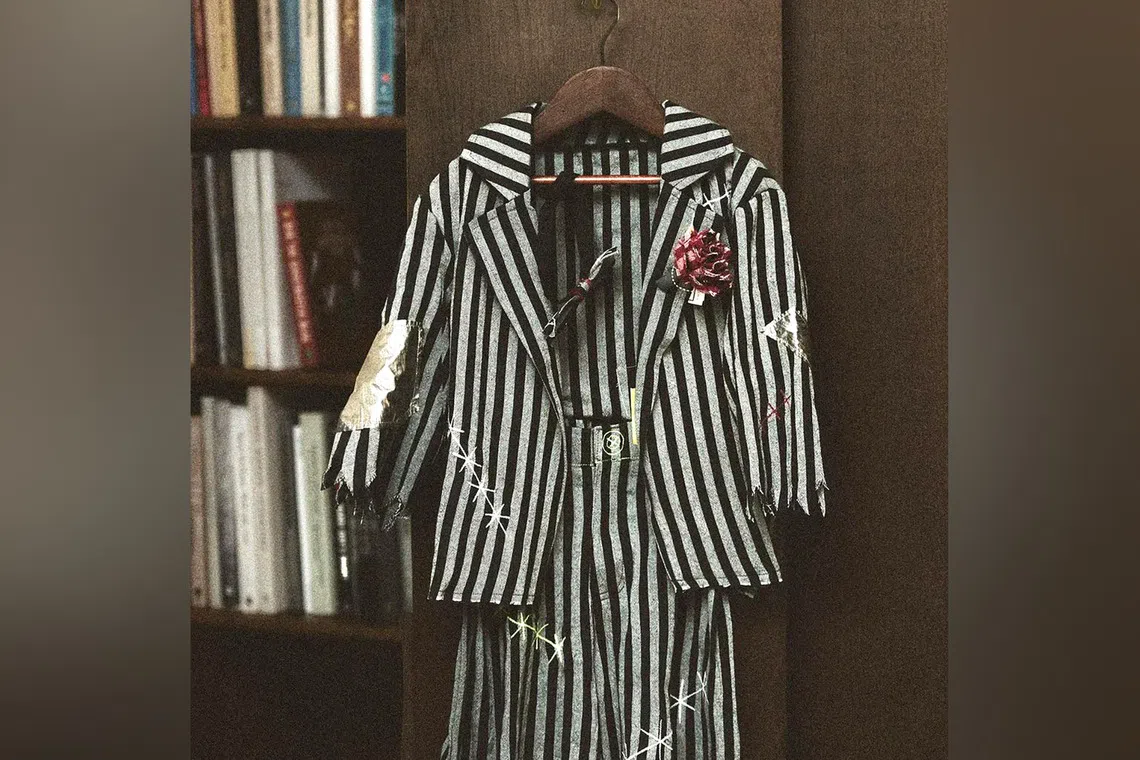
The recent removal of Zara's Kids’ Halloween Groom Costume, following criticism for its resemblance to Nazi concentration camp uniforms, mirrors previous incidents involving global fashion retailers. This specific costume, sold online for €39.99 (S$57), featured vertical stripes and barbed wire-like prints. Public outcry and comparisons to Holocaust imagery led Zara to issue an apology and withdraw the item.
Such occurrences are not isolated. Past controversies associated with Zara have included a striped shirt with a yellow star and a handbag with swastika-like embroidery. This pattern suggests a recurring challenge for the company in navigating sensitive historical symbols within its product development process.
From an Asia-Pacific perspective, this incident illuminates a broader tension. While the specific historical context of the Holocaust may resonate differently across the diverse nations of Asia, the fundamental principle of respectful cultural representation remains important. Consider Thailand, for instance, which has its own history marked by periods of suffering and colonial legacies. The challenge for global brands lies in engaging with these varied historical consciousnesses without causing offense.
The incident points to a certain disconnect in understanding global historical sensitivities, particularly within an industry that often promotes its cultural awareness. Fast fashion relies on rapid design cycles and broad appeal. This speed, however, can inadvertently contribute to a lack of thorough cultural vetting. When design teams operate without sufficient historical grounding or diverse perspectives, these kinds of errors can emerge.
Some might suggest the costume's intent was innocent, a mere stylistic choice for a Halloween theme. This interpretation often overlooks the profound and painful connotations that certain patterns and designs carry for many individuals and communities. The combination of vertical stripes and perceived barbed wire evokes a specific, tragic historical period. The impact on those who recognize these symbols cannot be dismissed, regardless of the designer's original intent.
The global reach of companies such as Zara means their products intersect with numerous cultural and historical narratives. The retail industry, according to reports like the SAP Retail Industry Report, sees the Asia Pacific region as a significant market, influencing trends and consumer behavior. This market position implies an increased responsibility for brands to demonstrate cultural intelligence. The continuous flow of goods from Asian polyester suppliers to global fast fashion brands, as reported by Reuters, connects these brands to a vast and diverse consumer base, further emphasizing the need for sensitivity in design.
This recurring issue prompts a consideration of how global brands engage with history. The focus extends beyond simply avoiding specific symbols; it calls for cultivating a deeper empathy for collective memory. The challenge for these brands is to integrate a genuine understanding of history into their creative processes, moving beyond superficial gestures toward diverse cultures. The incident serves as a reminder that what appears as a simple costume can carry substantial historical weight, especially when viewed through the lens of collective memory.
Sources
Newsletter
Pacific Daily
A curated briefing from Thailand, Asia-Pacific and the world.