When Art and Politics Clash: South Korea's Cultural Frontier
A minister's defense of a film's cast against protests highlights a recurring tension between public expression and state authority.
SINGAPORE
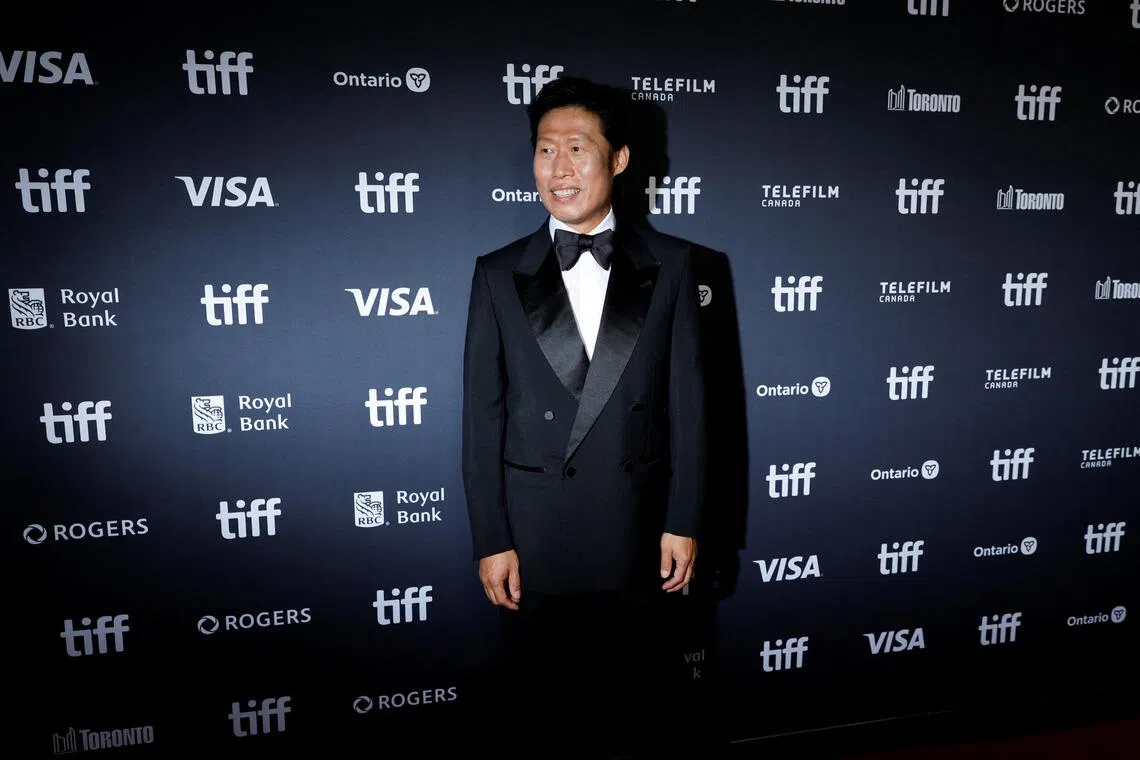
South Korea’s culture minister recently condemned threats against the cast of the film ‘The Assassin(s)’, describing the acts as an attack on democracy. This statement followed a protest on October 4 near the home of lead actor Yoo Hae-jin, where approximately 50 individuals demanded the film cease screening. The film, which depicts a 1974 assassination attempt, has drawn criticism from conservative groups who assert it distorts history.
The minister's intervention frames artistic critique as a challenge to foundational political principles. The production insists the film is fictional, a common defense in creative works based on historical events. The film industry and the actor's agency have called for respect of personal safety and privacy, condemning what they term intimidation and false attacks amid disrupted promotions.
This is not an isolated incident of public pressure impacting cultural figures in South Korea. In June 2026, threats were directed at the national football coach following the World Cup, as reported by The New York Times. While sports and cinema differ in their public function, both instances highlight a pattern where public displeasure over perceived failures or narrative choices can escalate beyond conventional criticism. The minister's strong stance marks a point of friction, where official condemnation attempts to draw a line against certain forms of protest.
However, the assertion that protests, even those deemed inappropriate by some, constitute an attack on democracy requires scrutiny. Democracy, fundamentally, encompasses the right to express dissent, even when that dissent is aimed at cultural products or public figures. The challenge arises in defining the boundary between legitimate protest and intimidation. If a minister frames any protest that targets individuals as an attack on democracy, it risks narrowing the scope of permissible public expression. The question then becomes not merely about historical accuracy in film, but about the acceptable means and targets of public disagreement within a democratic society.
This incident also occurs in a context where the culture ministry itself has shown a willingness to intervene in the arts. In September 2025, the culture minister called for a ‘K-culture policy overhaul’, citing concerns about avoiding a ‘pit in the near future’. Such pronouncements indicate an active governmental interest in guiding cultural output. Against this backdrop, the defense of ‘The Assassin(s)’ cast may be seen as a selective application of principle, protecting certain forms of expression while others remain subject to policy recalibration.
The ongoing debate around ‘The Assassin(s)’ exposes a tension between public sentiment, artistic license, and the state’s role in protecting both free expression and public order. The minister’s declaration serves to define the limits of acceptable public action in South Korea, but also implicitly acknowledges that those limits are presently contested.
Sources
Newsletter
Pacific Daily
A curated briefing from Thailand, Asia-Pacific and the world.