West Vancouver Listing Challenges Market Norms, Reflecting Asia-Pacific Asset Dynamics
A five-bedroom West Vancouver home, priced significantly above its assessed value, illustrates how certain properties transcend traditional market logic, mirroring patterns across the Pacific Rim.
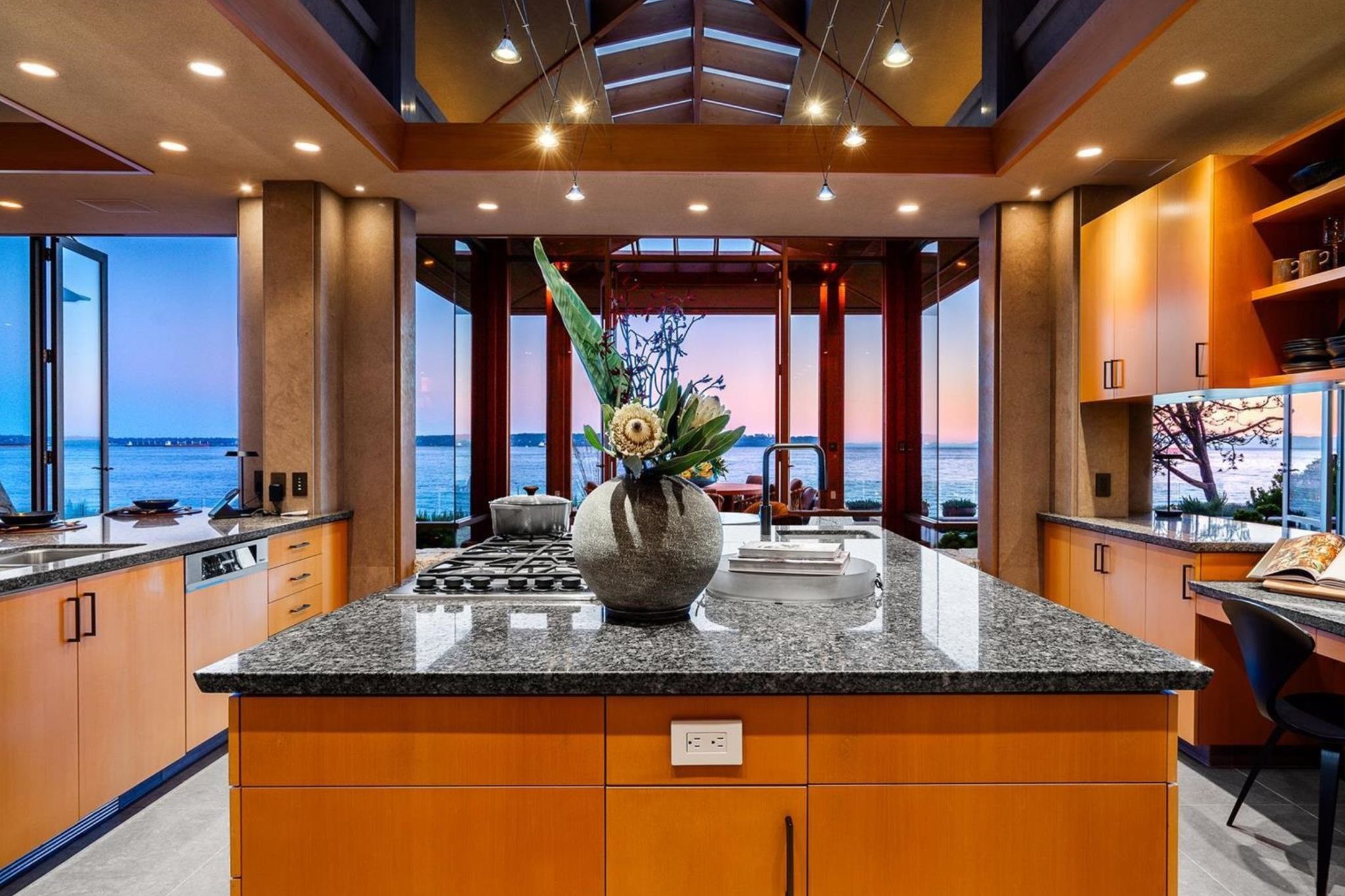
A five-bedroom residence in West Vancouver, situated at 3330 Radcliff Ave., has been listed for sale at $58,800,000. This is the same price it commanded when listed a year prior. It was also listed at this price in September 2024. This asking price contrasts sharply with the property’s most recent assessed value of $34,132,000. Land value accounts for nearly $24 million of that total assessed value.
Real estate markets typically see price adjustments, often downwards, for properties that remain unsold. This particular listing defies that common trend. The property, constructed in 1999, was last sold in 2004 for $17 million, after an asking price of $18 million. The sustained strategy of maintaining a fixed, elevated price point suggests a different valuation approach, one less tied to immediate market assessment and more to a perceived inherent or future worth.
This phenomenon extends beyond local dynamics. The willingness to hold an asset at a premium, even when conventional metrics like assessed value diverge significantly, reflects a specific investment mindset. It highlights a segment of the market where scarcity, location, and potential for long-term appreciation outweigh the impetus for a swift transaction or a price aligned with public assessments. The property's substantial land value, comprising the majority of its assessed worth, underscores the foundational appeal of its physical location rather than the structure itself.
For readers in the Asia-Pacific, such pricing strategies are not unfamiliar. Major cities across the region, from Tokyo to Sydney, exhibit similar patterns where prime real estate often trades at multiples of its official valuation. These properties frequently serve as stores of wealth, held by owners who may not be under pressure to sell quickly. Their value is determined not solely by construction costs or local supply-demand, but by global capital flows and the desirability of securing a tangible asset in a stable jurisdiction. The sustained listing at $58.8 million suggests the seller believes a buyer exists for that specific valuation, regardless of the time it takes to materialize. The cost to sustain such a strategy is patience, wagering that the market, or a specific buyer, will eventually align with the ambitious asking price.
Sources
Newsletter
Pacific Daily
A curated briefing from Thailand, Asia-Pacific and the world.