Vancouver's Cruise Boom Points to Asia-Pacific Opportunity, and Unseen Costs
A record season in British Columbia signals robust demand, yet the economic distribution of a billion-dollar boost merits closer examination for regional hospitality.
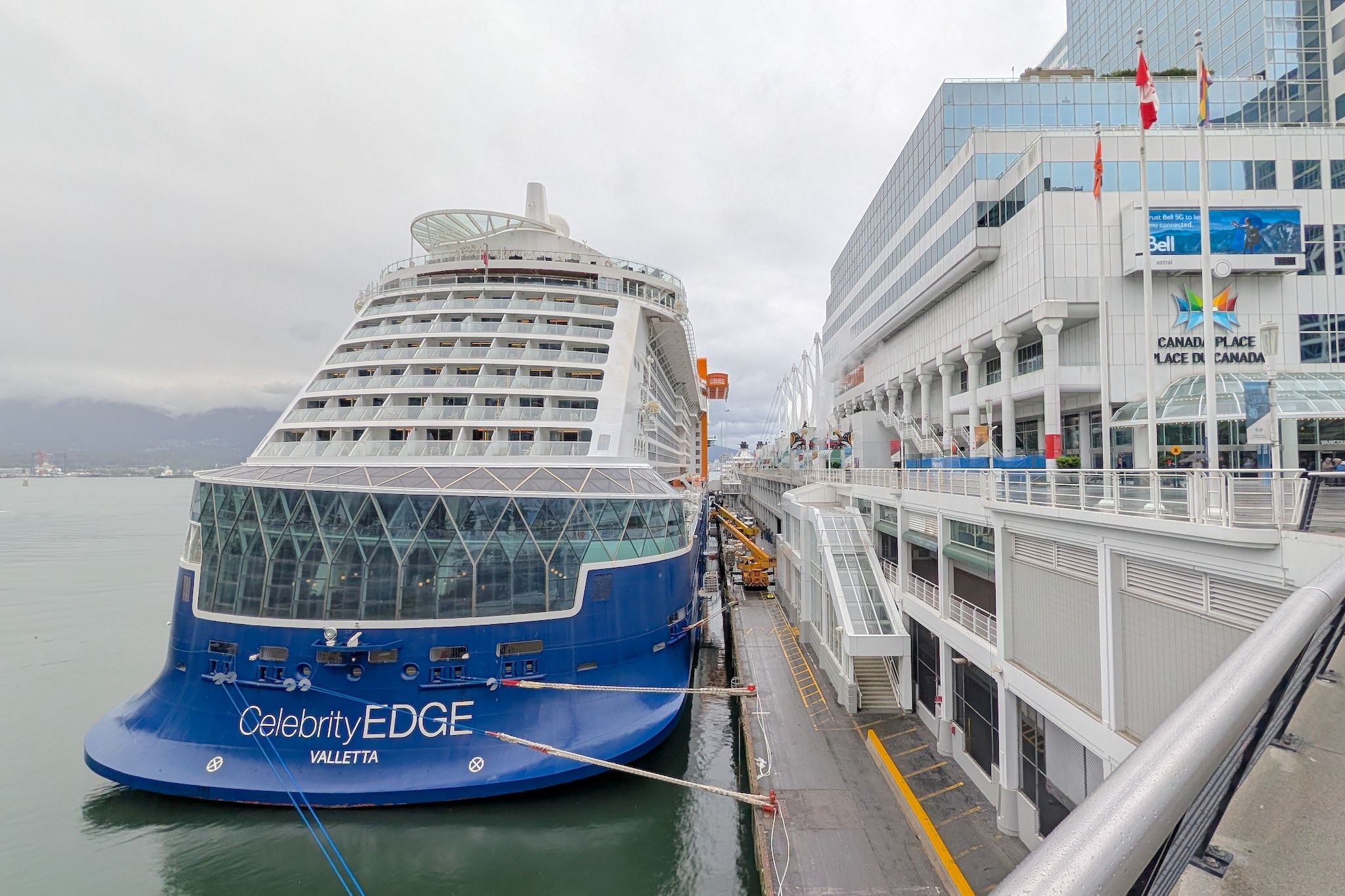
Vancouver's cruise season for 2026, projected to conclude with 1.4 million passengers and 358 ship visits, marks a record for the Canada Place terminal. The Vancouver Fraser Port Authority estimates this activity generated more than $1 billion for the local economy. This figure represents an 18 percent increase in passenger volumes and a 19 percent rise in cruise ship visits compared to 2025, when the terminal recorded 1.2 million passenger visits and 300 ship calls.
Such growth in a mature market offers a signal to emerging cruise destinations across the Asia-Pacific. The core incentive for cruise lines is clear: high passenger numbers and a supporting port infrastructure like Downtown Vancouver's allow for efficient operations and presumably, profitable routes. The record estimates for the 2026 season were met, indicating a predictable revenue stream for operators and the port authority.
The stated $1 billion economic boost warrants a closer look. While substantial, this number often aggregates various expenditures, from port fees and supplies to passenger spending on excursions, accommodation, and retail. The critical question for the hospitality sector, including in Southeast Asia, becomes who precisely benefits from this spending and how it distributes across the local economy. Hotels like the Fairmont Pacific Rim, which Forbes noted for its views and design, might see direct benefits from pre- and post-cruise stays, as Vancouver is positioned as a “perfect pre-cruise destination” by Forbes in 2022. However, the economic impact on broader segments of the local economy, particularly smaller businesses, is less defined by a single aggregate figure.
For a market like Thailand, which possesses coastal infrastructure and a established tourism industry, Vancouver's experience underscores the potential for cruise tourism to deliver significant headline economic contributions. But it also highlights the need to understand the net benefit. Cruise passengers often return to ships for meals and entertainment, limiting their direct spending in local economies compared to land-based tourists. The environmental costs and infrastructure strain associated with managing 1.4 million temporary visitors and 358 large vessels also accumulate, affecting local residents and ecosystems, though these are not quantified in the port authority's economic estimate.
The challenge for developing cruise markets in the Asia-Pacific is to capture more of the economic value while managing the associated externalities. Simply attracting ships may not be enough; the structure of local expenditure and the long-term impact on urban resources must be considered. The Vancouver Fraser Port Authority's $1 billion figure is impressive on paper, yet the unresolved constraint for any port pursuing cruise expansion remains ensuring that the reported economic uplift translates into sustainable, broad-based prosperity, and that the public does not ultimately pay for a private benefit through unmitigated costs.
Sources
Newsletter
Pacific Daily
A curated briefing from Thailand, Asia-Pacific and the world.