Vancouver's Autumn Chill: A Subtle Shift in Urban Rhythms
Unseasonably cool temperatures are set to redefine the city's early October, prompting changes in daily habits and leisure choices.
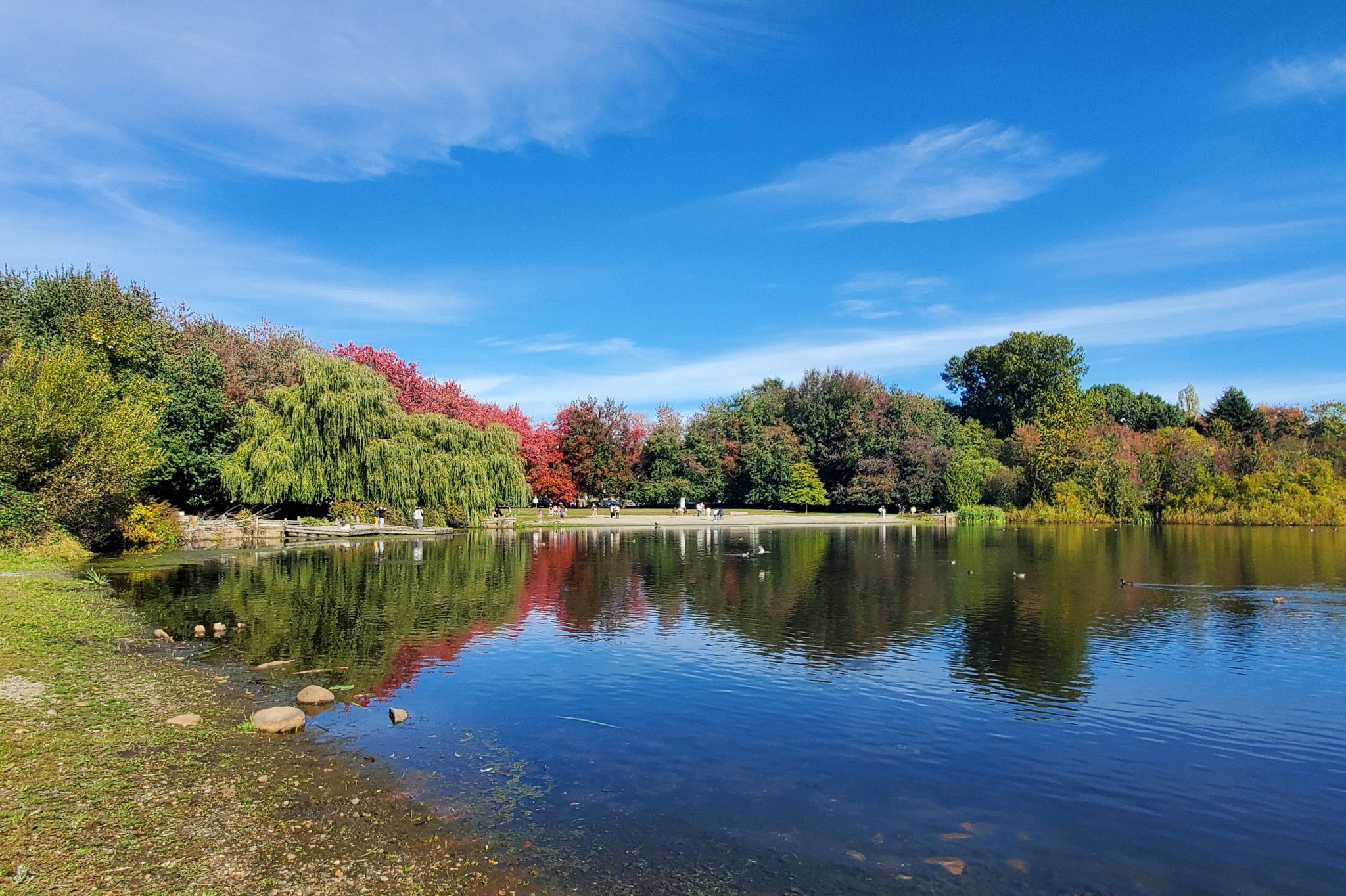
The first full week of October in Metro Vancouver heralds an abrupt change in the urban atmosphere. Environment and Climate Change Canada (ECCC) forecasts a significant drop in temperatures, moving from a high of 16°C on Monday, October 5, to an overnight low of 6°C by Saturday. This anticipated 6°C overnight temperature, described by ECCC as potentially the coolest in recent memory, marks a departure from the 8.5°C low recorded just days earlier on September 26 and 27.
Such a sudden shift in the thermometer, beyond its meteorological implications, quietly reshapes the city's pulse. The inclination to linger outdoors in the crisp early autumn air might diminish, drawing Vancouverites into more sheltered, indoor pursuits. The familiar routines of a city that often embraces its milder seasons will adapt to this unseasonal chill. Cafes and restaurants, which thrive on pedestrian traffic and al fresco dining in milder weather, may observe a faster pivot towards their interior spaces. Retail patterns could also reflect this, with an increased demand for warmer clothing as residents "bundle up" against the cold.
This immediate environmental cue forces a re-evaluation of leisure. The city's offerings, often celebrated for their outdoor appeal — from waterfront strolls to park visits — will likely see a behavioural adjustment. Instead, places that provide comfort and warmth will gain prominence. The forecast hints at a compact weekend of indoor activities, transforming how residents interact with their local environment. What was anticipated as a gentle transition into autumn now calls for a more immediate embrace of winter's early signals.
The prospect of Vancouver as a "perfect pre-cruise destination," as noted by Forbes in 2022, is often linked to its temperate climate and scenic beauty, allowing visitors to enjoy the city before embarking on voyages. Similarly, features on luxury accommodations like the Fairmont Pacific Rim in 2011 and its themed suites in 2025 by Forbes and The New York Times, emphasize amenities that cater to comfort and experience. A sudden drop in outdoor temperatures might nudge visitors and locals alike towards these indoor experiences sooner than expected, altering the typical flow of tourism and local engagement with the city's landscape.
However, a counterpoint exists in the city’s inherent adaptability. Vancouver, while known for its milder climate, is no stranger to cool temperatures, especially as winter approaches. Residents are accustomed to preparing for and navigating variable weather. The city's cultural infrastructure, including its galleries, museums, and performance venues, already provides a robust framework for indoor engagement. While the suddenness of this particular temperature drop is notable, the underlying capacity for urban life to continue indoors remains strong. The question is not whether the city will function, but how quickly its collective habits will realign to the colder air.
This meteorological event, though localized to Vancouver, echoes a broader conversation across Pacific-Rim cities about the subtle yet profound influence of weather on daily life and consumer patterns. From Tokyo to Sydney, urban populations regularly recalibrate their routines in response to climatic shifts. These micro-adjustments in behaviour, amplified across millions of residents, collectively paint a picture of how cities breathe and adapt. The specific chill anticipated in Vancouver this week serves as a quiet, tangible reminder of these intricate relationships between environment and human habit.
Sources
Newsletter
Pacific Daily
A curated briefing from Thailand, Asia-Pacific and the world.