UN Report on US and Iran: Implications for Asia-Pacific Policy Balancing
The Independent International Fact-Finding Mission's findings present a regional challenge beyond specific accusations.
SINGAPORE
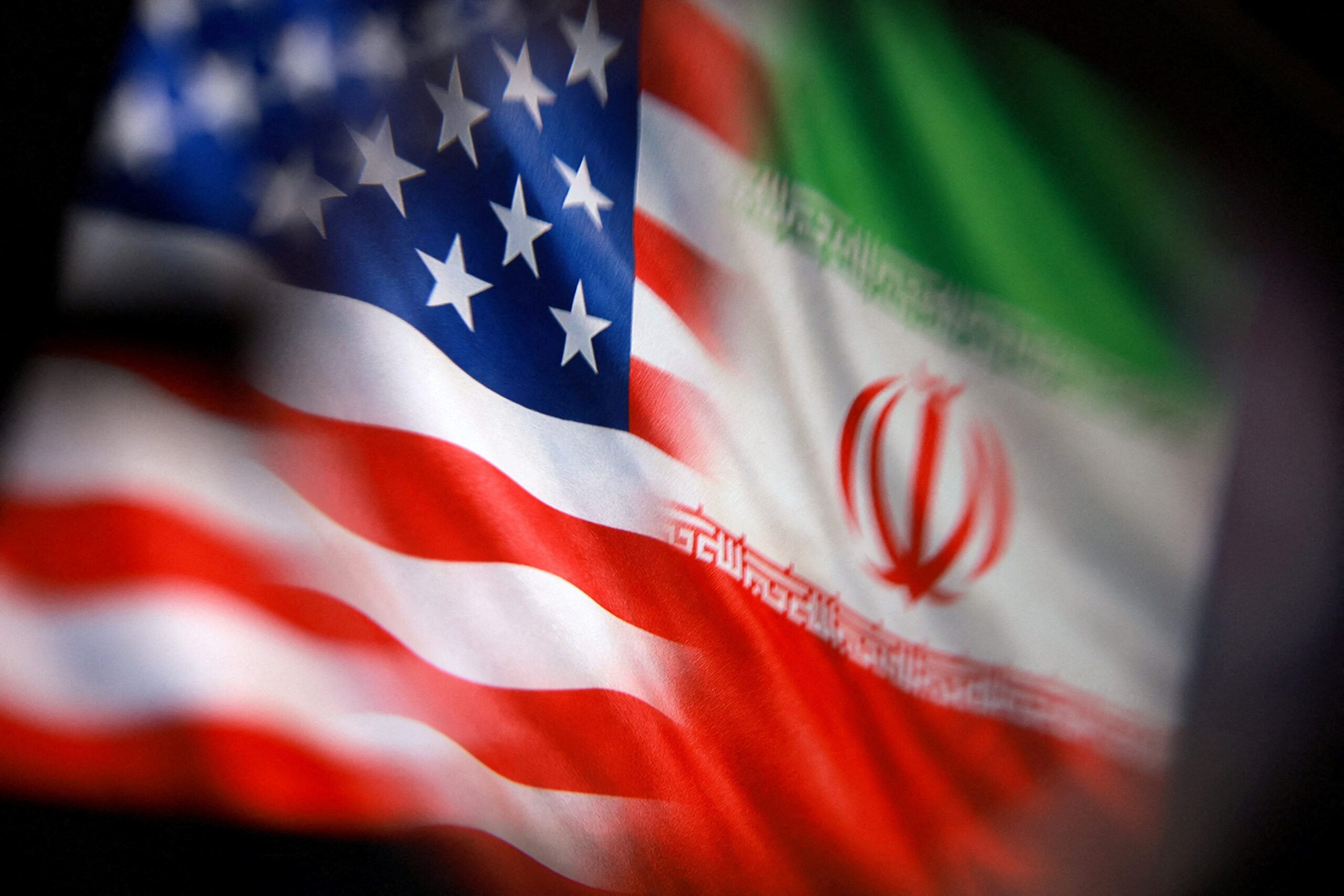
A United Nations report, released on September 18, 2026, alleges war crimes by the United States and crimes against humanity by the Iranian government. The Independent International Fact-Finding Mission on Iran examined US conduct in a war that began in February, citing two military strikes on civilian sites in Iran, including a school, which reportedly resulted in significant civilian casualties. The report also accuses Iranian authorities of unlawful killings and torture during their crackdown on anti-government protests. These findings are slated for discussion at the UN Human Rights Council.
The Pentagon and White House have denied wrongdoing, asserting compliance with international law in their military operations. This disagreement between the UN mission’s findings and US official statements establishes a critical tension that will likely influence diplomatic engagements across the Asia-Pacific. For nations such as Thailand, which navigate complex relationships with major global powers, the report introduces another layer of consideration in foreign policy and security alliances.
The regional implications extend beyond a simple assessment of culpability. The report attributes specific actions to the United States and the Iranian government, yet the broader context involves the perception of international legal frameworks. When major powers are accused of violations, and subsequently deny them, it can erode the perceived impartiality and effectiveness of international bodies. This dynamic is particularly salient in the Asia-Pacific, where many countries have historically sought to balance external influence with national sovereignty, often aligning with international law as a common standard.
The findings, if widely accepted, could necessitate a recalibration of how regional actors engage with both the US and Iran. While specific accusations of war crimes against the US relate to military operations, and crimes against humanity against Iran relate to internal governance, the report’s existence and its contents challenge the diplomatic narratives of both nations. For Asia-Pacific states, the issue is not merely the specific claims, but the precedent set when such claims are made by an international body and then countered directly by the accused.
Historically, Asia-Pacific nations have often adopted a pragmatic approach to international relations, prioritizing stability and economic partnership. However, reports like this, which detail severe human rights violations and war crimes, present a dilemma for countries seeking to uphold international norms without alienating key partners. The report does not offer a pathway for regional states to resolve this tension, nor does it predict the specific policy shifts. It simply lays out an international body’s judgment against the actions of two significant global players, leaving Asia-Pacific strategists to determine how to proceed in a landscape where established norms are under scrutiny.
Sources
Newsletter
Pacific Daily
A curated briefing from Thailand, Asia-Pacific and the world.