The promise and challenge of AI-driven hotel efficiency in Asia-Pacific
Occupancy-based HVAC control offers energy savings, but its true utility depends on design integration and user experience.
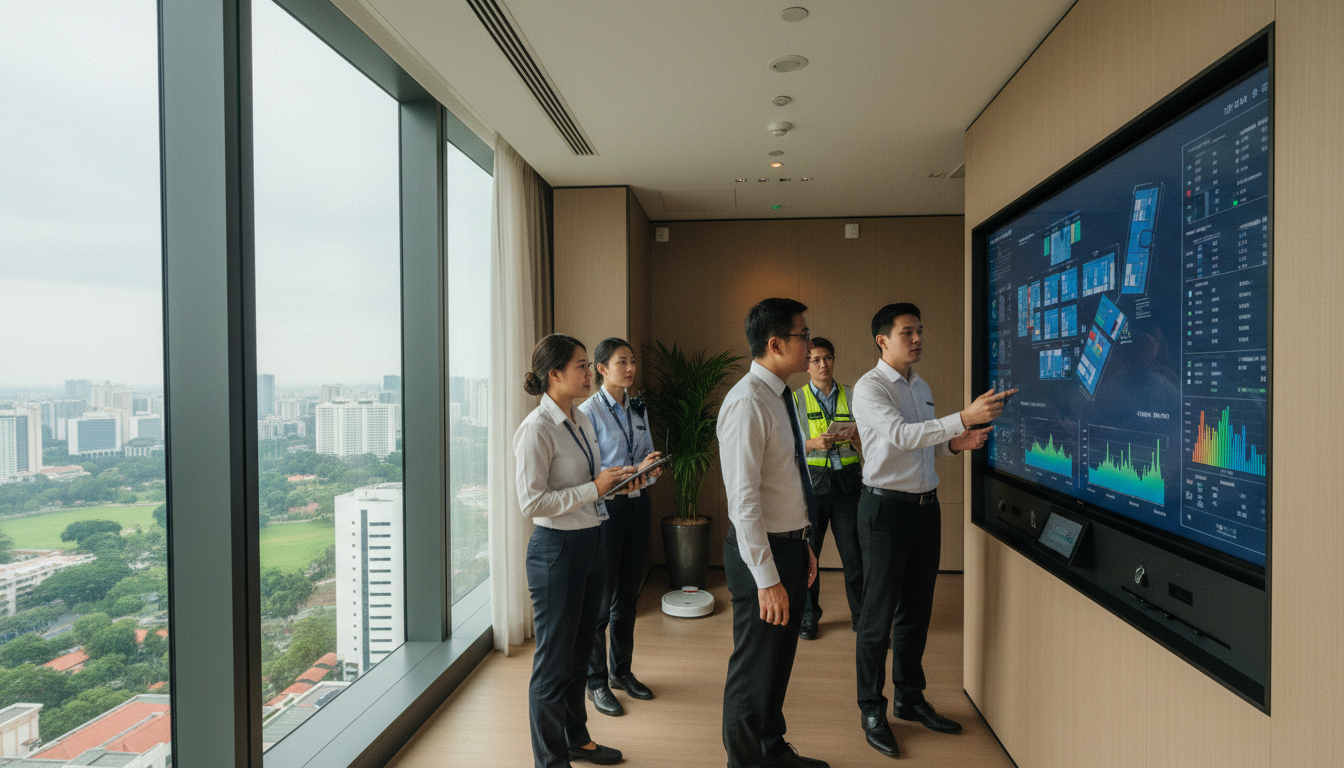
Nomadix EMS, described by Hotel Management on Mon, 10 Aug 2026, purports to reduce hotel energy costs through smart, occupancy-based room controls. This system automatically adjusts HVAC settings in vacant rooms, supporting sustainability goals and profitability. Such technology presents a clear fiscal incentive for hotels, aligning with broader efforts to curb electricity consumption in commercial settings.
The premise is straightforward: an empty room requires less energy. The system's ability to adjust HVAC based on occupancy offers a quantifiable path to lower operational expenses. This echoes discussions around broader energy efficiency, including advice on cutting electric bills without sacrificing comfort, as noted by Forbes in 2025. The core mechanism is a response to present demand, rather than a fixed operational standard. This approach to environmental control is gaining traction, with references to boosting energy efficiency in air conditioning units appearing in sources like ABC News & Headlines in 2023.
However, the functional integration of such systems into existing hotel design, particularly across the diverse hospitality landscape of the Asia-Pacific, is critical. The system is designed for ‘centralized cloud management’, a feature that implies a degree of pre-existing digital infrastructure and potential for remote oversight. Its effectiveness hinges on seamless operation that guest interaction does not disrupt. A key challenge lies in ensuring that guests perceive the system as enhancing their comfort, rather than imposing limitations. If a guest returns to a noticeably warm room, the perception of 'comfort' may be compromised, negating the system's intended benefit.
The real test of this technology will be its ability to maintain a 'net energy positive' environment, a concept explored by Livemint in 2023 for office spaces, but equally relevant to hospitality. This involves not only reducing waste but also ensuring that the energy expended provides commensurate value in terms of user experience. The World Bank Group in 2026 highlighted the necessity of protecting jobs and growth from extreme heat in South Asia's cities, underscoring the vital role of effective climate control. In regions facing increasing heat stress, the expectation for immediate comfort upon room entry can be high. A delay in reaching optimal temperature, even if brief, could lead to dissatisfaction, outweighing any perceived energy savings.
The reported benefits of Nomadix EMS, specifically its impact on 'profitability' and 'sustainability goals,' are considerable from a business perspective. Yet, for this technology to genuinely work for people in this climate, it must operate subtly and preemptively. The success of occupancy-based controls rests on an implicit contract with the guest: that efficiency will not impinge on personal comfort. A system that cools or heats a room just moments before a guest's return would be perceived as smart; one that requires a guest to wait would not. The potential for cost reduction is clear, but the impact on the guest experience, particularly in the demanding climate of the Asia-Pacific, remains the determinant of its success.
Sources
Newsletter
Pacific Daily
A curated briefing from Thailand, Asia-Pacific and the world.