The Prescriptive Burden of the Dinner Table
Technical orthodoxy around culinary staples exposes the friction between domestic entertaining advice and kitchen reality.
SINGAPORE
Domestic hospitality aims to put guests at ease, yet lifestyle counsel increasingly approaches the home kitchen as a site of reputational vulnerability. Syndicated dining advice datelined NEW YORK and carried by The Straits Times Life illustrates this shift with precision. The publication outlines four common mashed potato mistakes ahead of dinner party entertaining, asserting that an ethereally light texture requires home cooks to choose russet potatoes specifically. What presents itself as practical instruction operates, upon closer examination, as an anxious codification of dinner table competence.
The premise advanced in the text is straightforward. Mashed potatoes serve as an accommodating supporting actor at the dinner table, designed to make adjacent dishes taste better whether dotted with butter, drizzled with gravy, or deployed as a soft bed for stew. Yet the material immediately couples this comfort with caution, warning that the preparation is deceptively easy to get wrong. This pairing of domestic warmth with mechanical peril exposes an underlying tension in culinary media. Everyday sustenance is transformed into a test of vigilance, where four procedural missteps purportedly threaten the success of an evening gathering.
The mechanics of domestic technique
Prescriptive food writing consistently assumes that ingredient categories and culinary ideals travel without friction. By presenting russet potatoes as the mandatory vehicle for the fluffiest, most classic mash, the guidance elevates a single physical quality—dry, starchy aeration—into an unquestioned universal baseline. The argument implies that entertaining guests requires absolute adherence to this specific texture, ignoring how local markets and cross-border kitchen practices routinely substitute starch varieties based on regional availability.
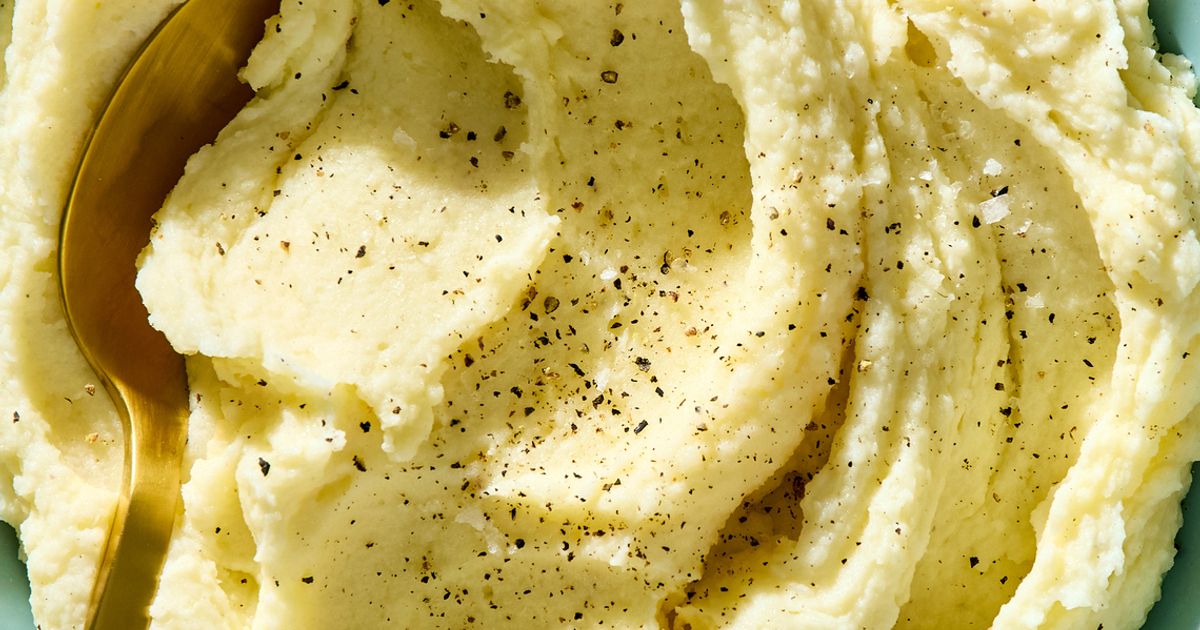
A fluffy mound of mashed potatoes may be a supporting actor at the dinner table, but it is a beloved one.
Codifying home cooking into strict categories of correct execution alters the social contract of the table. When boiling and crushing a root vegetable is framed around the avoidance of predetermined failure, kitchen work shifts from intuitive hospitality toward technical compliance. The host is encouraged to view dinner preparation not through generous accommodation, but through a defensive checklist designed to preempt perceived social judgment.
Technique versus table reality
There is, undeniably, practical merit in understanding physical starch behaviour. The Straits Times Life correctly recognises that cooking and mashing with care governs whether a carbohydrate holds butter or dissolves into an unyielding paste. For an uncertain cook facing an impending gathering, an explanatory rulebook provides legitimate reassurance, demystifying physical variables that might otherwise lead to a compromised meal. Precision is not inherently oppressive; at its best, disciplined guidance offers a repeatable route to culinary competence.
That technical clarity, however, carries an unacknowledged cost when elevated into an entertaining dogma. When domestic counsel insists on specific tubers to produce an ethereally light standard, it prioritises textbook conformity over adaptability. A side dish intended to serve as a humble foundation risks imposing performative pressure on the cook, establishing standards of failure that guests themselves would rarely register.
Between the comforting promise of a soft bed for stew and the anxiety of four catalogued errors, the modern dining table remains caught in an unresolved impasse. Kitchen instruction promises control through compliance, yet hospitality depends on ease. The insistence on mechanical perfection cannot easily reconcile with an occasion whose purpose is communal connection rather than culinary audit.
Sources
Newsletter
Pacific Daily
A curated briefing from Thailand, Asia-Pacific and the world.