The Flawed Accounting Behind State Wolf Culls
Treating predator recovery as an inventory ceiling fractures pack governance and intensifies administrative conflict
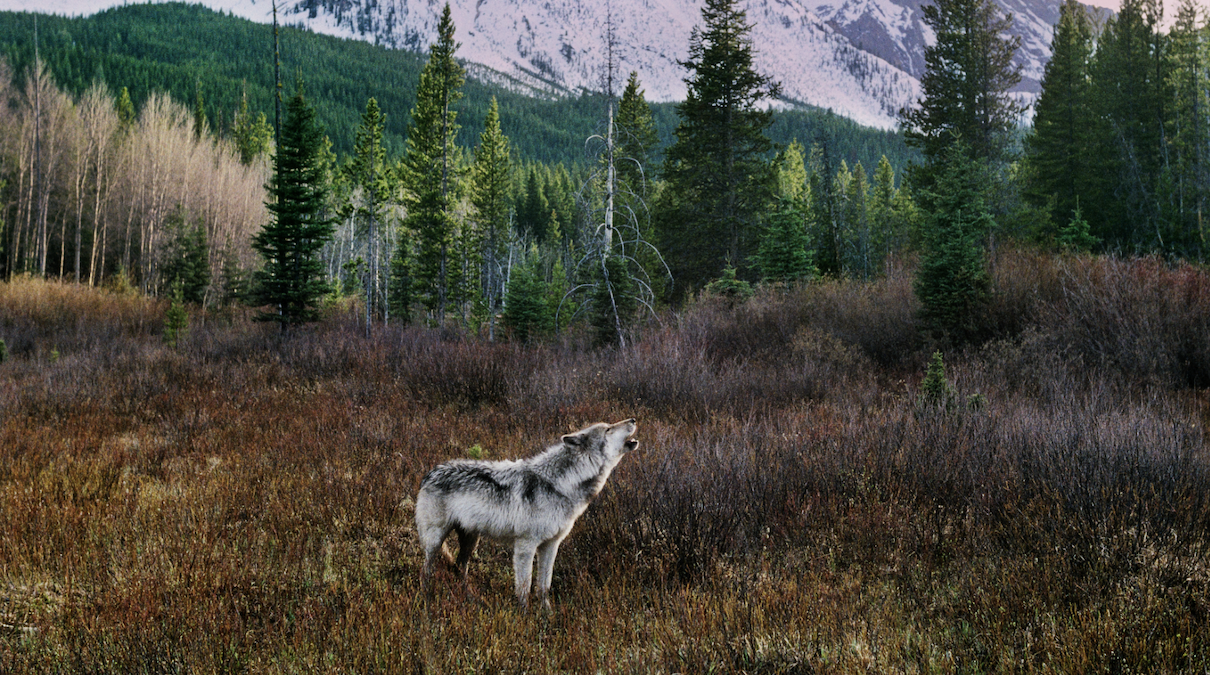
State policy across the American West broke from conservation recovery goals in 2021. Legislatures authorized aggressive culling of recently restored gray wolf populations. This shift altered statutory authority over apex predators. By transferring functional control from federal protections to regional wildlife agencies, lawmakers turned a conservation milestone into an extraction target. The mechanism relies on an arbitrary numerical ceiling: once Canis lupus reaches a baseline count, any population above that mark is classified as cullable surplus. That ledger logic treats biological communities as interchangeable units.
Centuries of folklore laid the groundwork for this administrative model. Cultural narratives long depicted wolves as vicious, bloodthirsty threats of nightmares and fairy tales. That reputation hardened into regional policy, framing the animal as an adversary to agrarian security. Yet documented field evidence contradicts the folklore. Field observations conducted over six years in the 1990s on the edge of Idaho’s Sawtooth Wilderness established that gray wolves operate as highly coordinated social units. Field researchers recorded pack members raising pups collectively, caring for injured adults, and mourning pack deaths, such as losses inflicted when a mountain lion killed a member. These are functional social systems. Cohesion dictates hunting discipline and territorial boundary defense.
The Breakdown of Pack Governance
Removing individuals from these packs destabilizes internal hierarchy. The analytical inference drawn by ecologists is direct: culls do not simply reduce headcounts; they fracture governance. When targeted culling removes breeding adults or older hunters, the surviving juvenile wolves lack the coordination required to hunt wild ungulates. Displaced from coordinated pack foraging, disrupted packs turn toward accessible livestock.
Indiscriminate culling dissolves pack social structures, triggering the very agricultural conflicts state agencies seek to prevent.
Rural agricultural producers defend population reduction on direct operational grounds. Pastoralists bear immediate livestock losses from wolf predation, and their margin of economic tolerance is narrow. Elected state officials argue with equal force that local administrative bodies, not distant federal authorities, should control wildlife within their borders. These economic and jurisdictional claims are real. Rural constituencies carry the day-to-day friction of living beside large carnivores, and conservation policy that ignores producer viability collapses politically.
Jurisdictional Transfers and Conservation Failure
Administrative culls fail precisely because they ignore social biology. If the objective is protecting domestic herds, dispersing intact wolf packs through lethal quotas accomplishes the opposite. State wildlife programs in the American West operate on short-term political mandates rather than ecological stability. Decades of federal investment restored Canis lupus to parts of its historical range. Devolving management to regional jurisdictions that immediately institute broad culls resets the conflict cycle.
Similar regulatory fractures occur across the Pacific Rim wherever expanding agrarian borders intersect wilderness corridors. Environmental agencies repeatedly make the mistake of measuring recovery by aggregate numbers alone. A population metric cannot reveal whether pack structure, intergenerational knowledge, or territory controls remain intact. State culls convert complex carnivore ecology into a crude headcount calculation. The unresolved constraint is institutional: until state administrative rules define wildlife recovery by demographic structure rather than gross harvest quotas, local management will continue to produce the very conflicts it claims to solve.
Sources
Newsletter
Pacific Daily
A curated briefing from Thailand, Asia-Pacific and the world.