The Art of Absence: Canada's Spa Eastman and the Shifting Demands of 'Wellness'
A Canadian retreat offers a glimpse into a growing consumer desire for digital detachment, a trend with implications for Asia-Pacific's burgeoning wellness sector.
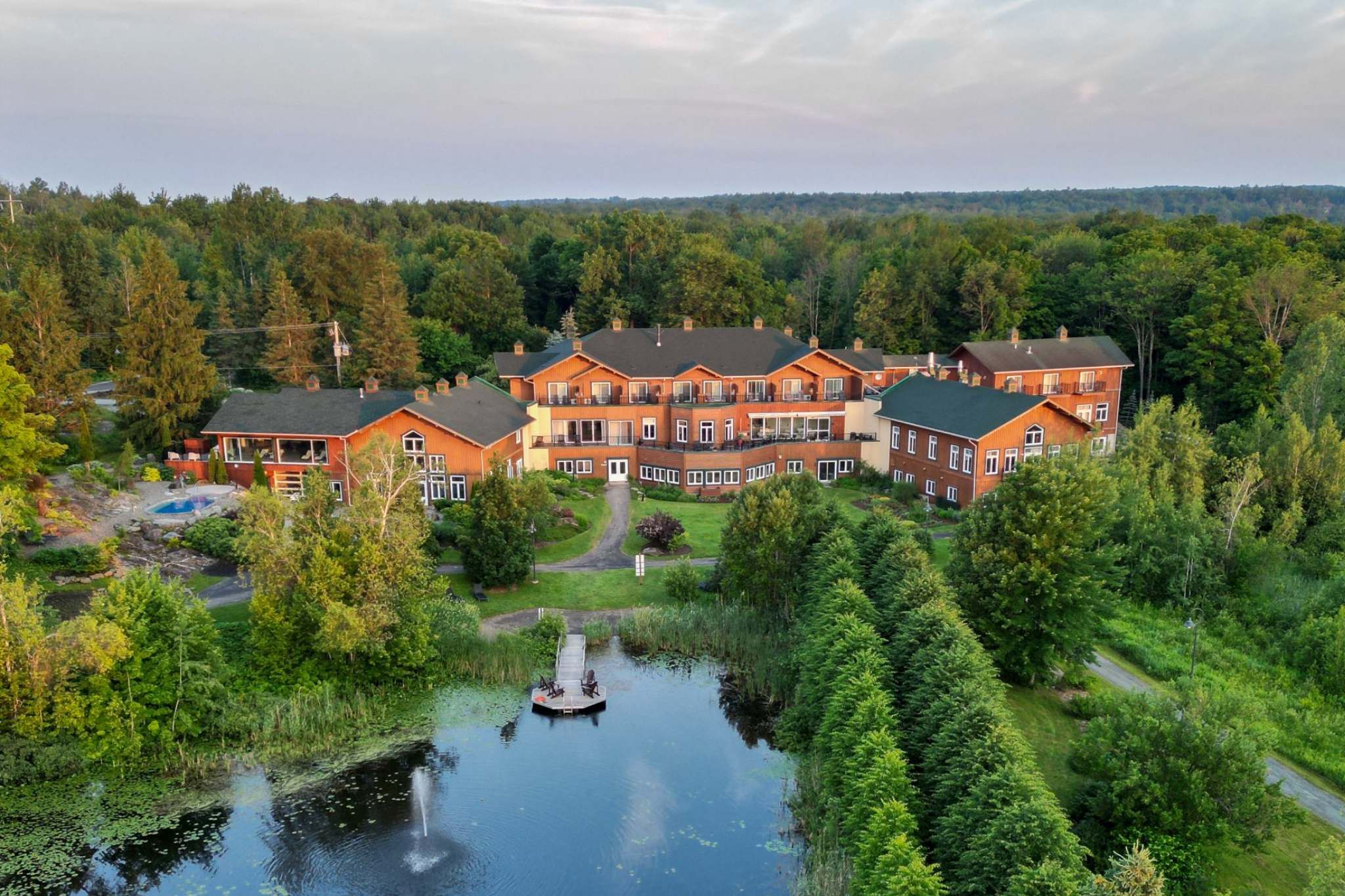
The designation of Spa Eastman as Canada’s Best Wellness Retreat, for the second consecutive year by the World Spa Awards, underscores a specific interpretation of well-being that is gaining traction. The Quebec-based operation, situated an hour from Montreal, emphasizes a natural environment and the disengagement from digital devices. Its success, as reported by Daily Hive Vancouver on September 22, 2026, rests on offering an experience defined by what is absent: screen time and urban noise. This approach, centered on intentional removal, suggests a refining of what consumers perceive as essential to 'wellness'.
While Canada, grappling with geopolitical shifts and resource export strategies as noted by the Lowy Institute and Reuters in late 2026, might seem geographically distant from Asia, the underlying consumer behavior illuminated by Spa Eastman's recognition holds relevance. The Asia-Pacific region is a major player in the global wellness market, with numerous destinations positioning themselves around health, tranquility, and natural beauty. However, many of these offerings, particularly in the competitive luxury segment, often lean into elaborate facilities, intricate treatments, and technologically augmented experiences. Spa Eastman’s sustained recognition points to a potential counter-current: a demand for simplicity, for the deliberate absence of modern distractions, rather than their sophisticated inclusion.
This is not to say that advanced therapies or luxurious amenities are obsolete. Indeed, market statistics often show continued growth in segments that integrate cutting-edge technology or exotic ingredients. However, the Spa Eastman model suggests that true differentiation, and sustained appeal, might increasingly lie in the *technique of subtraction*. The cost to sustain such an approach involves rigorous curation of the guest experience, ensuring that the absence of external stimuli is perceived as an enhancement, not a deprivation. This requires staff training that focuses on facilitating quietude and introspection, and a physical environment that naturally encourages a slower pace without feeling ascetic.
The challenge for Asia-Pacific operators, then, is to assess whether their current offerings adequately address this appetite for digital detoxification and profound quietude. Many regional retreats, while undoubtedly beautiful, rely heavily on their capacity for lavish indulgence. Re-evaluating this reliance might become crucial. For instance, creating spaces that genuinely enforce digital silence, rather than merely suggesting it, or designing programs that guide guests through periods of unmediated natural engagement, could prove a more compelling draw than another high-tech massage or a new 'superfood' menu. The risk, of course, is that a focus on enforced simplicity could be perceived as less value for money by a segment of the market accustomed to visible luxury. Balancing this perception while cultivating an atmosphere of intentional detachment requires a nuanced understanding of consumer psychology.
The success of Spa Eastman points to a broader trend: as daily life becomes more intertwined with technology, the premium placed on genuine disconnection will likely grow. The question for the Asia-Pacific's wellness industry is not merely how to add more services, but how effectively to facilitate the profound and restorative experience of having less.
Sources
Newsletter
Pacific Daily
A curated briefing from Thailand, Asia-Pacific and the world.