Taiwan's energy transition faces a familiar challenge: corruption
The investigation into a Changhua council speaker suggests that illicit practices continue to complicate policy execution, despite the island's economic advancements.
SINGAPORE
Taiwan’s ambitions for energy independence and economic diversification contend with persistent domestic challenges. The detention of the Kuomintang Changhua County council speaker, investigated in September 2026 over alleged vote-buying, provides a localized example of how entrenched practices can intersect with national objectives. This event follows broader patterns of scrutiny over integrity within public and political spheres on the island.
While Taiwan has cultivated a vibrant technology sector, attracting significant investment, including Google's reported contribution of over 64,000 jobs through undersea cables by September 2023, the integrity of its political processes remains under examination. Prosecutors detained seven individuals in August 2024 on suspicion of energy corruption, indicating that the sector, critical for Taiwan's future, faces challenges beyond technical implementation. This is not isolated; four individuals were indicted in November 2024 for alleged signature-buying linked to Terry Gou, underscoring a recurring theme of illicit influence in political activity.
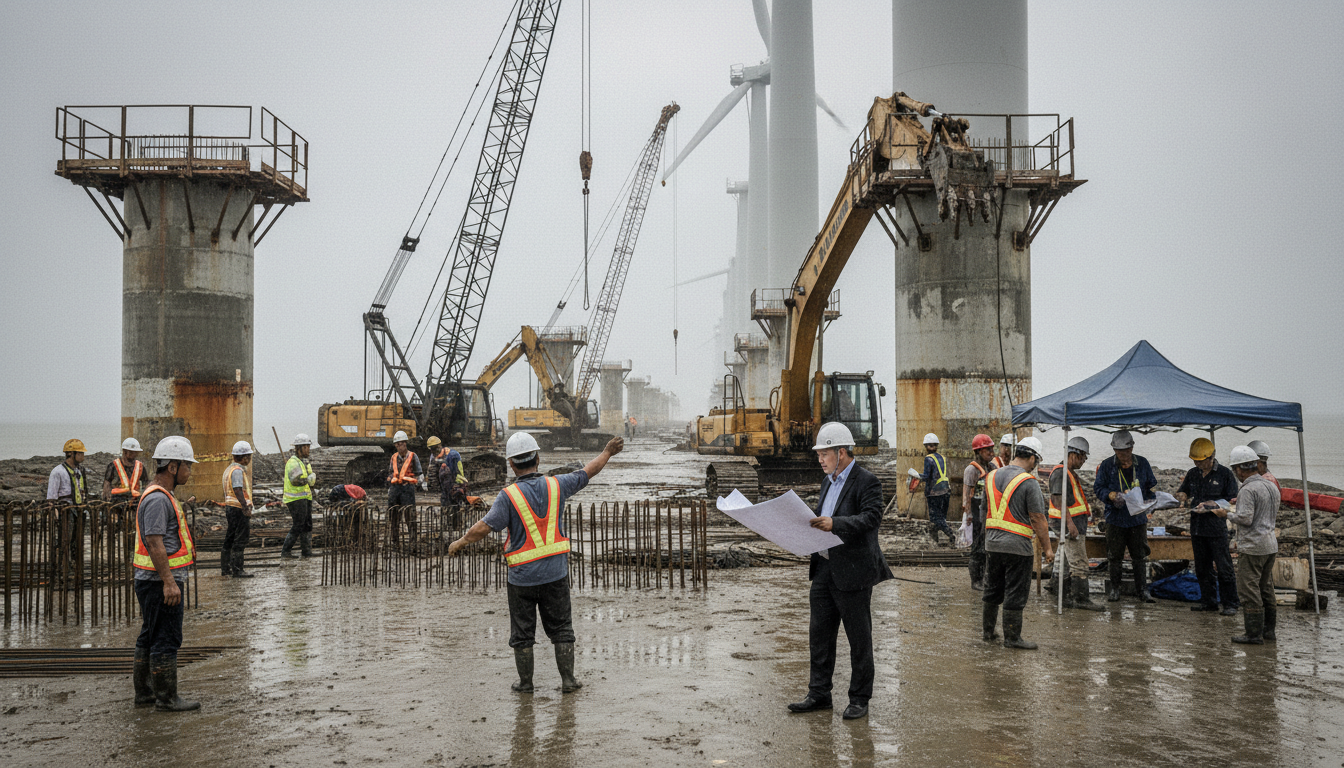
The drive for green energy, exemplified by the first power delivery from new offshore wind farms in July 2025 and agreements like the one between Orsted and Cathay signed in December 2024, represents a strategic shift towards energy self-sufficiency. Such initiatives are intended to strengthen Taiwan’s position in a globally competitive environment. However, the integrity issues, particularly those touching local governance and resource allocation, create friction.
The persistent allegations of corruption, from vote-buying at the local level to broader energy-related probes, risk undermining the credibility of these strategic projects. While Taiwan demonstrates robust economic and technological engagement, the repeated appearance of such investigations suggests that reforms targeting transparency and accountability are yet to fully mature across all levels of government. The tension between rapid development and the eradication of illicit practices remains a critical unresolved constraint for Taiwan, potentially affecting international perception and investment stability within its key strategic sectors.
Sources
Newsletter
Pacific Daily
A curated briefing from Thailand, Asia-Pacific and the world.