Suburban Real Estate and the Mechanics of Single-Item Retail
Moving from tourist footfall to shopping centre leases forces regional food operators to overhaul unit economics.
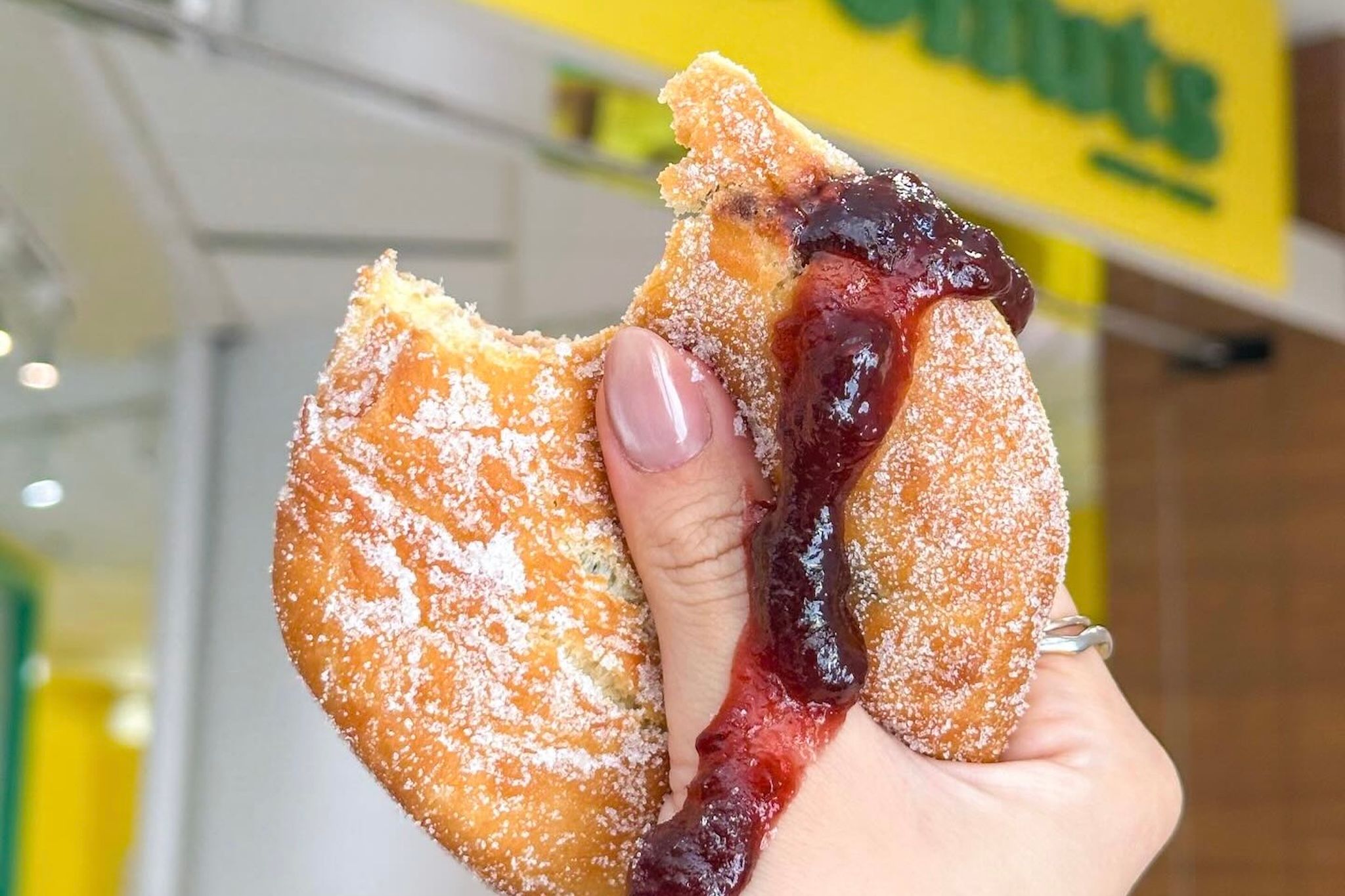
Every single-item food business hits the same physical ceiling once its primary kitchen operates at terminal capacity. Growth cannot occur by simply frying more dough within an established urban footprint. To extract additional revenue, capital must either dilute operating margins or disperse physical storefronts outward into suburban commuter belts. The commercial push by Vancouver-based Lee’s Donuts into Surrey charts that precise structural pivot.
Corporate signals arrived clearly. A soft opening scheduled for Oct. 31 at Guildford Town Centre incorporates a new espresso beverage program alongside core fried inventory. Celine Bacani, CEO of Lee’s Donuts, framed the opening as an operational milestone within British Columbia. Yet behind executive commentary sits an unyielding commercial incentive: mall real estate penalises mono-product retail unless operators systematically engineer higher register receipts.
Margin Architecture and Peripheral Real Estate
Destination bakeries live on captive pedestrian density. On Granville Island, where Lee’s Donuts anchored its original footprint, continuous foot traffic absorbs production overheads naturally. Visitors absorb queuing delays as leisure. High baseline volume covers static utility and ingredient outlays without requiring secondary product categories.
Suburban shopping centres operate under fundamentally different lease mechanics.
Commercial landlords at properties like Guildford Town Centre or Willowbrook Shopping Centre in Langley price floor area against projected commuter cycles. Foot traffic clusters sharply around morning and evening transit windows. For a tenant relying entirely on baked goods, midday lulls threaten square-footage returns. Introducing an espresso beverage program is therefore not a cosmetic menu extension. Liquid beverage extraction generates high gross margins from relatively low labour times, establishing the cash buffer required to meet non-negotiable mall lease commitments.
Guildford represents an exciting next chapter for Lee’s Donuts as we continue to grow throughout British Columbia.
Franchise-style delegation provides the second structural lever. Bacani specifically credited local operators Monique and Rus Carlos with directing the Surrey site. Contracting day-to-day staffing out to peripheral partners shifts supervisory drag and local scheduling volatility directly onto store-level managers. This structure lets the central corporate entity scale across Metro Vancouver while avoiding the overhead of direct operational monitoring.
The Breakdown Point of Dispersed Production
There is, admittedly, an opposing thesis. Retail defenders argue that disciplined geographical dispersion monetises established regional brand equity without proportionate overhead spikes. Because suburban commuters already recognise the brand from leisure trips to central Vancouver, peripheral sites theoretically inherit immediate demand. Opening closer to where employees reside removes cross-city travel frictions for the consumer and establishes guaranteed baseline sales from day one.
That hypothesis assumes brand equity functions identically across mismatched physical environments.
Destination counters benefit from unhurried discretionary leisure budgets. An enclosed commercial mall strips that insulation away. In a suburban corridor, the operation competes immediately against industrialised quick-service chains geared for rapid order fulfillment. Beverage programs introduce new operational liabilities, including milk handling, liquid inventory wastage, and machine servicing, which pull frontline staff away from core bakery output.
If local operators like Monique and Rus struggle to balance espresso wait times against counter queues, customer throughput drops instantly. Scale achieved through rapid physical dispersion rarely preserves unit efficiency automatically. Whether navigating commercial real estate across Metro Vancouver or mapping longer-term international horizons reaching the United Kingdom, peripheral expansion succeeds only if daily repeat consumption replaces destination novelty before lease costs catch up.
Sources
Newsletter
Pacific Daily
A curated briefing from Thailand, Asia-Pacific and the world.