South Korean police scandals: an incentive test for Lee's justice reforms
Persistent misconduct reports from Nikkei Asia indicate underlying structural challenges, signaling potential ripple effects beyond Seoul.
SINGAPORE
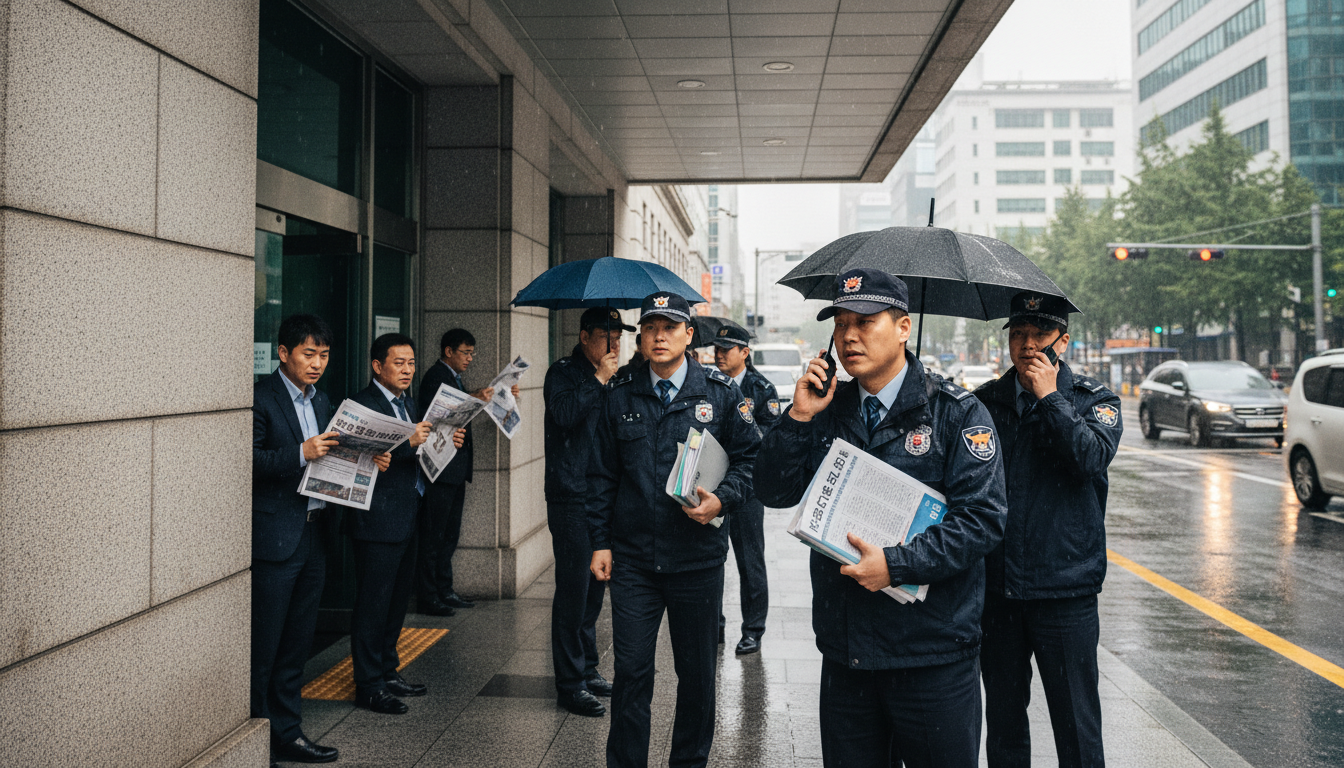
Nikkei Asia's reporting on South Korean police scandals casts a light on the efficacy of President Lee’s stated justice reforms. The repeated emergence of misconduct suggests that the incentive structures intended to reshape law enforcement may not be producing their desired effects. While the immediate focus of these reports centers on South Korea, the persistence of such issues presents a critical test for the broader region, including Thailand, where institutional reform efforts are similarly complex.
Lee’s administration has positioned these reforms as a means to enhance accountability and public trust. However, if scandals continue to surface, it indicates a disconnect between policy intent and practical outcome. The question arises whether the reforms adequately address entrenched interests or if they merely introduce new mechanisms without altering fundamental behavioral drivers. For instance, if internal oversight remains weak, or if incentives for whistleblowing are insufficient, the public might perceive the reforms as cosmetic rather than substantive. This signal — continued scandal despite reform — suggests that the underlying incentives for compliant behavior may not have shifted definitively.
Regional Implications
For countries like Thailand, which also grapple with public sector reform and the integrity of law enforcement, South Korea’s experience offers a cautionary tale. The core challenge in both contexts involves the design of incentives that promote transparency and deter corruption within large, established institutions. If reform efforts do not fundamentally realign personal and organizational rewards with ethical conduct, the cycle of misconduct is likely to persist. In South Korea, the reports indicate that despite Lee's efforts, the desired signal of increased public trust has yet to materialize fully. This implies that the 'winners' in the reform process—those who benefit from greater accountability—may still be outnumbered by those who benefit from the status quo.
The outlook remains uncertain. A defensible conclusion is that the effectiveness of Lee's justice reforms hinges on their capacity to alter deeply rooted incentives within the police force. If the scandals reported by Nikkei Asia persist, it is an indication that the reforms have not yet reached a critical mass where they can sustainably disrupt existing patterns of behavior. The constraint that remains unresolved is the fundamental reorientation of institutional incentives to align with declared reform objectives, a challenge that extends beyond South Korea's borders and offers lessons for similar efforts across the Asia-Pacific region.
Sources
Newsletter
Pacific Daily
A curated briefing from Thailand, Asia-Pacific and the world.