Singaporean Flavours in Mexico City Signal Shifting Culinary Exchange
The establishment of Makan by Maryann Yong and Mario Malvaez reveals how culinary identity adapts and reshapes far from its origins, challenging traditional notions of authenticity in a globalized food landscape.
SINGAPORE
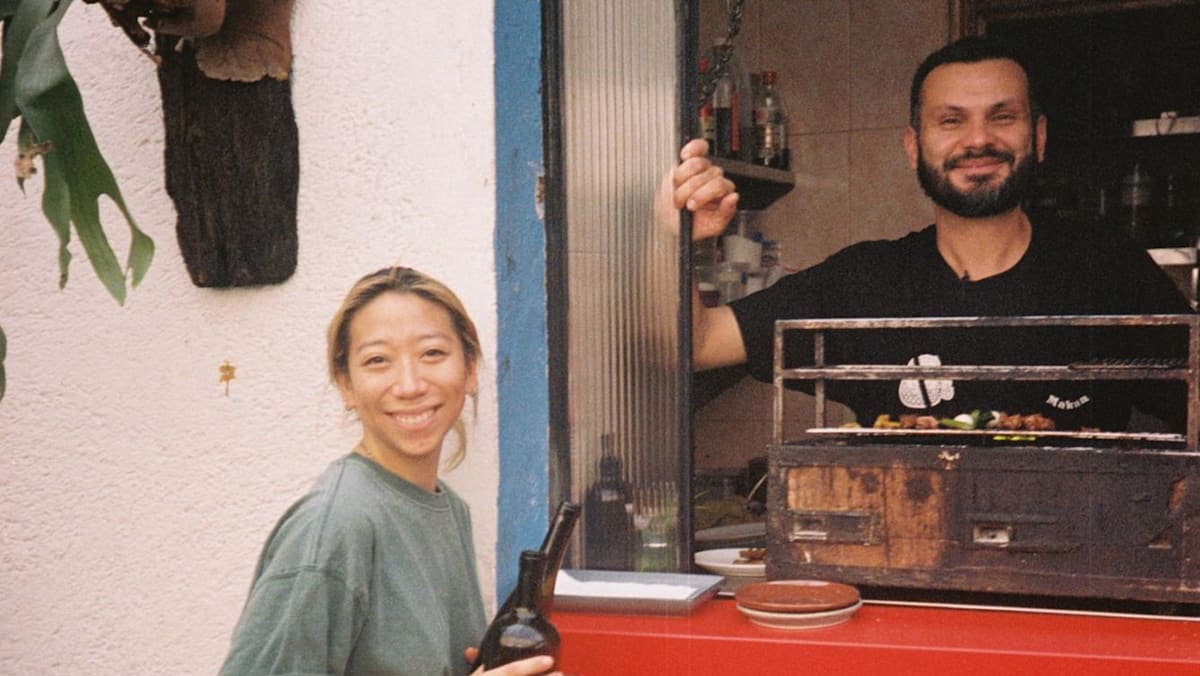
In Mexico City, a new Singaporean restaurant named Makan operates, founded by Maryann Yong and her Mexican husband, Mario Malvaez. This venture offers a specific observation about the nature of cultural exchange, particularly in food. Singaporean cuisine, known for its distinctive blend of Malay, Chinese, and Indian influences, now finds a dedicated space in Latin America, a region not typically associated with Southeast Asian flavours.
Traditionally, a nation's cuisine often follows its diaspora or established trade routes. Thai restaurants, for example, proliferated globally where Thai communities settled or where diplomatic and economic ties grew. Makan’s presence in Mexico City appears distinct from such patterns. Maryann Yong, a Singaporean chef, moved to Mexico for personal reasons. Her decision to open Makan reflects a personal journey, not a collective cultural export initiative or a larger migration wave.
This individual approach suggests a shift in how food cultures expand. Instead of state-backed initiatives or large-scale migration driving culinary diffusion, personal stories and cross-cultural relationships increasingly take the lead. The restaurant's focus on "what Singaporean food can become far from home" hints at an evolution rather than strict replication. This challenges the conventional idea that authenticity demands proximity to the origin point or rigid adherence to historical preparation methods. It proposes, instead, that culinary identity can be dynamic, shaped by new environments and ingredients, even in distant locales like Mexico City.
The challenge for Makan, and for the evolving definition of national cuisines abroad, lies in balancing tradition with adaptation. While the restaurant builds "around the flavours of Singapore," it also invites a reconsideration of what it means to represent "home." Such ventures might face scrutiny from purists who argue that true Singaporean food must exist within Singapore's specific climatic conditions or with its indigenous ingredient supply chains. Yet, the story of Makan suggests that identity, both personal and culinary, can be fluid, reimagining itself when removed from its original context. The establishment serves not as an outpost of Singapore, but as a site where Singaporean culinary ideas encounter a new palate, potentially creating something new.
This phenomenon, where cuisine travels through individual initiative rather than collective movement, could be seen elsewhere across the Asia-Pacific as individuals move, marry, and establish new lives. A single restaurant like Makan holds limited direct commercial implications for the broader culinary scene in Thailand or the Asia-Pacific. Its significance instead lies in presenting a micro-level case study of cultural negotiation, demonstrating how foodways are not static, but rather, living expressions that continue to be reinterpreted and redefined. The act of cooking and sharing these flavours in a new place changes their meaning for both the chef and the diner, illustrating how home itself becomes a portable concept.
Sources
Newsletter
Pacific Daily
A curated briefing from Thailand, Asia-Pacific and the world.