Seoul Repurposes Wellness Space as Animal Welfare Channel
A monthly initiative on Nodeul Island tests whether commercial leisure can offset structural shelter pressures
SEOUL
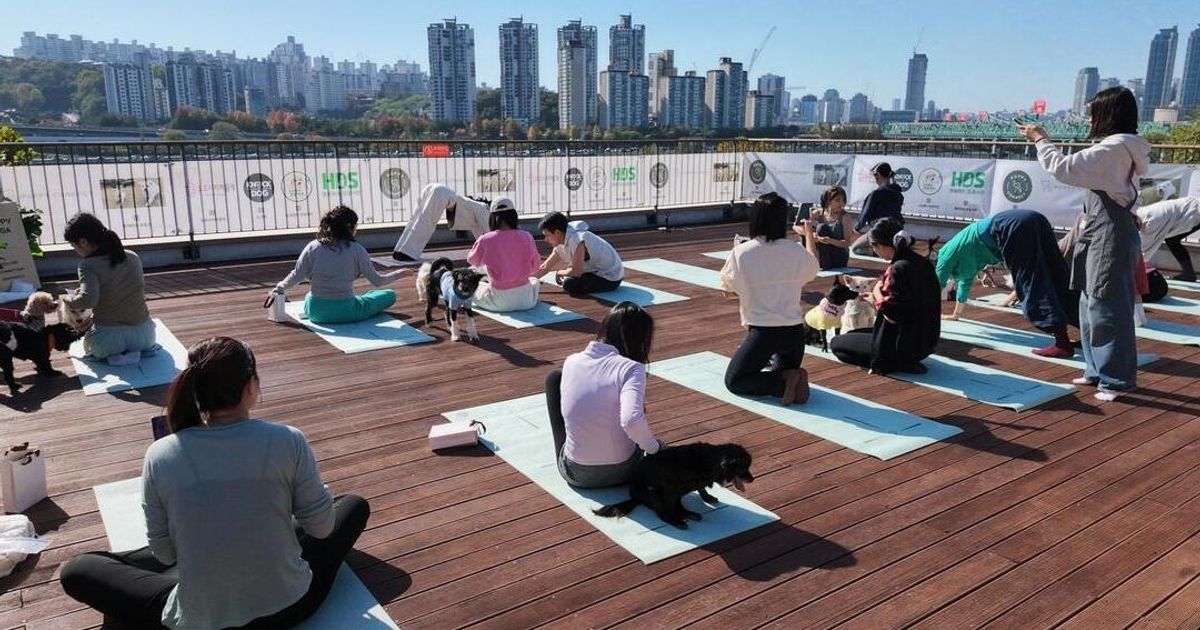
Municipal animal welfare operates through a persistent distribution failure. Shelters maintain an inventory of rescue animals on suburban perimeters, yet prospective adopters concentrate inside dense urban cores. This spatial divide depresses adoption velocity because reaching fringe facilities requires deliberate, non-routine transit. In South Korea, an operational experiment on Nodeul Island in Seoul counters that friction by embedding animal rehoming directly into paid recreational routines.
According to coverage by The Straits Times Life, the Puppy Yoga initiative has operated once a month since launching in May. Rows of yoga mats are laid out for attendees, though structured physical routines predictably collapse once rescue puppies move across the floor. By co-locating adoptable animals with paid personal fitness, the programme alters the underlying transactional mechanics of shelter outreach. Adoption marketing shifts away from passive online browsing toward active physical engagement.
Realigning Consumer Incentives
Traditional rescue facilities bear structural cost disadvantages. High land values and municipal zoning push holding pens outward, which suppresses organic foot traffic and inflates marketing acquisition costs. The Nodeul Island arrangement demonstrates how organizers can bypass that barrier by borrowing existing consumer footfall.
Targeting urban professionals seeking stress reduction aligns animal welfare with established lifestyle spending. Participants do not commute to inspect an institutional shelter; rather, the shelter assets travel into a prime municipal leisure venue. Evidence from the sessions suggests that participants readily accept the operational disruption.
“I’m used to doing yoga on my own,” the instructor joked midway through the class.
That dynamic exposes the core economic logic at work. Attendees arrive purchasing private wellness services, but their presence simultaneously subsidizes socialisation and exposure for animals requiring homes. Instead of soliciting charitable donations through moral appeals, the organizers convert discretionary leisure budgets into a functional distribution network.
Limits of Event-Based Rehoming
Novelty-driven distribution nonetheless exhibits clear operational ceilings. Running an event once a month creates sporadic visibility rather than sustained, predictable absorption capacity. Furthermore, the format introduces significant selection bias. Healthy, gregarious puppies adapt readily to crowded exercise mats, whereas older animals, traumatized rescues or dogs with complex medical profiles cannot safely participate in public workouts. Consequently, commercial wellness platforms capture attention for the most liquid segment of shelter inventory while leaving structural backlog untouched.
Public agencies elsewhere across the Asia-Pacific face comparable shelter bottlenecks, from aging animal populations to constrained municipal budgets. Integrating rescue animals into urban wellness schedules proves that consumer footfall can be repurposed effectively without heavy public capital expenditure. Yet whether this format develops into a durable civic solution depends entirely on whether municipal authorities treat such activations as scalable intake pipelines or leave them as isolated weekend spectacles.
Sources
Newsletter
Pacific Daily
A curated briefing from Thailand, Asia-Pacific and the world.