Sara Duterte's Strategic Silence Signals Adaptation Amid Impeachment Process
The Philippine Vice President's invocation of the 'sub judice' rule marks a departure from direct challenge, indicating a shift towards a legally disciplined posture in her ongoing impeachment trial.
SINGAPORE
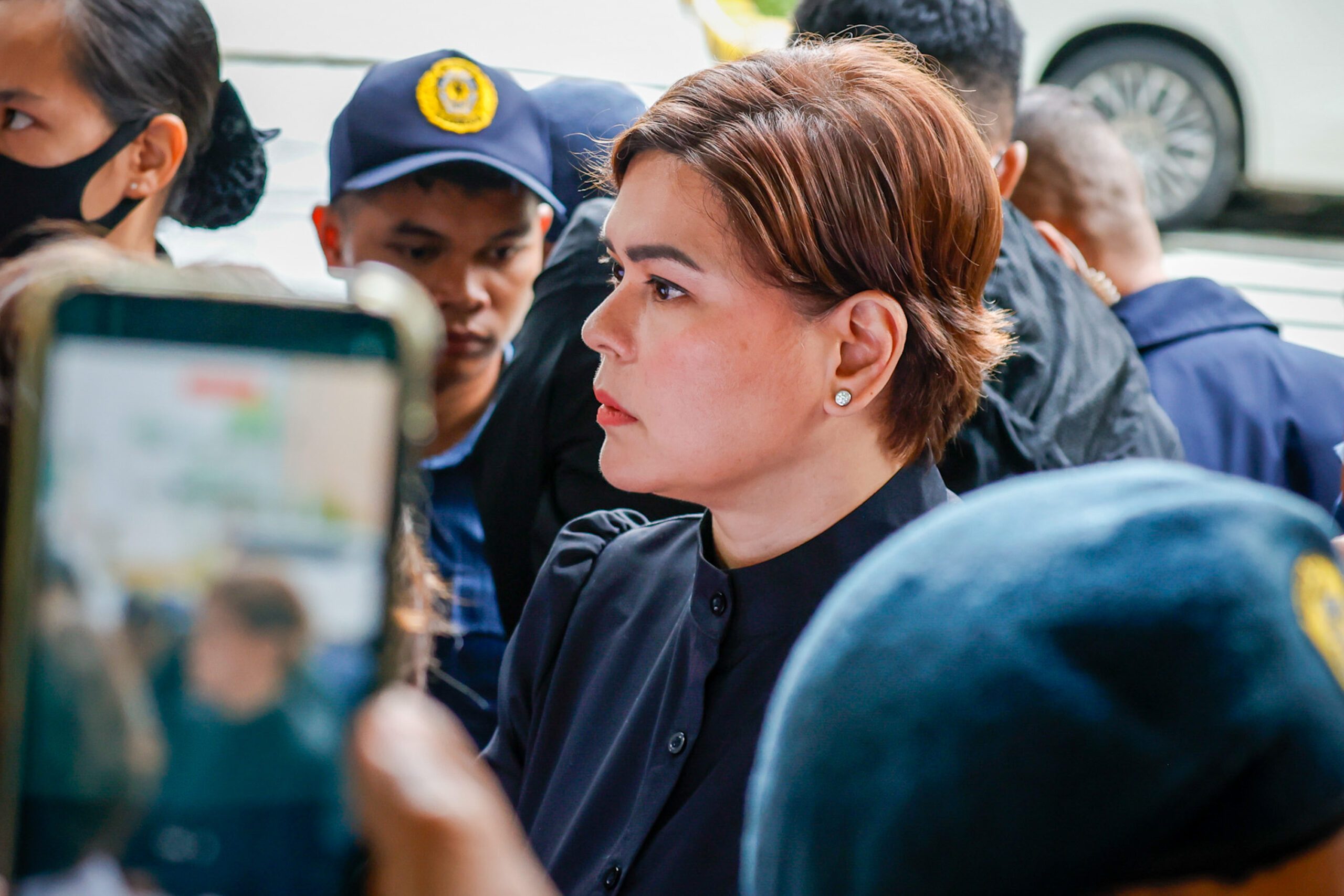
Philippine Vice President Sara Duterte's recent adoption of the 'sub judice' rule, a legal principle restricting public discussion of ongoing cases, represents a shift in her engagement with the impeachment process. On September 21, 2026, the Vice President cited the potential for contempt, stating, "Mako-contempt ako, sir, eh kapag sumagot ako sa impeachment" (I will be cited in contempt if I answer questions related to impeachment). This statement indicates a conscious adherence to procedural constraints as her Senate impeachment trial proceeds.
This marks a departure from earlier actions. On July 6, 2026, Sara Duterte did not attend the first day of her impeachment trial. Prior to this, her allied lawyers questioned the election of the impeachment presiding officer. The shift to a legally framed silence on September 21, 2026, suggests an adaptation to the procedural demands of the impeachment process, rather than a retreat from the underlying political pressures. Her appearance at the Quezon City Regional Trial Court on September 5, 2026, accompanied by legal counsel for a separate grave threats case, further demonstrates engagement with legal frameworks, even as she declines public comment on the impeachment itself.
While her current stance is defensible under the 'sub judice' principle, it effectively limits public discourse regarding the allegations against her. The Vice President’s decision to remain silent does not inherently validate or refute the claims. Instead, it channels her response through a mechanism that is less transparent to the public and more controlled by legal procedure. The public's understanding of the case will therefore rely more heavily on the unfolding impeachment proceedings than on direct statements from the Vice President. This approach is not uncommon in high-profile legal cases across the Asia-Pacific, where procedural compliance often takes precedence over immediate public disclosure.
For observers in the region, this development means that the primary forum for assessing the merits of the impeachment against Sara Duterte remains the Senate trial itself. Her strategic silence, while designed to avoid potential contempt charges, simultaneously limits opportunities for her to engage directly with public concerns or offer immediate rebuttals. The ultimate outcome of the impeachment process will depend on the evidence presented and challenged within the Senate, making the judicial process the primary determinant of the political consequences.
Sources
Newsletter
Pacific Daily
A curated briefing from Thailand, Asia-Pacific and the world.