Red Sea Diplomacy Signals Shifting Incentives for Asia-Pacific Shipping
US engagement with Houthis in Oman reflects a strategic adjustment to regional instability, with direct implications for maritime trade routes vital to Southeast Asia.
SINGAPORE
US officials met with Iran-backed Houthis in Oman over the weekend, according to sources. A US State Department spokesperson stated that safeguarding freedom of navigation in the Red Sea and preventing the export of terrorism from the Middle East are core US interests. This direct engagement signals a recalibration of US strategy regarding the ongoing conflict in Yemen and its regional impact. The Houthis, whose advance in Yemen puts the U.S. in a new bind, seized a key Red Sea city with Iranian arms and advice. Saudi strikes and Houthi attacks continue to widen the Middle East war.
The US objective of protecting Red Sea navigation implies an acknowledgement that existing deterrents against Houthi actions, including Saudi military responses, have not fully secured the shipping lanes. The Houthis have fired on Saudi oil sites. The incentive for direct dialogue is rooted in operational necessity rather than a shift in long-term geopolitical alignments. This engagement, as reported on 2026-09-17, occurs amidst escalating Saudi tensions with Iran-backed Houthis, which has put mediator Pakistan under pressure to choose a side as of 2026-09-11.
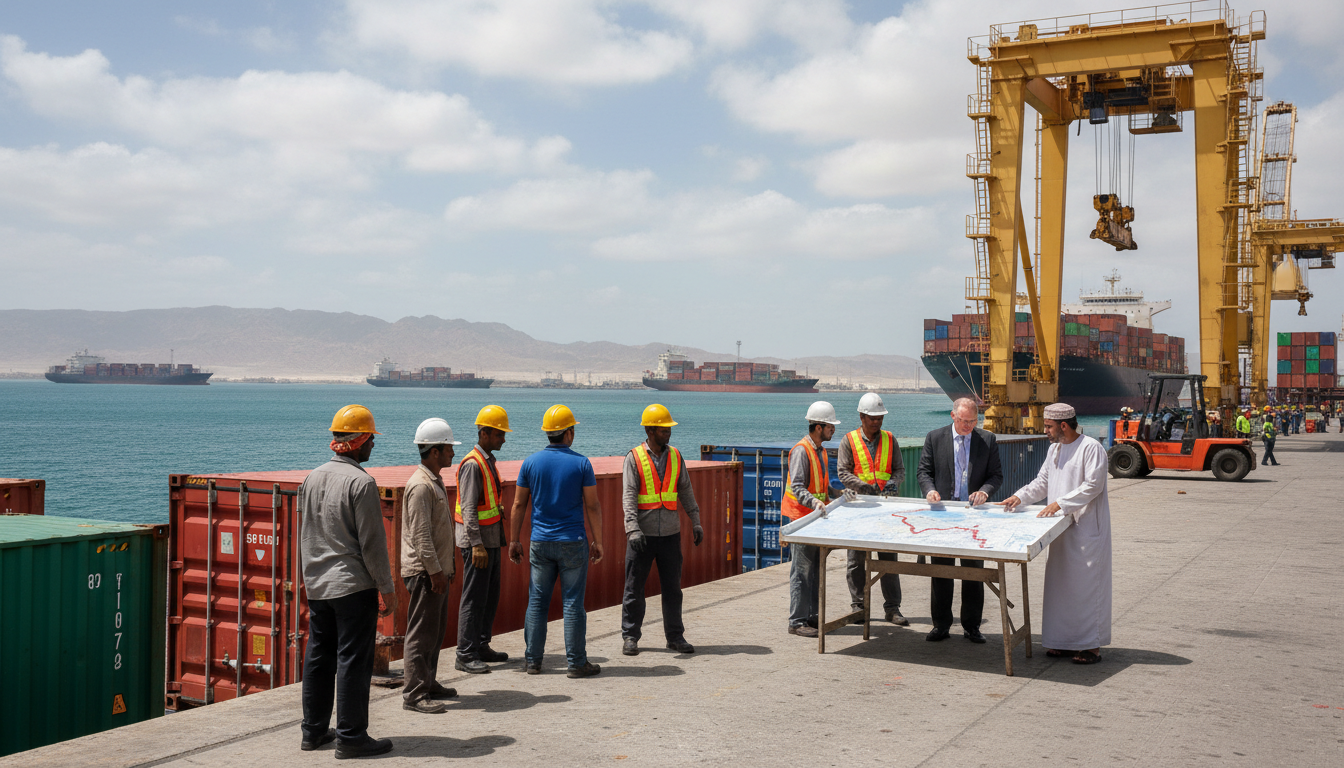
For the Asia-Pacific, particularly Thailand, this development is relevant for its potential influence on supply chain stability. Maritime routes through the Red Sea are critical arteries for trade between Asia and Europe. Disruptions directly increase shipping costs and transit times for goods flowing into and out of Asian economies. A US diplomatic effort, even if limited in scope or immediate effect, attempts to mitigate these disruptions. If the engagement leads to a reduction in Red Sea hostilities, it would translate to more predictable shipping schedules and potentially lower freight rates.
However, the outcome remains contingent. The Houthis' motivation, beyond their stated objectives, includes leveraging their position for political gains. While the US seeks to secure navigation, the Houthis may interpret the diplomatic outreach as validation or an opportunity to extract concessions. This potential divergence in incentives means that sustained stability in the Red Sea is not guaranteed. A previous instance involved the Houthis firing on Saudi oil sites, with no US strike on Iran for a period of two weeks. This indicates a complex, reactive dynamic rather than a resolved pattern.
The incentive for direct dialogue is rooted in operational necessity.
The primary beneficiaries of reduced Red Sea instability are shipping companies, insurance providers, and ultimately, consumers in both Europe and Asia who rely on timely and cost-effective trade. Thailand, as a manufacturing and export-oriented economy, benefits from any measure that stabilizes global shipping infrastructure. Conversely, continued instability necessitates costlier and longer alternative routes, which places additional strain on logistics networks and increases the final price of goods. The effectiveness of this diplomatic initiative will therefore determine the degree of its impact on the economic calculus of distant Asian markets. What the outcome now depends on is the ability of this engagement to translate into a reduction of specific Houthi actions, rather than merely containing the broader conflict.
Sources
Newsletter
Pacific Daily
A curated briefing from Thailand, Asia-Pacific and the world.