Power System Losses Point to Enduring Governance Challenges Across Asia
The Philippines' National Electrification Administration highlights a systemic issue that resonates across diverse regional economies.
SINGAPORE
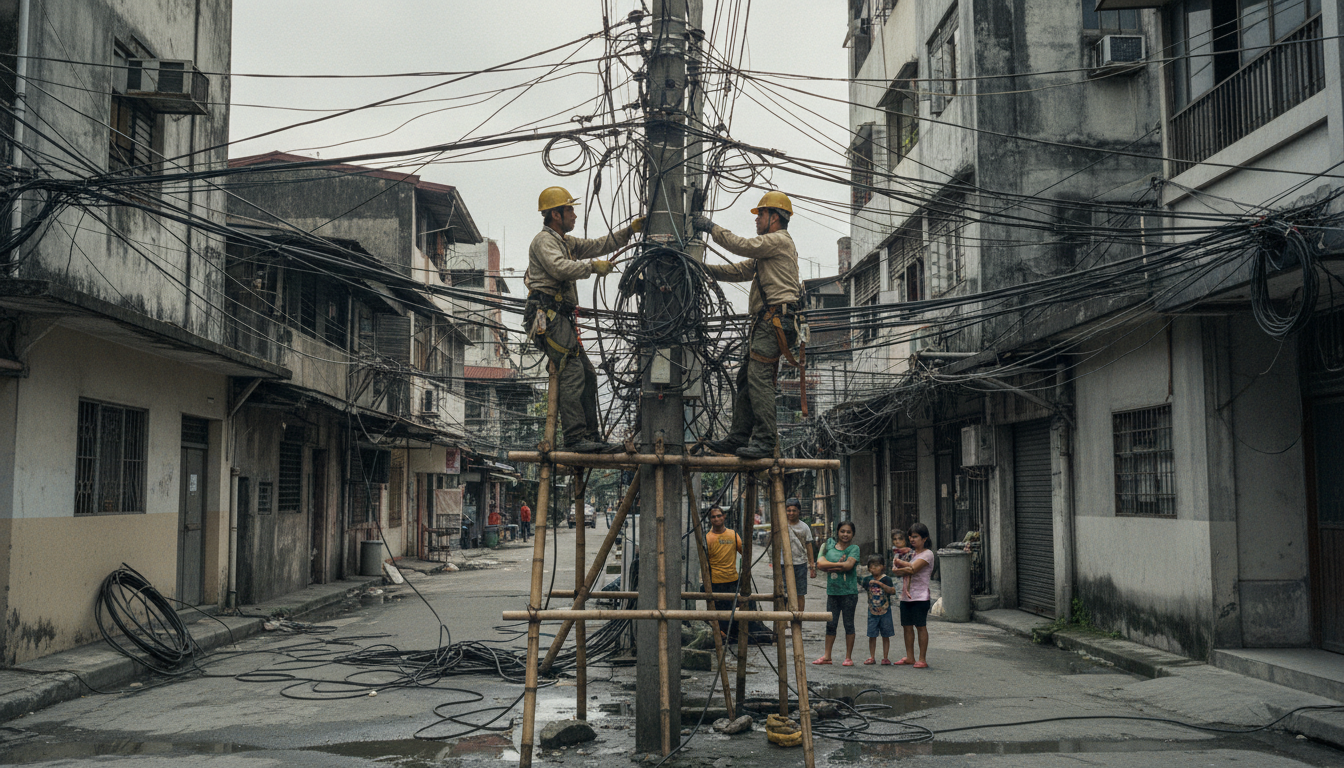
The National Electrification Administration (NEA) in the Philippines has identified a P7 billion requirement to eliminate non-technical system losses, signaling a critical, if overlooked, constraint on energy efficiency. This sum is designated for cooperatives, enabling them to invest in metering and other infrastructure upgrades. The NEA’s assessment indicates a phased transition, acknowledging the scale of financial and operational adjustments necessary.
This domestic development in the Philippines reflects a broader pattern of governance and infrastructure deficits that manifest distinctly across Asia-Pacific markets. While the immediate focus is on financial allocations for specific upgrades, the underlying issue points to varied regulatory frameworks and enforcement capabilities. In economies like Thailand, where energy grids often balance centralized state enterprises with private sector participation, similar inefficiencies can arise from a different set of political economy dynamics, including pricing mechanisms or network maintenance protocols. The challenge is not merely technical, but systemic, encompassing how regulation is designed and how capital is deployed and monitored.
The NEA's call for P7 billion highlights a structural problem: the financial burden of these losses. Non-technical losses, often attributed to factors such as electricity theft or inaccurate metering, directly impact the financial viability of utility providers and the cost to consumers. For member states of ASEAN, particularly those with rapidly expanding industrial bases, these inefficiencies can impede economic competitiveness and energy security. The need for significant financial intervention, as outlined by the NEA, underscores that these are not isolated incidents but rather embedded challenges that require sustained policy attention and investment, often competing with other national development priorities. The agency notes the necessity for cooperatives to absorb these costs post-transition, a detail that shifts the burden and potential risk.
Considering the regional implications, what surfaces in the Philippines is a microcosm of varying states of energy infrastructure maturity and regulatory oversight. While some markets have advanced metering infrastructure and robust enforcement mechanisms, others struggle with fragmented governance and capital scarcity. The proposed P7 billion is a specific figure tied to a defined problem, yet it suggests that similar, unquantified needs likely exist in other developing energy markets in Southeast Asia. The NEA's report, in this context, offers an explicit accounting of what remains an implicit cost in many other nations. The enduring question across the region remains how to fund these necessary upgrades transparently and ensure accountability in their implementation.
Sources
Newsletter
Pacific Daily
A curated briefing from Thailand, Asia-Pacific and the world.