Namibian Rhino Breeding Offers Limited Lessons for Asia's Conservation Challenges
Jaco Muller's private breeding success against poaching provides data, but its replicability in the Asia-Pacific region faces economic and contextual hurdles.
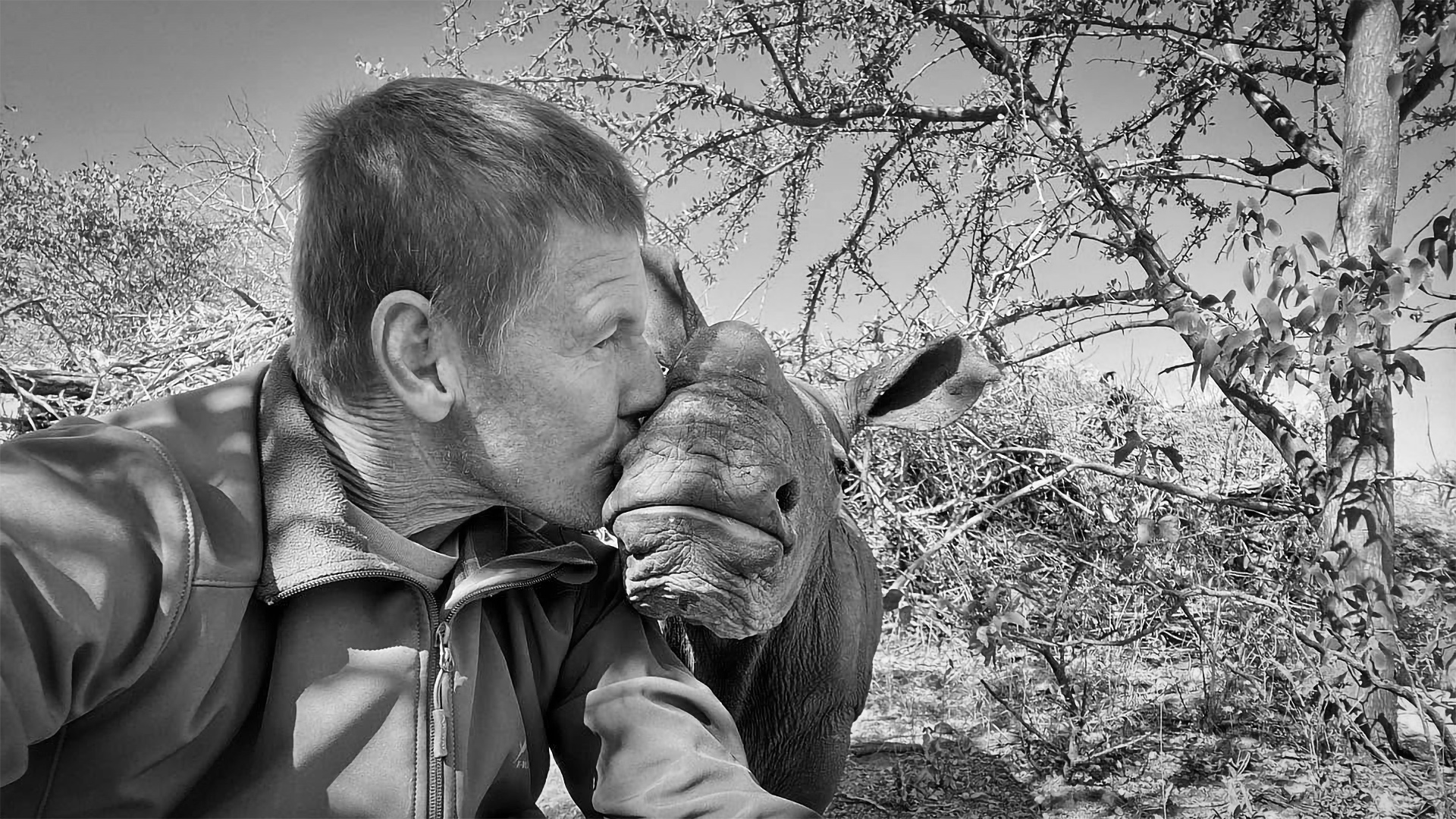
The private rhino breeding project led by Jaco Muller in Namibia has reported 197 births since 2010. This effort emerged from an idea by Muller’s son, then 15, for a school project, aiming to protect white rhinos from persistent poaching pressures.
Such interventions highlight the severe threats facing wildlife. In 2022, 14 white rhinos were taken from private Namibian farms in six weeks. In response, farm owners began dehorning animals, a measure Muller described with profound reluctance. A cow with an 86-centimeter horn had it removed, a sight Muller stated nearly brought him to tears. He affirmed that 'for the animal’s sake, it is for the best,' acknowledging that a dehorned rhino offered a better outcome than a deceased one, as dehorning gave poachers less reason to kill.
While this breeding success provides quantifiable results in increasing rhino populations within a controlled environment, its broader application requires scrutiny. The model demonstrates the potential for private initiatives to contribute to species numbers. However, the financial investments and security infrastructure needed for such large-scale operations present significant barriers to replication across diverse regions. This approach also does not directly address the underlying drivers of demand for rhino horn, which continue to fuel poaching activity.
For the Asia-Pacific region, confronting its own complex conservation challenges, the Namibian experience offers a case study in intensive management strategies. The region's distinct ecological and socio-economic landscapes, including habitat fragmentation, varying land ownership structures, and existing illegal wildlife trade networks, complicate the direct transfer of models reliant on private land and specific economic incentives. The economic frameworks supporting private rhino ownership in Namibia, potentially including tourism or regulated trade, are not universally transferable to contexts with differing legal and market conditions.
The effectiveness of private breeding programs, while capable of increasing rhino numbers in specific settings, must be evaluated within the wider conservation context. The question remains whether such models can significantly reduce poaching across large, varied territories, or if they primarily shift the problem. The ultimate outcome hinges on the interplay of robust enforcement, community engagement, and effective demand reduction strategies, none of which are simple to implement or universally effective.
Sources
Newsletter
Pacific Daily
A curated briefing from Thailand, Asia-Pacific and the world.