Mexico's Home Healthcare Model: A Cost-Benefit Test for Asia
Mexico's new free home medical visits and universal health service will strain state budgets and healthcare staffing. Asia-Pacific nations must assess the real costs.
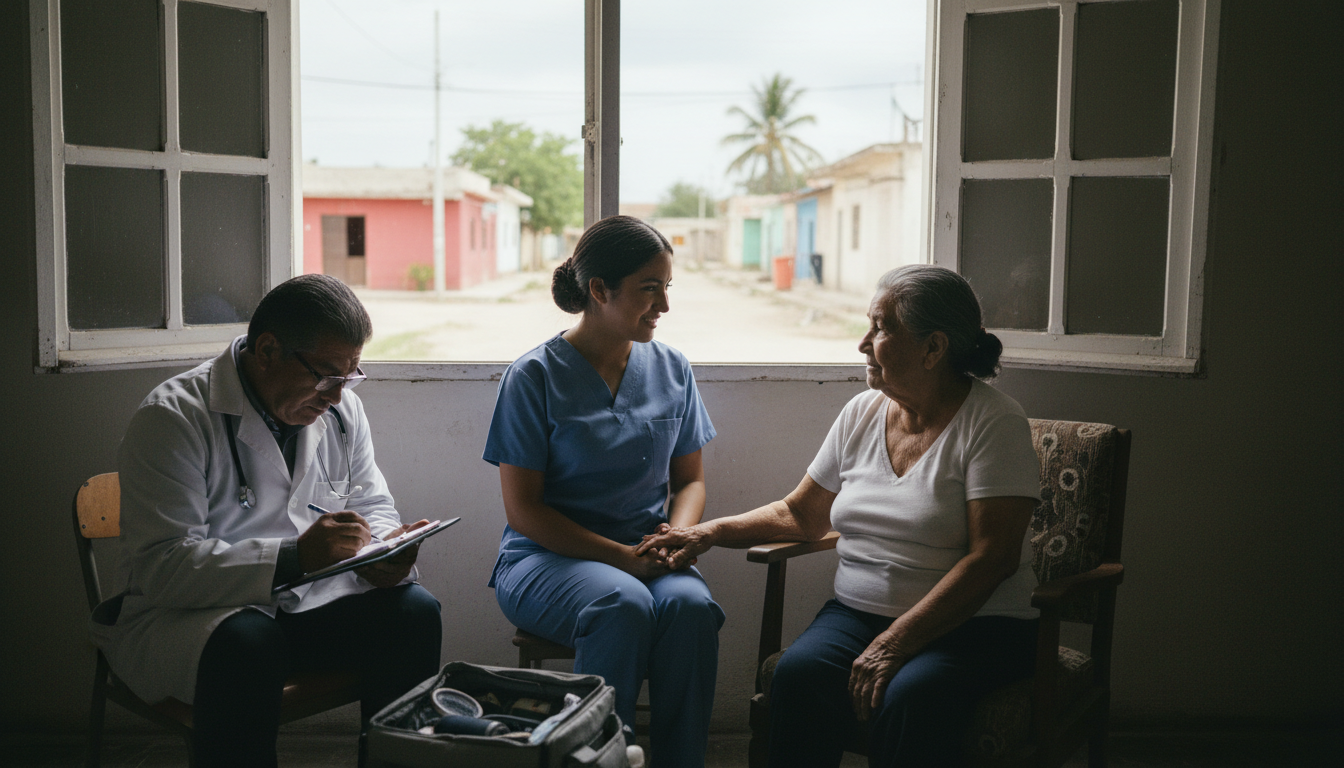
Mexico has logged more than 27 million free medical consultations for seniors and people with disabilities since June 2025, through the "Salud Casa por Casa" program. President Sheinbaum reported this number on Tuesday, alongside updates on the Universal Health Service. This service aims to allow Mexicans to seek treatment at any public health institution, regardless of affiliation. A limited version of this new universal scheme is set to commence in January 2027, with additional services universalized later.
The scale of this initiative presents a significant economic case study. Offering extensive free home healthcare addresses a clear social need, improving access for vulnerable populations. It mitigates the burden of travel for those with mobility issues and could reduce demand on overwhelmed hospital systems. The primary tension lies in the financial sustainability and the human resources required to deliver care on this scale. Who pays for such extensive services, beyond initial state funding, remains an open question.
For countries in the Asia-Pacific facing aging populations and growing healthcare demands, Mexico's experience offers both a potential model and a cautionary tale. Implementing free, widespread home healthcare requires substantial and sustained public funding. This diverts capital that might otherwise support other sectors, including infrastructure or education. The question is not just where the money comes from, but what opportunities are foregone elsewhere.
The staffing implications are also considerable. Delivering over 27 million home visits in little more than a year demands a large, dedicated workforce of doctors and nurses. Such a large-scale deployment of medical professionals creates competitive pressure on the labor market. In regions like Southeast Asia, where hospitality and tourism sectors already compete for skilled workers, a significant government push into healthcare could exacerbate staffing shortages in other industries. Hotels, resorts, and related services, particularly those catering to an aging international clientele with rising healthcare needs, could find it harder to secure nursing staff or even general service personnel if a similar state-funded program were introduced.
The Universal Health Service, expanding access beyond current affiliations, signals a shift in healthcare provision that could influence patient expectations regionally. As more services become government-provided, the private healthcare sector faces potential disruption. This could lead to a re-evaluation of investment in private clinics and hospitals, affecting not just medical tourism but also domestic healthcare employment trends. The ability of any state to fund and staff such ambitious programs consistently, without creating new economic pressures, determines the long-term viability. The Mexican model highlights potential social benefits, but the economic and labor market adjustments required remain unresolved constraints.
Sources
Newsletter
Pacific Daily
A curated briefing from Thailand, Asia-Pacific and the world.