Melbourne Boat Show reveals a persistent coastal economic pattern, not a new tide
Beneteau’s planned presence at Docklands underscores an established maritime focus, largely bypassing the critical needs of Southeast Asian coastlines.
MELBOURNE
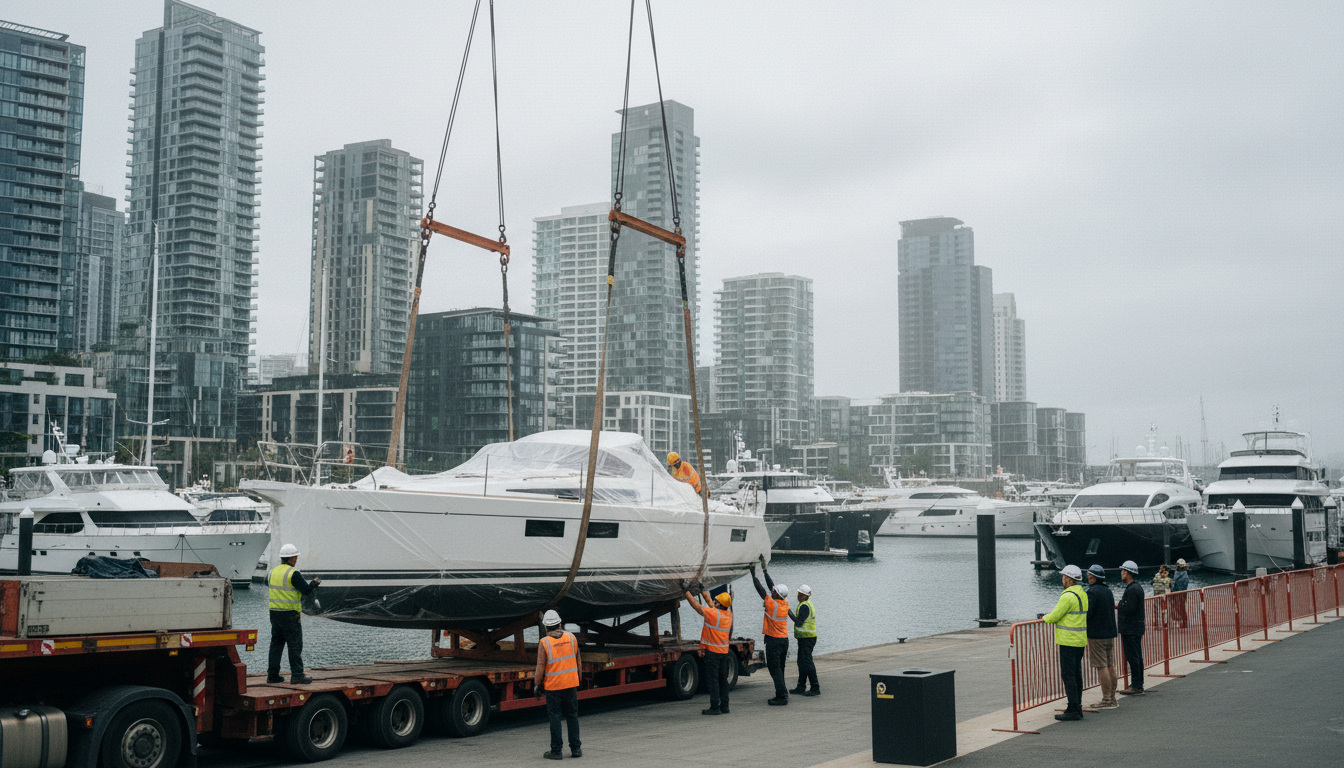
The announcement that Beneteau will participate in the Melbourne Boat Show 2026, scheduled from October 15 to 18 at Melbourne’s Docklands waterfront, reiterates a long-standing pattern in regional maritime economics. While the event itself focuses on leisure craft, its geographic anchor in Australia, a developed market, highlights a strategic emphasis that has significant, if indirect, implications for countries like Thailand and the broader Asia-Pacific.
Historically, maritime investment and development in the Pacific have concentrated in established economic hubs. This approach often prioritizes recreational and luxury segments over more fundamental maritime infrastructure critical for climate adaptation and local livelihoods. Beneteau’s decision to feature in Melbourne, a choice made by the company, reflects a calculation about market demand and purchasing power, which remain concentrated in specific, affluent coastal zones.
This pattern has implications for regional strategy. While certain coastal economies, including parts of Thailand, possess established yachting sectors catering to tourism, the foundational challenges of climate change—rising sea levels, increased storm intensity, and coastal erosion—demand different investment priorities. The focus on high-value recreational markets can overshadow the urgent need for robust, resilient working coastlines and adaptable fishing fleets that underpin food security and protect vulnerable communities. The resources directed towards events like boat shows in established markets represent capital that is not being invested in the structural reinforcement of less developed, more threatened coastlines.
Some might argue that a thriving leisure marine industry in one part of the region, such as Australia, can generate spillover benefits through technological innovation or supply chain development. Indeed, the company's participation might be seen as a sign of continued economic activity within the broader maritime sector. However, the evidence from coastal policy implementation suggests that these benefits rarely translate effectively into direct, scalable solutions for communities facing immediate existential threats from climate impacts. The economic models that drive these choices do not inherently align with the imperative of regional climate resilience.
The persistent challenge remains: how to shift strategic focus and capital towards the vulnerable coastlines that are most impacted by environmental shifts, rather than continuously reinforcing the economic structures of already advantaged regions. The Melbourne Boat Show 2026, as an event, is a manifestation of market forces operating within current parameters. It does not, however, offer a new trajectory for addressing the uneven burden of climate change across the Pacific’s diverse coastal populations.
Sources
Newsletter
Pacific Daily
A curated briefing from Thailand, Asia-Pacific and the world.