Levantine Flavors and the 'Pacific Rim' Tag: A Culinary Disconnect
A Los Angeles recipe for mutabbal highlights the imprecise application of 'Pacific Rim' as a culinary label, given the practicalities of technique and ingredient availability across Asia.
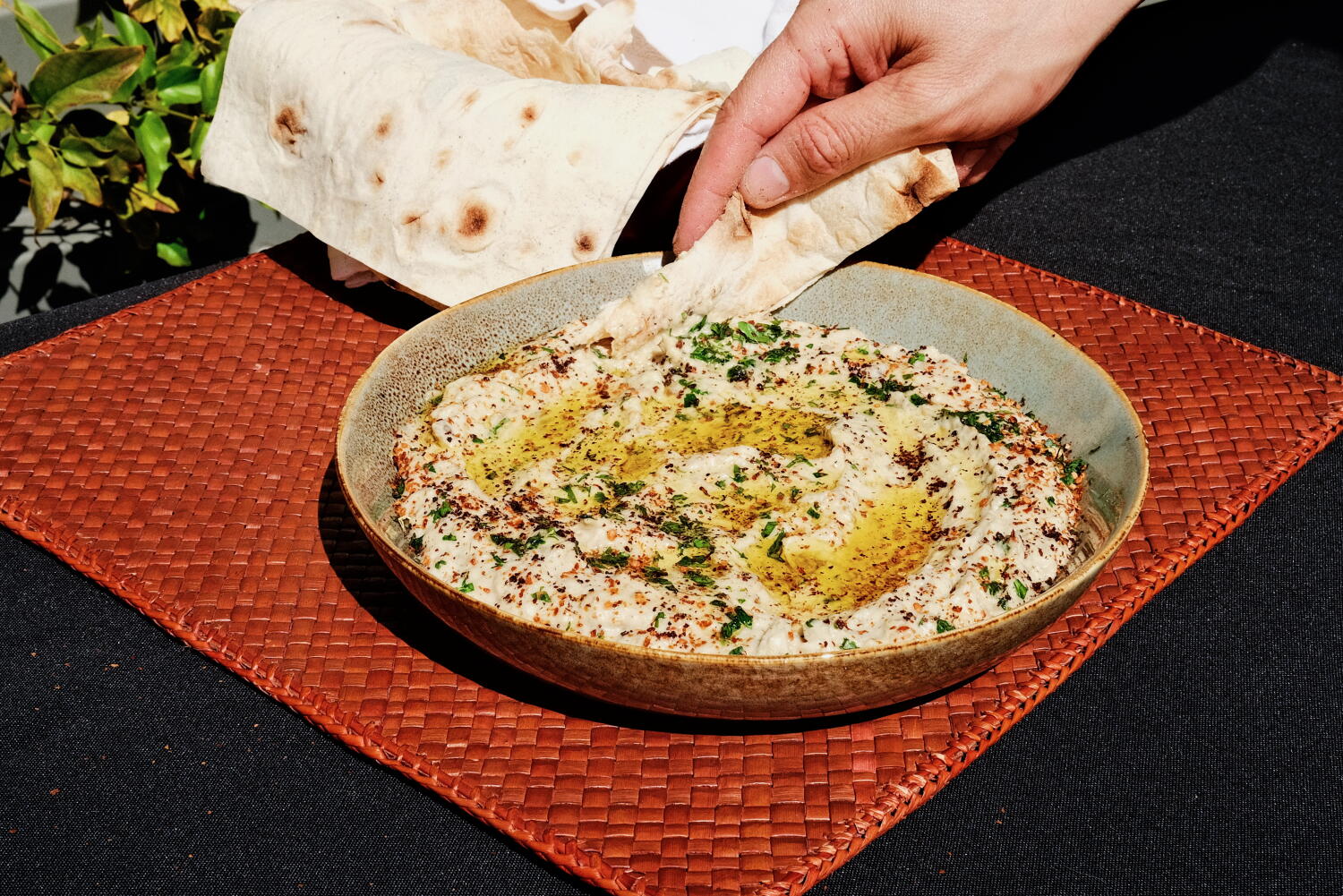
A Los Angeles Times Food column from October 9, 2026, presented a recipe for mutabbal, a Levantine eggplant dish, describing it as smoky, bright, creamy, and rich. This recipe, adapted from "The New Book of Middle Eastern Food" by Claudia Roden and inspired by Zankou Chicken in Glendale, suggests using Italian eggplants. The publication placed this content within a 'pacific-rim' region focus. This classification prompts an examination of how such culinary ideas translate into the diverse food environments of Asia.
The column states mutabbal "goes great with chicken and lamb, or eaten with pita," suggesting versatility. However, the techniques required for its preparation present challenges for widespread adoption across the Asia-Pacific. Mutabbal's characteristic smokiness often relies on broiling or direct flame. Achieving this specific charring consistently in varied kitchens, from Bangkok to Tokyo, depends on equipment and established cooking practices that are not universal. Adapting the dish for home kitchens in these regions often involves compromises that alter the intended texture and flavor profile.
Ingredient sourcing also complicates this culinary exchange. The Los Angeles Times Food column specifies "long, thin Italian eggplants" for their reported lower bitterness and suitability for broiling. While various eggplant types are common throughout Asia, the particular qualities of Italian eggplants are not always readily available or culturally prominent. Local varieties, differing in bitterness and flesh density, would necessitate significant adjustments to the recipe's proportions and cooking times, potentially affecting the dish's brightness and creaminess. Relying on imported produce for this specificity can elevate costs, limiting mutabbal's reach beyond niche culinary segments.
The application of 'pacific-rim' to a Levantine dish, developed in Los Angeles, suggests a broad geographical interpretation. The South China Morning Post, in an article discussing the film "Pacific Rim," also used the term, indicating its usage in contexts beyond food. This suggests 'Pacific Rim' can function more as a general identifier than a precise descriptor of active culinary exchange and integration within food systems. For a dish like mutabbal to truly establish itself in the Asia-Pacific, it needs more than a general regional tag.
It would require either a widespread, consistent supply of specific ingredients like the specified eggplants or, more practically, substantial regional adaptation of both techniques and ingredient profiles. Without these concrete adjustments, the idea of mutabbal becoming a common item on tables throughout the Asia-Pacific remains largely conceptual. The costs associated with maintaining authentic preparation methods and sourcing specialized produce often define the genuine boundaries of a dish's geographical spread and its integration into new culinary landscapes.
Sources
Newsletter
Pacific Daily
A curated briefing from Thailand, Asia-Pacific and the world.