Japan Retail Demand for Anthropic Points to an Appetite for Manufactured Access
Cross-border retail capital chasing artificial intelligence listings reveals more about distribution channels than underlying asset discipline.
SINGAPORE
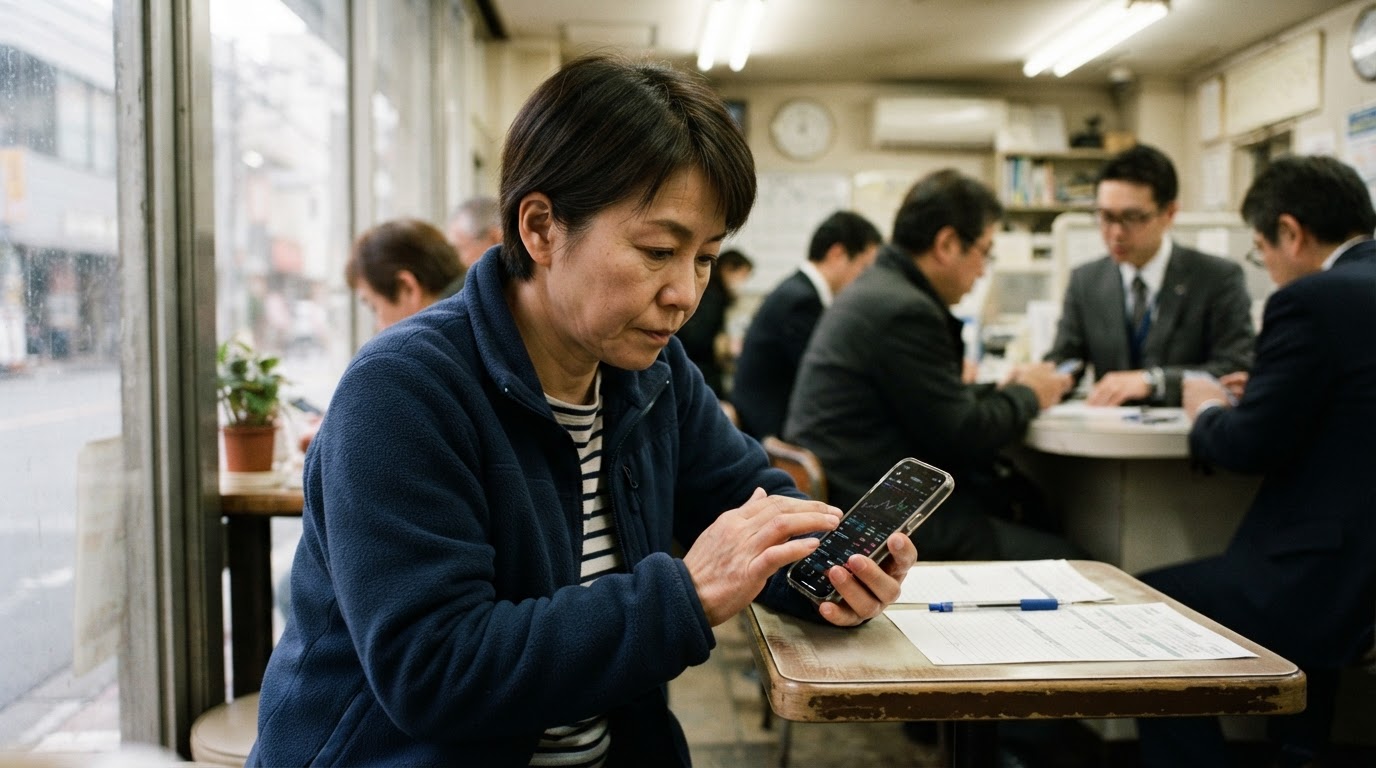
Retail participation in foreign equity debuts frequently mirrors the mechanics of prestige allocation rather than measured capital appraisal. When individual buyers in Japan direct their savings toward the Anthropic initial public offering, the transaction appears less like traditional equity analysis and more like a clamour for restricted entry. Artificial intelligence developers have built immense narrative equity across East Asia, yet the bridge connecting retail capital accounts in Tokyo to direct foreign share allocations carries distinct structural friction.
Individual market participants rarely gain unmediated entry to major cross-border offerings. Instead, foreign distribution pipelines generally package access through domestic intermediaries, selling allocation tranches to households seeking direct exposure to American computing ventures. In Japan, retail enthusiasm for the Anthropic listing demonstrates how technological novelty can be converted into immediate consumer urgency. The appetite is undeniable, but the asymmetry between institutional underwriting priorities and retail execution warrants careful inspection.
The Mechanics of Manufactured Demand
Scarcity in initial public offerings is an operational construct designed to ensure secondary market liquidity. Underwriters balance allocation books to reward long-term institutional custodians while dangling constrained volume before retail networks. For household buyers across Asia, entering such listings requires navigating brokerage markups, currency translation expenses, and regulatory limits governing foreign securities holdings.
Access to offshore listings often commands a silent premium that retail buyers absorb without calculating full transaction frictions.
Traditional valuation frameworks struggle when applied to early enterprise deployments of generative software. Individual investors buying into these offerings often price the cultural visibility of the enterprise rather than its capital expenditure demands or cash burn. The rush documented across Japanese retail channels reflects a common market distortion: when access appears exclusive, the price paid for that access becomes a secondary consideration.
Counterarguments suggest that enabling retail accounts to purchase foreign technology offerings democratises wealth creation that was historically reserved for offshore institutional funds. From this viewpoint, Japanese retail interest reflects rational portfolio diversification, allowing domestic savers to hedge domestic currency exposure by accumulating equity in global foundational models. Proponents maintain that mature retail participation provides vital liquidity to the secondary market during volatile initial trading sessions.
Structural Asymmetries in Retail Allocation
That democratic thesis collapses under closer scrutiny of execution timelines. Retail investors entering via domestic distributor tranches almost invariably enter after institutional anchors have negotiated entry valuations. If post-listing trading softens, retail accounts lack the sophisticated hedging mechanisms available to prime brokerage clients. They absorb the initial volatility of the asset class without possessing the governance rights or structured downside protections accorded to corporate sponsors.
Regional implications extend across Asia-Pacific retail trading hubs. Individual accounts throughout East and Southeast Asia have demonstrated an expanding willingness to bypass domestic bourses in search of foreign technology equities. Domestic stock exchanges face lingering structural competition if their most active individual savers consistently export risk capital to finance corporate balance sheets abroad. This migration of domestic savings leaves regional markets deprived of speculative liquidity while exposing local households to unhedged overseas regulatory shifts.
Japan presents an instructive case study for how foreign technology developers mobilise foreign retail liquidity. The Anthropic listing shows that household demand for high-profile technology assets remains resilient even across borders. What remains unresolved is whether retail participants who rush for international allocations can achieve long-term capital preservation once initial trading excitement yields to operational realities.
Sources
Newsletter
Pacific Daily
A curated briefing from Thailand, Asia-Pacific and the world.