Japan Reconsiders Its Prescription Shield
Closing the gap between domestic drug valuations and global rates challenges decades of cost containment across Asian healthcare systems
SINGAPORE
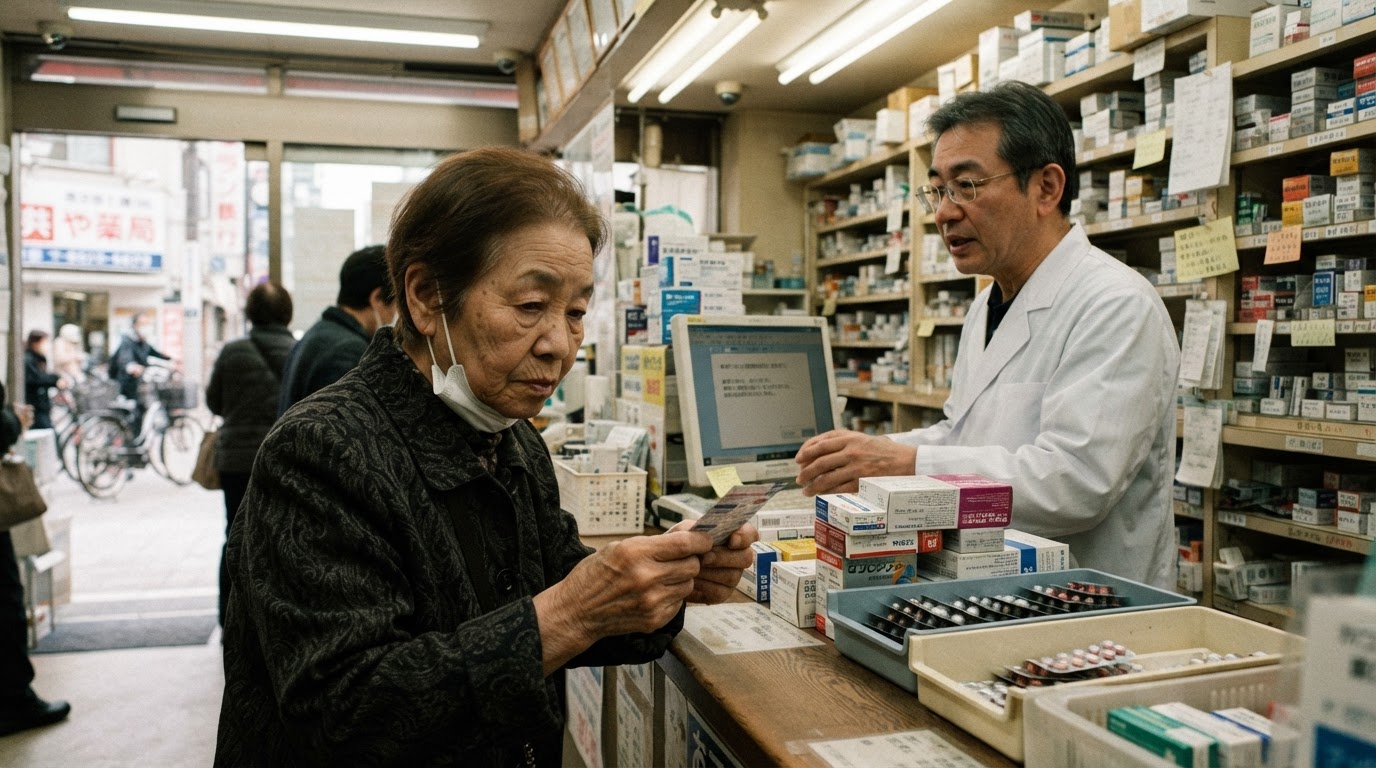
State-administered healthcare systems historically treated domestic pharmaceutical pricing as an unassailable sovereign buffer against external inflationary pressure. For decades, statutory price controls insulated national insurance schemes from the escalating capital requirements of multinational biotechnology research. That longstanding boundary is now eroding at its institutional center. According to reporting from Nikkei Asia, Japan is weighing proposals to raise reimbursement prices for new pharmaceuticals closer to prevailing overseas levels. The prospective shift signals an acute policy dilemma: sustaining universal access through aggressive discounts increasingly risks marginalizing a domestic market from timely global pharmaceutical development.
Regulators have long operated on the assumption that substantial domestic patient volume justified subdued baseline pricing. When therapies command significantly higher valuations abroad, pharmaceutical manufacturers face distinct commercial disincentives against prioritizing local regulatory submissions and distribution networks. This dynamic creates persistent lags between global availability and domestic rollout. By contemplating an upward alignment with foreign benchmarks, policy planners are effectively acknowledging that price suppression carries an invisible tariff measured in deferred clinical access. Securing sustained access to cutting-edge therapies now requires accepting the fiscal discipline of international market parity.
The Friction of Universal Coverage
Adopting higher price points introduces immediate structural strains into statutory health insurance funds. Public insurance programs operating under statutory fiscal limits must finance higher unit procurement costs or shift larger co-payment obligations directly onto patients. The alternative involves curtailing reimbursement for established, off-patent treatments to preserve fiscal room for costly novel compounds. Every upward recalibration of premium treatments forces a quiet rationing across other therapeutic classes, presenting health ministries with difficult political choices regarding resource allocation.
Advocates of maintaining existing suppression mechanisms maintain that universal access depends entirely on rigorous price restraint. From their perspective, conceding to foreign benchmark rates rewards pharmaceutical developers at the direct expense of public solvency, setting a precedent that private manufacturers can exploit. This objection carries institutional weight. Opening statutory formularies to external rate pressures weakens a government's leverage in bilateral negotiations, potentially triggering unsustainable annual healthcare expenditures.
Shifting Dynamics Across Asia
Beyond domestic fiscal management, the reassessment carries noticeable implications for regional procurement across the Asia-Pacific. Other regional health authorities have frequently pointed to established domestic price schedules in East Asia as informal ceilings when bargaining with international developers. If Tokyo recalibrates its baseline valuations upward, multinational drugmakers will encounter fewer regional anchors holding down reference pricing. Middle-income economies pursuing expanded national insurance coverage could discover that international pharmaceutical firms display even less willingness to discount modern therapies within emerging Asian markets.
The unresolved tension centers on whether public healthcare budgets can absorb internationalised pharmaceutical expenses without eroding baseline universal care. Adjusting domestic pricing mechanisms may successfully accelerate the introduction of advanced foreign treatments, yet it inevitably strains the statutory underwriting that makes those therapies broadly accessible to citizens.
Sources
Newsletter
Pacific Daily
A curated briefing from Thailand, Asia-Pacific and the world.