Influence and Infrastructure: The Enduring Challenge of Rent-Seeking in Philippine Development
The National Bureau of Investigation's probe into Genesis88 Construction in Davao highlights a persistent structural vulnerability in regional public works contracting.
SINGAPORE
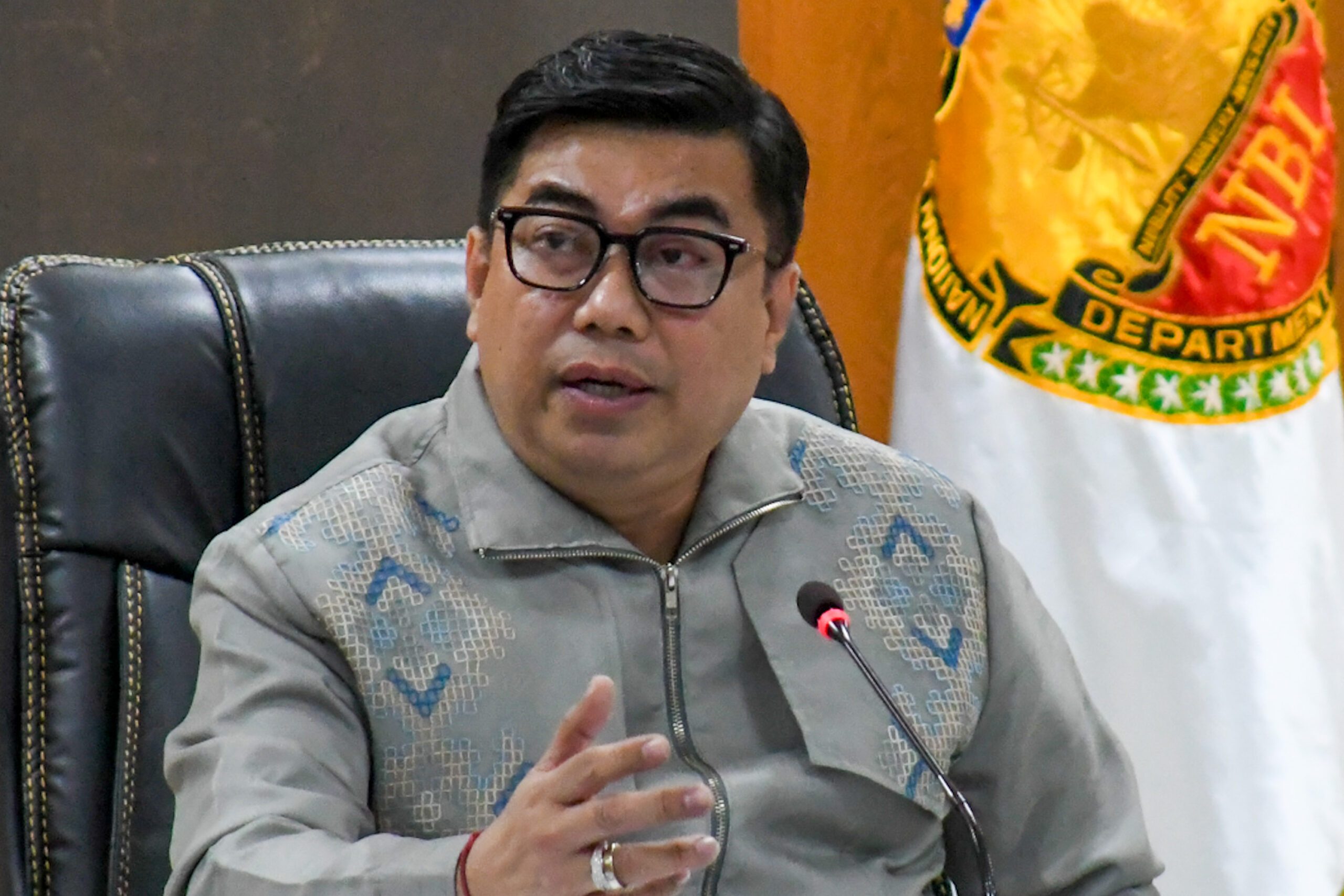
The National Bureau of Investigation (NBI) has initiated an inquiry into Genesis88 Construction Inc., a firm reportedly linked to the Duterte family. This investigation centers on nearly P1.9 billion in flood control projects awarded to Genesis88, according to the NBI Director Melvin Matibag on May 4, 2026. Subpoenas have been issued to officials from the Department of Public Works and Highways (DPWH) in connection with potential violations of anti-graft and anti-money laundering laws. Representative Paolo Duterte has publicly supported the investigation, emphasizing the importance of evidence and transparency.
The inquiry follows a Rappler investigation in 2025, which identified Genesis88 as Davao's primary contractor for flood control projects. This firm, owned by an individual described as a longtime friend of the Dutertes, secured projects valued at P2.9 billion in the Davao Region, as reported by Rappler.
Such investigations, while targeting specific firms, signal a broader structural issue within the Philippines' public procurement system, particularly at the regional level. The concentration of significant public works contracts with companies perceived to have political connections raises questions about the competitive integrity of the bidding process and the allocation of public funds. The incentives for politically connected entities to pursue public infrastructure contracts are clear: significant revenue streams often secured with reduced competitive pressure. The factory that follows is an allocation of public resources that may prioritize connections over project efficacy or cost efficiency.
While Representative Duterte's stated support for transparency is a positive signal, the historical pattern of such probes underscores a recurring challenge. Investigations into contractors with political ties are not new in the Philippines. The Department of Public Works and Highways has faced scrutiny over project awards for decades. The issue is not merely the existence of an investigation but the systemic conditions that allow for such concentrations of power and capital in public works. The NBI's current focus on potential anti-graft and anti-money laundering violations suggests a recognition of the financial incentives driving these arrangements.
However, a counterargument exists: a contractor's success in securing projects could be attributed to legitimate capacity and competitive pricing, rather than influence alone. It is plausible that Genesis88, as a significant contractor in Davao, possesses the operational scale and experience required for large-scale flood control initiatives. The challenge for any investigation is to definitively separate legitimate business success from undue influence, especially when long-standing relationships are present. The NBI's subpoena of DPWH officials indicates an attempt to examine the procurement process itself, which is critical for this distinction.
For the Asia-Pacific region, and Thailand specifically, the Philippine experience offers a cautionary signal. Effective governance and transparent public procurement are critical for fostering sustained economic development and attracting foreign investment. When questions arise about the fairness of public contracting, investor confidence can erode, and the efficiency of public spending diminishes. Thailand, like many developing economies in the region, is heavily investing in infrastructure. The Philippine case emphasizes the ongoing necessity for robust independent oversight mechanisms and strict enforcement of anti-corruption laws to ensure that public funds deliver public value, rather than private benefit concentrated among a connected few. The outcome of the NBI investigation will depend on the thoroughness of its process and the political will to implement any findings, regardless of the implications for powerful figures.
Sources
Newsletter
Pacific Daily
A curated briefing from Thailand, Asia-Pacific and the world.