Huawei's Wi-Fi Licensing Shifts Asia-Pacific's Tech Landscape
The agreement with HP ahead of the Trump-Xi meeting presents a nuanced challenge to U.S. tech restrictions and reconfigures market dynamics across the region.
SINGAPORE
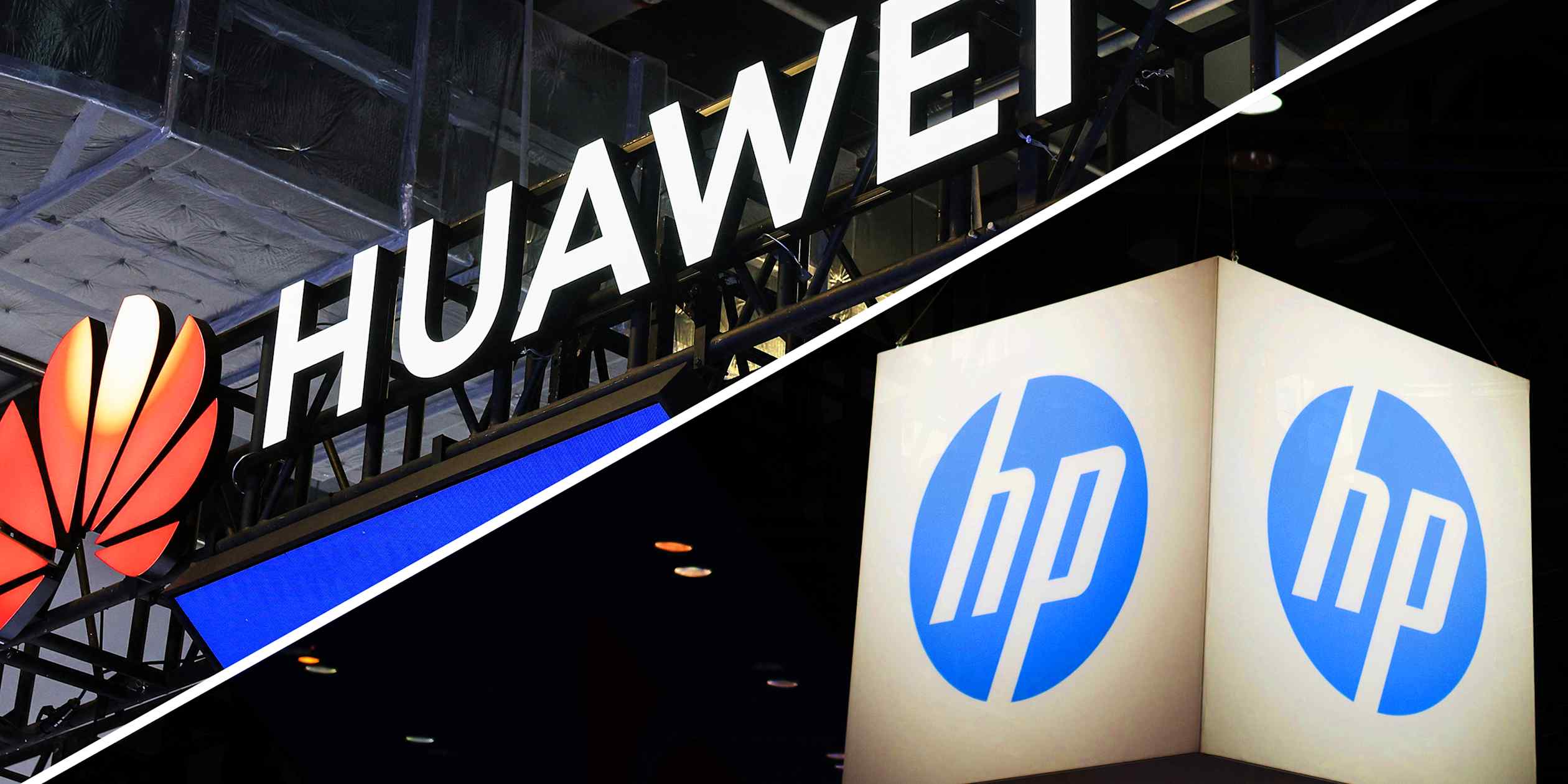
The report by Nikkei Asia detailing Huawei's licensing of key Wi-Fi technology to HP introduces a development that interrupts the pattern of escalating U.S.-China technology decoupling. While the Trump administration’s policies aimed to restrict Huawei’s global reach, this specific licensing agreement suggests a practical workaround, rather than a direct confrontation. This is not merely a commercial transaction, but a re-calibration of strategic technology transfer, particularly significant given its timing ahead of a Trump-Xi meeting.
From a regional perspective, the implications for Southeast Asian markets like Thailand are complex. Thailand, like many nations in Southeast Asia, relies on a balance of technologies from both U.S. and Chinese providers. The ability of a major Chinese firm to license its core technology to a U.S. counterpart, even under restrictive conditions, suggests that complete technological bifurcation is not yet a foregone conclusion. This dynamic could afford countries greater flexibility in their digital infrastructure development, potentially softening the pressure to choose exclusive vendors from either sphere. However, this also introduces a layer of uncertainty regarding the long-term viability of such arrangements, which may be subject to political shifts.
Historically, technology standardization has been a crucial element for market integration and economic growth. The fragmentation of standards or outright bans often creates barriers that impede cross-border commerce and innovation. This agreement between Huawei and HP, therefore, can be viewed as an attempt to maintain a degree of interoperability and market access, even amidst geopolitical tensions. It represents a question regarding the effectiveness of broad technology export controls when core intellectual property can be licensed. The specific nature of the licensed Wi-Fi technology, a fundamental component of connectivity, underscores its importance in shaping the future digital infrastructure in the Asia-Pacific.
The strongest counterargument to this interpretation is that this is an isolated incident, a tactical maneuver by Huawei to secure revenue and maintain market relevance for a specific technology, rather than a sign of a broader trend towards technological détente. It is plausible that the U.S. government views such licensing as a necessary evil to ensure continued competition or to mitigate the impact on American firms, rather than an endorsement of Huawei’s strategic objectives. The limitations of this analysis are evident; without further details on the terms of the agreement or the specific U.S. government approvals, the full scope of its implications remains to be fully discerned. However, the event itself, occurring ahead of a high-level bilateral meeting, signifies that the technology front remains a key area of negotiation and adaptation, rather than outright technological separation. This leaves a real unresolved tension between the desire for technological independence and the practical realities of a globally interconnected tech ecosystem.
Sources
Newsletter
Pacific Daily
A curated briefing from Thailand, Asia-Pacific and the world.