Highway disruption in Vancouver exposes fragility of food supply networks
While traffic congestion is an immediate concern, the deeper issue for metropolitan food systems is their reliance on vulnerable transport infrastructure.
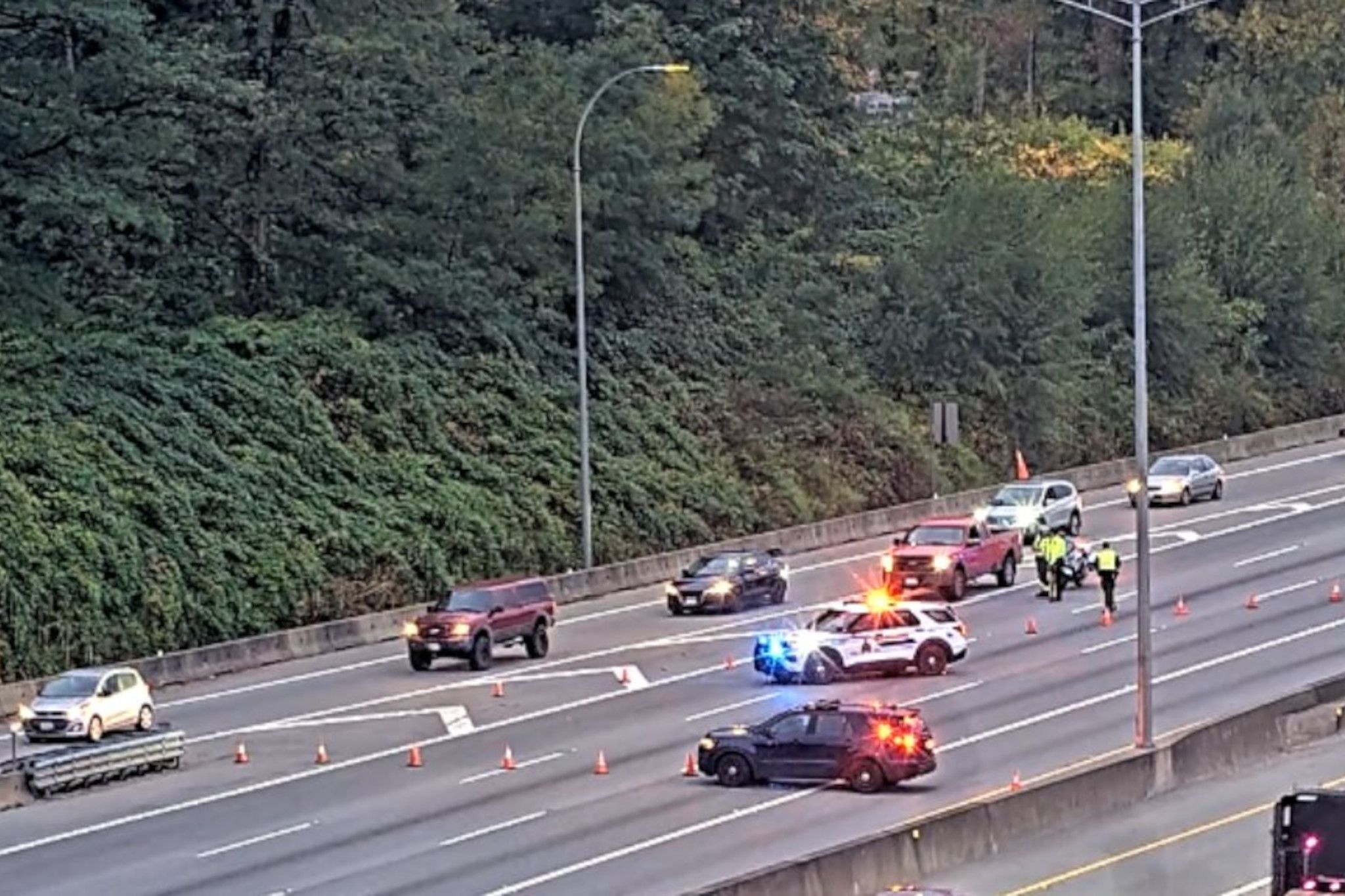
A significant incident on Highway 1 in Burnaby on Tuesday, October 6, closing eastbound lanes at Kensington Avenue, caused extensive traffic delays. While public attention focused on commuter rerouting, this event highlights a systemic vulnerability in the movement of goods into and within metropolitan areas.
Highway 1 functions as a critical artery for logistics in the Metro Vancouver region. Although the Daily Hive Vancouver report does not specify affected cargo, prolonged disruptions to such major routes invariably impact supply chains for various consumer goods, including food. The report’s description of “heavy traffic delays” and the necessity for “alternative routes” indicates a substantial bottleneck.
The Vancouver metropolitan area relies on efficient transport to bring agricultural products and perishables from farms and processing centers to distribution hubs, and then to restaurants and markets. A single major highway closure, even for a day, can create cascading delays. This compromises product freshness and increases operational costs for businesses reliant on precise inventory management. While empty shelves may not appear immediately, these additional expenses eventually absorb margins throughout the supply chain.
Such incidents are not unique to Canada’s Pacific coast. Road traffic fatalities in Singapore reached a 10-year high of 149 in 2025, according to The Straits Times, suggesting increased stress on transport infrastructure there. Even less severe events, such as those that affected the M25 in the UK in June 2026, causing “huge queues of traffic” as reported by the BBC, demonstrate the critical nature of transport links for economic activity and their susceptibility to disruption. These events, though geographically distinct, underscore a shared fragility in modern urban logistics networks.
For the restaurant sector, disruptions to key transportation routes are more than an inconvenience; they directly threaten profit margins. Fresh produce, specialty ingredients, and daily deliveries are fundamental to many culinary operations. When trucks face hours-long detours or delays, labor, fuel, and potential spoilage costs rise. This compels establishments to adapt, either by sourcing from potentially more expensive local suppliers or by absorbing higher transport costs. Both responses directly affect the often-precarious financial balance of many kitchens.
The Burnaby incident, though localized, serves as a sharp reminder of the tight margins within which urban food systems operate. The immediate concern for public safety and traffic flow is paramount. However, the event also exposes how a single point of failure in infrastructure can ripple through the regional economy, particularly for an industry so dependent on timely and efficient distribution. The challenge remains to reconcile the constant demand for rapid transport with the inherent fragility of the physical networks supporting it. The financial impact on those who grow, transport, and prepare food, especially in metropolitan areas, often remains unseen beyond the immediate traffic reports.
Sources
Newsletter
Pacific Daily
A curated briefing from Thailand, Asia-Pacific and the world.