Hanoi's Western Engagements: A Shifting Balance for Regional Strategy
Vietnam’s top leader To Lam’s UN and Canada visits signal a re-evaluation of external partnerships, posing strategic questions for Southeast Asia.
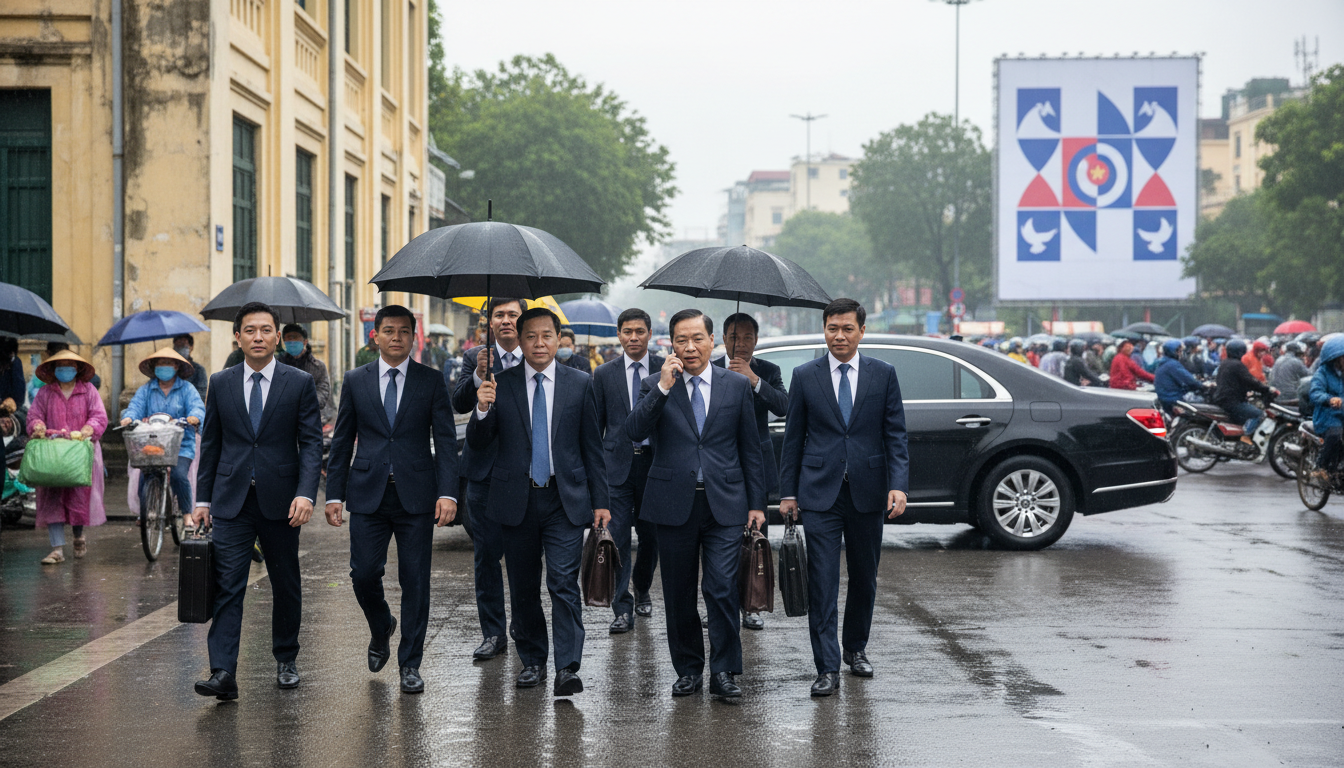
HANOI
The reported travel of Vietnam's Party General Secretary and President To Lam to the U.N. General Assembly in New York and a state visit to Canada this month marks a significant, though not unprecedented, pattern of engagement. This diplomatic trajectory, following his strengthening of power in April 2026, warrants examination beyond the immediate headlines. Historically, Vietnam has navigated its external relations with a cautious approach, balancing its foundational ideological commitments with pragmatic economic and security interests. The current leadership’s itinerary suggests an active pursuit of international platforms and bilateral ties, particularly with Western-aligned nations.
This series of high-level engagements occurs at a juncture where regional dynamics are in flux. For Thailand, and indeed for much of the Asia-Pacific, Vietnam’s diplomatic calculus has direct implications. Vietnam’s consistent engagement with global bodies and its outreach to North American partners reflect a strategic diversification, likely intended to broaden its diplomatic and economic base. This stands in contrast to a regional tendency to consolidate relations within existing blocs or with dominant regional powers. The deliberate cultivation of relationships beyond traditional spheres can offer Hanoi greater flexibility in economic development and security arrangements.
### Implications for Regional Alignment
The perception of Vietnam as a counterweight or an alternative model to other major regional players is a recurring theme in international analysis. The East Asia Forum, in June 2026, highlighted that 'Vietnam is not China in the making,' indicating a distinct developmental path. However, such engagements by To Lam, particularly with a strengthened mandate, raise questions about the extent to which this strategic diversification might influence the broader geopolitical alignment in Southeast Asia. While Hanoi’s leadership has consistently reaffirmed its 'four pillars' approach to state leadership and its independent foreign policy, the optics of such high-profile Western visits can shift regional perceptions.
The challenge for regional strategists lies in discerning the long-term impact of these visits. Is this a temporary adjustment to immediate geopolitical pressures, or does it represent a more fundamental reorientation of Vietnam's external priorities? One perspective suggests that these engagements are a pragmatic response to diversify economic partnerships and secure technology transfers, given that the UN General Assembly provides a forum for multilateral diplomacy and Canada offers a stable G7 partner. This approach aligns with Vietnam's long-standing policy of 'multidirectional foreign policy' (đa phương hóa, đa dạng hóa).
However, a counter-argument holds that while these visits are significant, they may not fundamentally alter Vietnam's deeply ingrained strategic neutrality. The country's historical experience dictates a cautious approach to aligning too closely with any single power bloc. The strengthening of power by To Lam, as noted by the BBC and The Business Times in April 2026, grants him a robust domestic mandate, but it does not inherently guarantee a dramatic shift in foreign policy direction. Vietnam’s internal political structures and economic dependencies still exert considerable influence on its external relations. The focus remains on maintaining stability and fostering economic growth, often through carefully balanced international relationships. The visits represent an expansion of diplomatic scope, rather than a definitive shift in foundational policy. The regional consequence will be measured not by the visits themselves, but by the tangible policies and agreements that follow, and how those actions reconcile with Hanoi’s long-standing commitment to strategic autonomy.
Sources
Newsletter
Pacific Daily
A curated briefing from Thailand, Asia-Pacific and the world.