Haleakalā Decision Signals Shifting Power Dynamics in Pacific Strategic Infrastructure
The delay in approving military telescopes on Maui reflects a growing local capacity to constrain external strategic ambitions, altering regional infrastructure development.
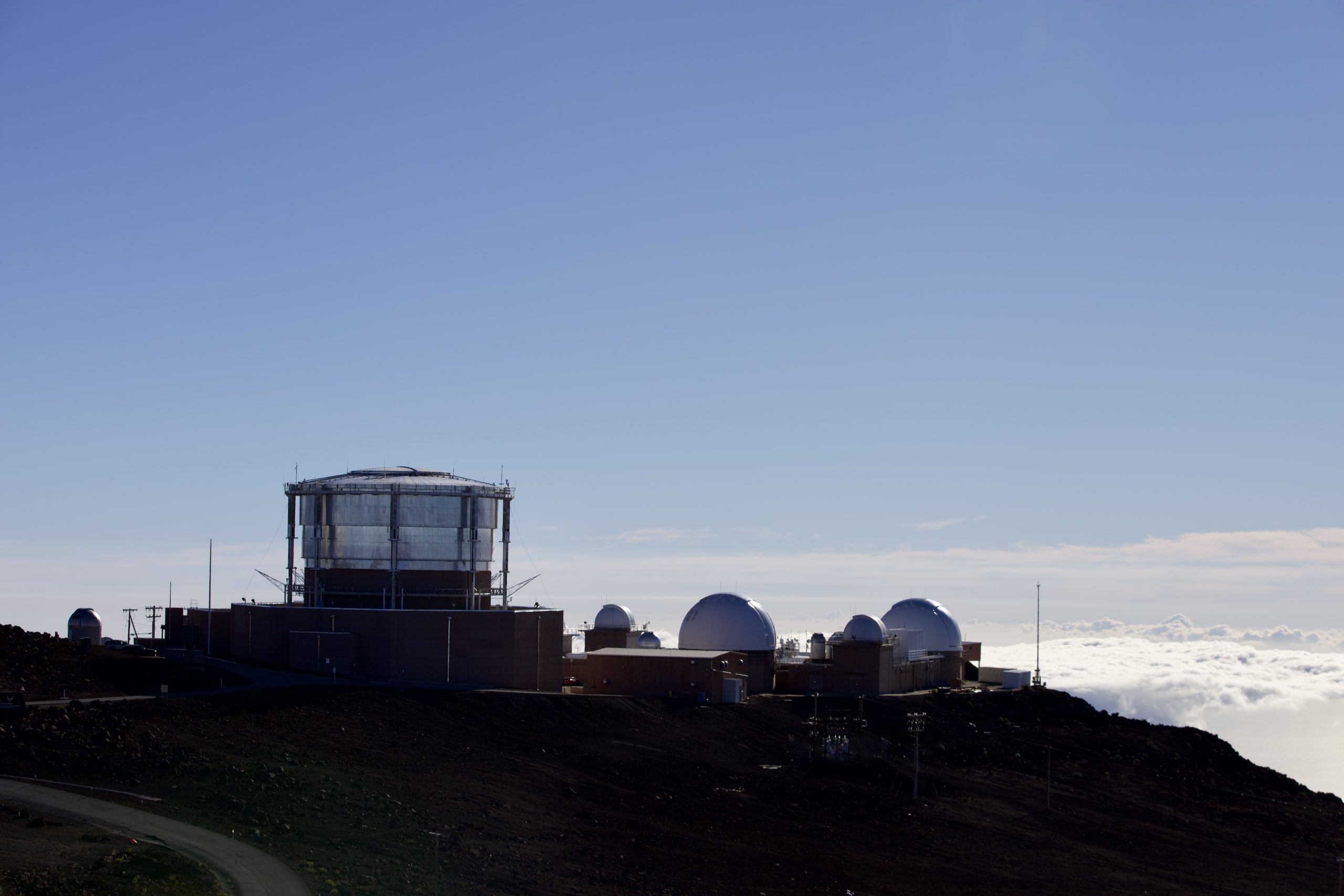
The final environmental and cultural review for military telescopes atop Haleakalā on Maui is expected by the end of the year, following community opposition. This procedural pause, driven by resistance from local residents and groups such as Protect Haleakalā, illustrates a structural shift in how strategic infrastructure projects are approved within the Pacific.
Historically, decisions regarding military or scientific installations, particularly those deemed of national interest, often proceeded with limited local input, or where local input was gathered, it often did not alter the project's trajectory significantly. The current situation on Maui, where federal officials are responding to feedback concerning a plan to build up to seven telescopes in a state conservation district, marks a departure. The fact that the process is paused, with residents like Hina Kneubuhl stating, “We’re all waiting,” suggests that local objections are now a measurable variable in project timelines and outcomes.
The proposed telescopes are a component of a broader strategic presence in the Pacific. Their intended function, whether for defense, surveillance, or scientific research with dual-use potential, positions them as assets within a regional power competition. However, the opposition from Hawaiian cultural practitioners and environmentalists has introduced a new layer of constraint. This is not merely a localized environmental dispute; it is an instance where local community structures are actively challenging and delaying projects originating from central strategic imperatives.
The implication for the wider Asia-Pacific region is that the capacity to deploy and expand strategic infrastructure is increasingly subject to local agency. Governments and external actors pursuing projects, from naval bases to research facilities, will likely encounter more organized and effective local resistance. This alters the risk calculus for such investments. It indicates that the social license to operate is no longer a given, even for projects framed as essential for national security or scientific advancement.
One could argue that this delay is merely a temporary procedural step, and that ultimately, the strategic imperatives will prevail. This argument suggests that the federal government will eventually find a way to mitigate concerns or override objections, allowing the construction of the telescopes to proceed. The history of military installations often supports this view, where national security has frequently outweighed local considerations. However, the current prolonged review and the explicit acknowledgement of community feedback suggest a different trend. The cost of overcoming such opposition, in terms of public relations, political capital, and legal challenges, appears to be rising.
For Southeast Asian nations, including Thailand, this development provides a precedent. When regional powers or external actors propose infrastructure projects, whether for economic development or strategic positioning, local communities and civil society organizations can now reference such cases to assert greater influence. This elevates the importance of local stakeholder engagement from a perfunctory exercise to a critical determinant of project feasibility.
What remains unresolved is the long-term impact on strategic planning. If local opposition can consistently delay or derail projects deemed essential by central authorities, it introduces an element of unpredictability into regional power projection. The outcome of the Haleakalā review will signal the true extent of this structural shift, defining who ultimately holds the decision-making power in the deployment of strategic assets across the Pacific.
Sources
Newsletter
Pacific Daily
A curated briefing from Thailand, Asia-Pacific and the world.