Fiji's HIV emergency exposes wider regional vulnerability, demands incentive shift
A public health crisis in Fiji signals systemic risks beyond immediate medical concerns, highlighting gaps in regional responses to shared vulnerabilities.
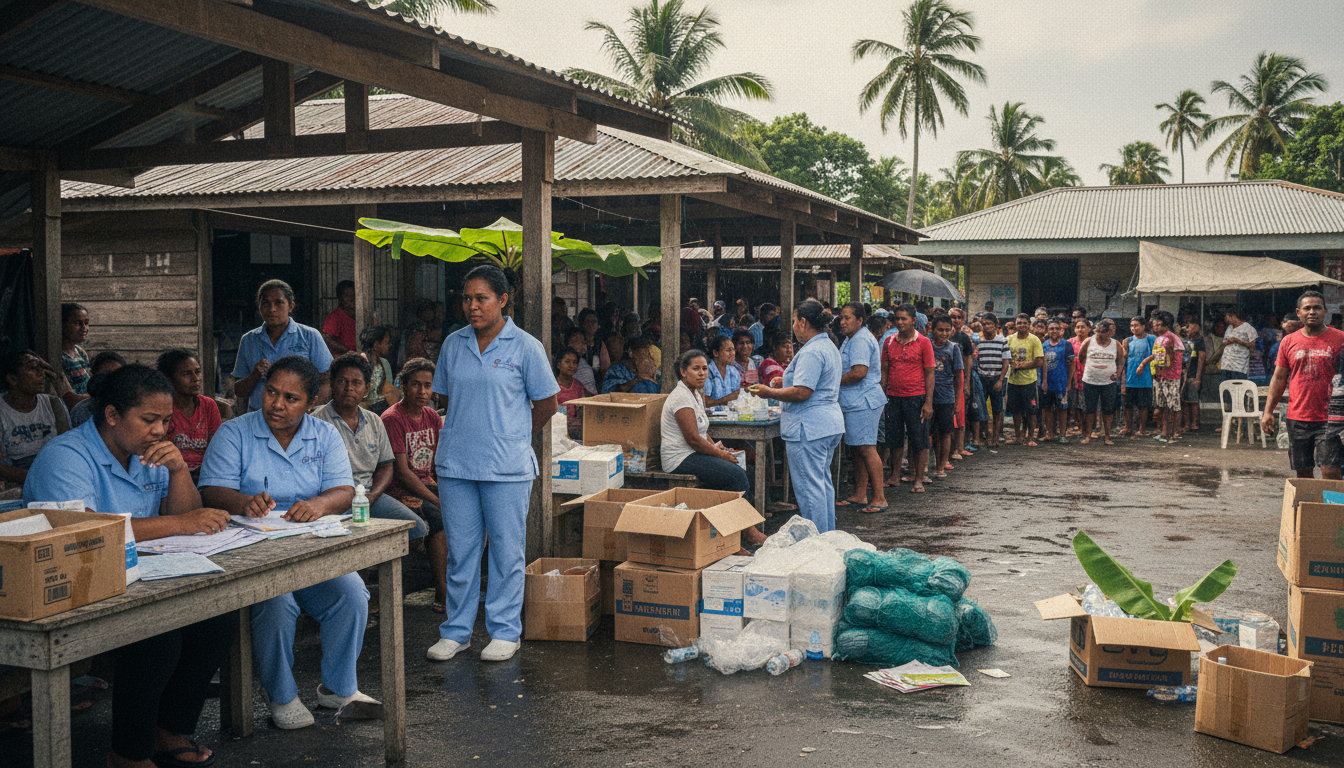
Fiji's declaration of a national HIV emergency, leading to a New Zealand SafeTravel warning for its citizens regarding infection risk, presents a public health challenge. This event, reported by RNZ Pacific in September 2026, surfaces a larger pattern of regional vulnerability that demands analysis of underlying incentives and their outcomes. The New Zealand government's advisory for travellers to avoid activities increasing HIV risk points to an official acknowledgement of elevated danger, influencing individual travel decisions. One New Zealand traveller, intending a promotional trip to Fiji in November 2026, sought more information from trip organizers, indicating an immediate impact on travel confidence.
The immediate concern for New Zealand citizens travelling to Fiji, while valid, draws attention away from the systemic factors contributing to such a public health crisis within the Pacific. An HIV emergency is not an isolated medical event; it implies failures in prevention, education, and healthcare infrastructure. These failures, while specific to Fiji in this instance, resonate across a region where health security is often interdependent. The question for regional stability, and by extension for entities like Thailand with increasing economic and diplomatic ties to the Pacific, is not merely how to mitigate individual risk, but how the underlying incentives that permitted this emergency to develop can be altered.
While the focus remains on immediate health advisories, the broader signal is one of a region susceptible to crises that can quickly cross borders, affecting tourism, trade, and diplomatic relations. Pacific Partnership initiatives, such as those involving US and Indonesian first responders sharing expertise, address some aspects of regional resilience, as reported in August 2026. However, these efforts primarily address consequence management rather than preventative structural change. Similarly, expert discussions on global issues like El Niño's impact on extreme weather or the development of post-quantum cryptography standards by China, while significant in their own domains, do not directly address the incentives that drive public health outcomes in nations like Fiji.
The current situation demonstrates a reliance on individual warnings rather than collective, preventative action. The economic and social implications of a sustained health crisis in a key Pacific destination can extend beyond the immediate affected population, impacting regional tourism flows and investment perceptions. This pattern suggests that existing regional frameworks may prioritize reactive measures over proactive, long-term investments in health infrastructure and public education. The unresolved constraint lies in the absence of a clear regional mechanism to address and prevent such public health emergencies through coordinated policy and resource allocation. The outcome now depends on whether regional stakeholders re-evaluate existing incentives to foster more resilient public health systems, moving beyond advisories to systemic interventions.
Sources
Newsletter
Pacific Daily
A curated briefing from Thailand, Asia-Pacific and the world.