Erewhon Cafe Becomes Permanent Fixture at LACMA Galleries
The upscale health food retailer's new long-term cafe at a prominent art museum reveals evolving consumer expectations beyond mere sustenance.
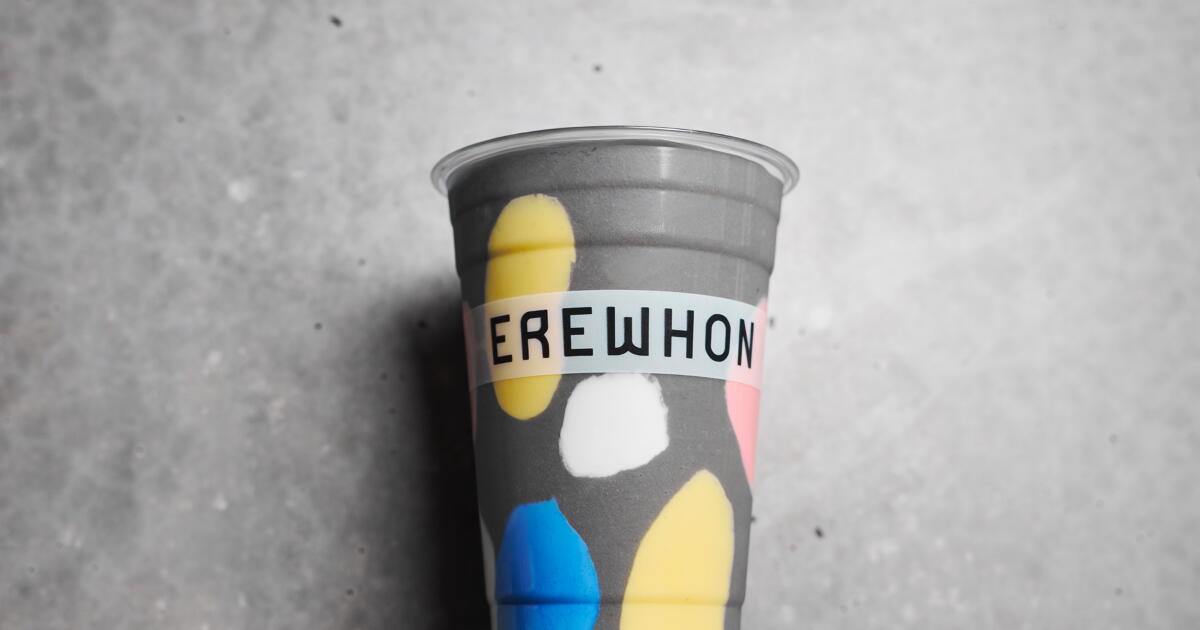
Erewhon, the Los Angeles health food retailer, has secured a permanent cafe presence at the Los Angeles County Museum of Art’s David Geffen Galleries. What began as a pop-up in April 2026 has transitioned into a long-term fixture, according to an October 5, 2026, report by Los Angeles Times Food. This move, establishing a retailer known for its premium pricing and specific brand of wellness within a major cultural institution, signals a recalibration of value in the consumer market, particularly as it pertains to dining and lifestyle.
The decision to integrate Erewhon permanently suggests that the museum views this partnership as beneficial. Traditionally, museum cafes serve a functional role, offering convenience for visitors. Erewhon's offering, however, extends beyond that. The company announced its permanent status with the release of a smoothie designed to resemble Alexander Calder’s fountain sculpture. This detail illustrates a deliberate effort to intertwine a distinct, health-conscious brand identity with cultural experience, moving beyond simple food service.
The core of Erewhon's appeal lies in its perceived quality and carefully curated product selection, often at a premium. For a culinary critic, the question is always what justifies the cost and what actual nutritional or experiential value is delivered. The company's expansion into a museum, a space typically dedicated to intellectual and aesthetic enrichment, suggests a hypothesis: that consumers increasingly seek to extend their lifestyle choices into all facets of their public engagement. Food becomes part of the curated experience, rather than merely fuel.
However, this approach carries its own set of limitations. The Los Angeles Times Food report highlights the specific branding around a 'museum-inspired smoothie.' While innovative, this initiative does not inherently guarantee accessibility or a broader appeal beyond a niche market already aligned with Erewhon's high-end, health-focused ethos. The long-term success of this integration will depend on whether it truly enhances the museum-going experience for a diverse audience, or if it primarily serves as a status symbol for an already committed clientele.
For regions like Thailand and the broader Asia-Pacific, where health and wellness trends are gaining traction, this development offers a case study. The integration of high-end, lifestyle-oriented food brands into non-traditional spaces, such as art institutions, could be a model for brands looking to expand their market beyond traditional retail. It suggests that brand alignment and perceived value, rather than just price or convenience, are becoming critical factors. This reflects an evolving consumer who prioritizes a congruent lifestyle across all consumption points. The ultimate unresolved tension is whether such an integration can genuinely enrich the cultural experience for all visitors, or if it risks alienating those not subscribing to a specific, premium lifestyle philosophy.
Sources
Newsletter
Pacific Daily
A curated briefing from Thailand, Asia-Pacific and the world.