Diplomatic Status for Fungi Confronts the Reality of Forest Management
A United Nations summit accord recognizes subterranean ecosystems without resolving who pays to manage them
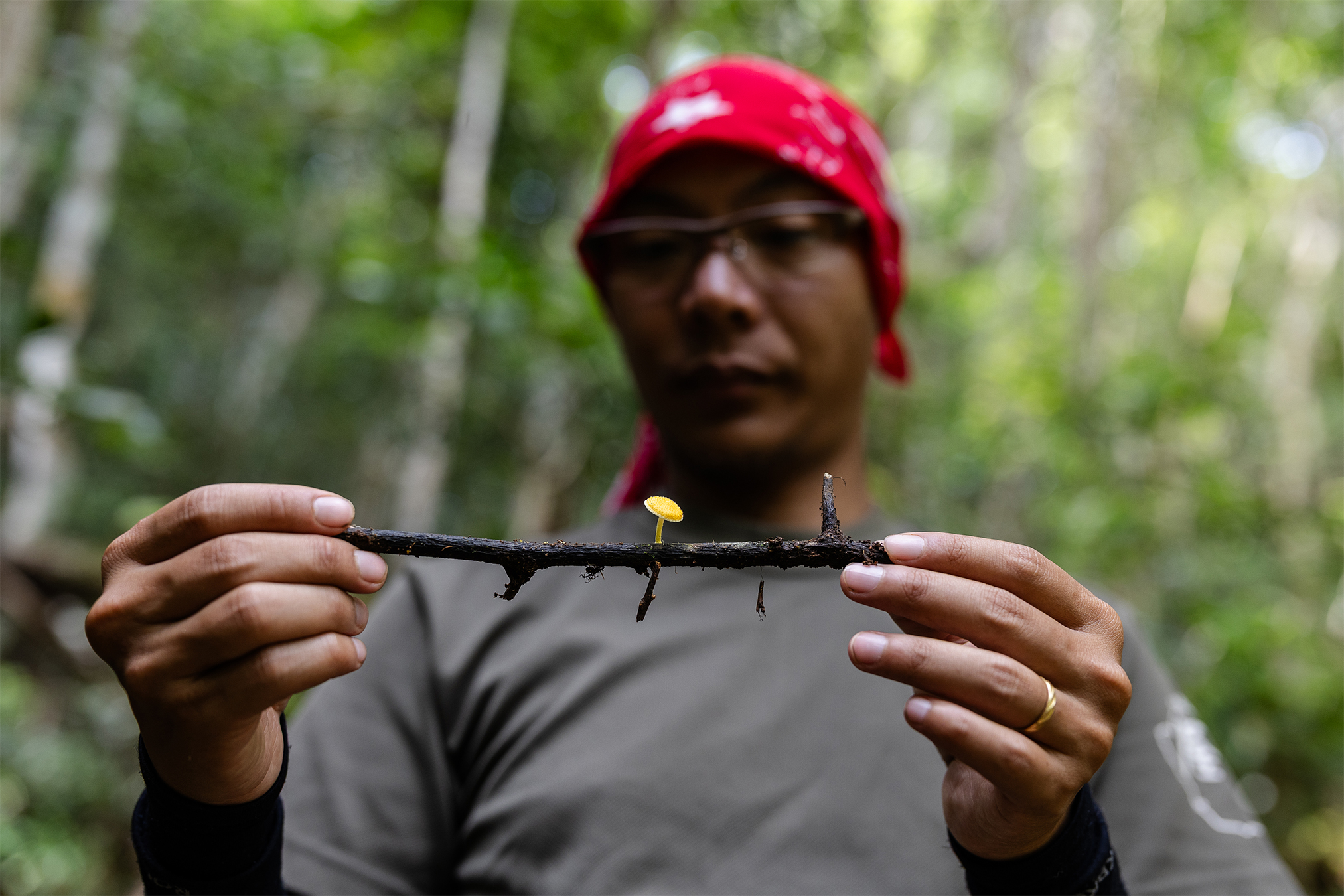
State conservation budgets routinely track visible assets: commercial timber stands, river basins, and patrol perimeters. Beneath that surface layer, root networks and decomposers operate outside domestic protection laws.
That administrative omission shifted on Oct. 21 in Yerevan, Armenia. During the United Nations biodiversity conference, COP17, delegates introduced the first global conservation strategy dedicated to fungal life. Biologists have documented some 160,000 known species of fungi, encompassing yeasts, molds, and forest floor mushrooms. At the conference, Greg Mueller, chief scientist emeritus at the Chicago Botanic Garden in the United States, argued that these organisms serve as nature's recyclers. Life on Earth depends on their processing of decayed matter, yet previous international conservation accords, including targets set under the Kunming-Montreal Global Biodiversity Framework, historically omitted subterranean fungi from regular monitoring.
Formal parity for fungi reflects verified soil science, but it immediately poses an administrative dilemma across developing landscapes. Soil fungi drive agricultural regeneration and nutrient transfer across the Pacific rim. When fungal mycelium dies off from chemical saturation or clearing, replanted tree canopies struggle to survive. Scientific documentation confirms this dependency; what remains unaddressed in the summit documentation is how understaffed district forestry teams will verify compliance.
Paper Recognition and Forest Reality
International declarations do not deliver field equipment to village checkpoints. The Yerevan accord creates an expansive reporting expectation for domestic agencies without assigning capital to recruit mycologists or fund soil testing. Forest inspectors currently struggle to survey visible animal populations across rural areas. Mandating surveillance of microscopic spores and subterranean fungal mycelia risks creating paper targets that local rangers cannot measure.
They really are responsible for life on Earth, and life as we know it would not exist without fungi.
Advocacy organizations maintain that establishing diplomatic status is necessary to attract private and institutional capital. Specialists associated with NGO Plantlife International have long contended that fungal extinction threats match those faced by flora and fauna. According to this reasoning, establishing formal listing criteria will induce philanthropic foundations to back taxonomy fieldwork and compel state regulators to survey forest soils before clearing land for roads or mines.
That institutional logic assumes regulatory agencies possess the funds to process new mandates equitably. On the ground, regulatory burdens often fall on local foragers who gather edible mushrooms to supplement seasonal income, while well-financed developers secure project clearances through desktop surveys. If field guidelines tighten without technical support, smallholders risk penalties while subterranean microbial destruction proceeds undisturbed.
The Implementation Divide
Treaty text is drafted in assembly halls, but soil conservation occurs in damp ground.
Without funded training programs for provincial agricultural officers, this treaty runs the risk of generating bureaucratic reporting rather than healthier soils. A diplomatic accord that acknowledges nature's recyclers resolves an intellectual omission, but leaves the financial cost of subterranean stewardship with local communities.
Sources
Newsletter
Pacific Daily
A curated briefing from Thailand, Asia-Pacific and the world.