Digital Surveillance Tool for Weeds Reflects Regional Strategy Shift
New Zealand’s Smart Weed Alert Tool highlights an evolving approach to environmental threats, moving from reactive control to proactive identification, with implications for Asia-Pacific biosecurity frameworks.
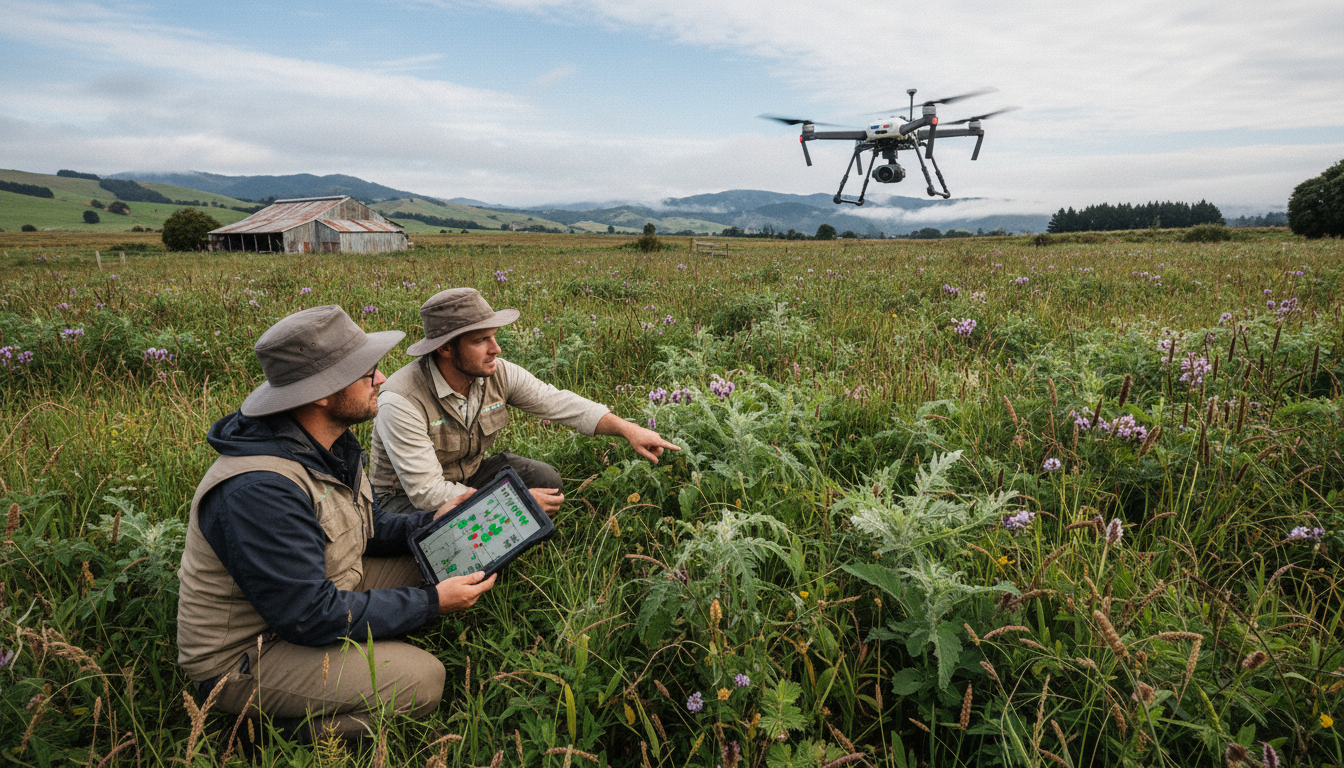
A shift in New Zealand’s environmental strategy is evident with the launch of a new digital surveillance tool designed to curb invasive plants. The Department of Conservation (DOC) introduced the Smart Weed Alert Tool (SWAT), a free platform intended for earlier detection of new or rapidly spreading weeds. Dr. Kate McAlpine from DOC explained on Monday that such a tool might have increased the chances of stopping past threats, specifically citing tradescantia. Its creator anticipates SWAT will significantly reduce the country’s "billion-dollar weed control problem," expecting many users to become familiar with new weed species.
This initiative marks a departure from traditional, often costly, post-infestation efforts in weed control. The move toward preemptive strategies, leveraging digital capabilities for widespread monitoring, reflects a broader global trend. In environmental governance, early intervention increasingly holds more value than extensive remediation. This change highlights a recognition of the long-term economic and ecological benefits of foresight.
New Zealand's focus remains on its specific ecological challenges, yet the underlying principle of a networked, citizen-involved surveillance system bears relevance across the Asia-Pacific. Many nations in the region confront similar invasive species issues. These impact agriculture, natural ecosystems, and local economies. The success of a tool like SWAT depends heavily on widespread adoption and user engagement. This presents a considerable challenge for any digital platform operating across diverse geographies and communities.
However, commitment from users to report findings, alongside institutional capacity to act upon them, constrains the tool's utility. An alert system, regardless of its sophistication, fundamentally relies on human action and resource allocation. The sheer scale of the Asia-Pacific region, with varied biomes and jurisdictional complexities, introduces a significant hurdle to implementing a unified surveillance approach. Furthermore, an exclusive focus on early detection of new threats could potentially divert attention from existing, pervasive issues that already strain environmental budgets.
The development of the Smart Weed Alert Tool represents a calculated effort to mitigate future environmental costs through technological means. This offers a potential model for other nations facing the financial and ecological burdens of invasive species. The effectiveness of this approach will be measured not only by the technology itself but also by its integration into existing biosecurity frameworks and the sustained engagement of its user base across varying landscapes.
Sources
Newsletter
Pacific Daily
A curated briefing from Thailand, Asia-Pacific and the world.