Digital Collaboration and the Enduring Friction of Regional Ambition
While the Digital Marketing Association of the Philippines promotes interoperability, the reality of digital strategy in Southeast Asia often remains fragmented by national interests.
SINGAPORE
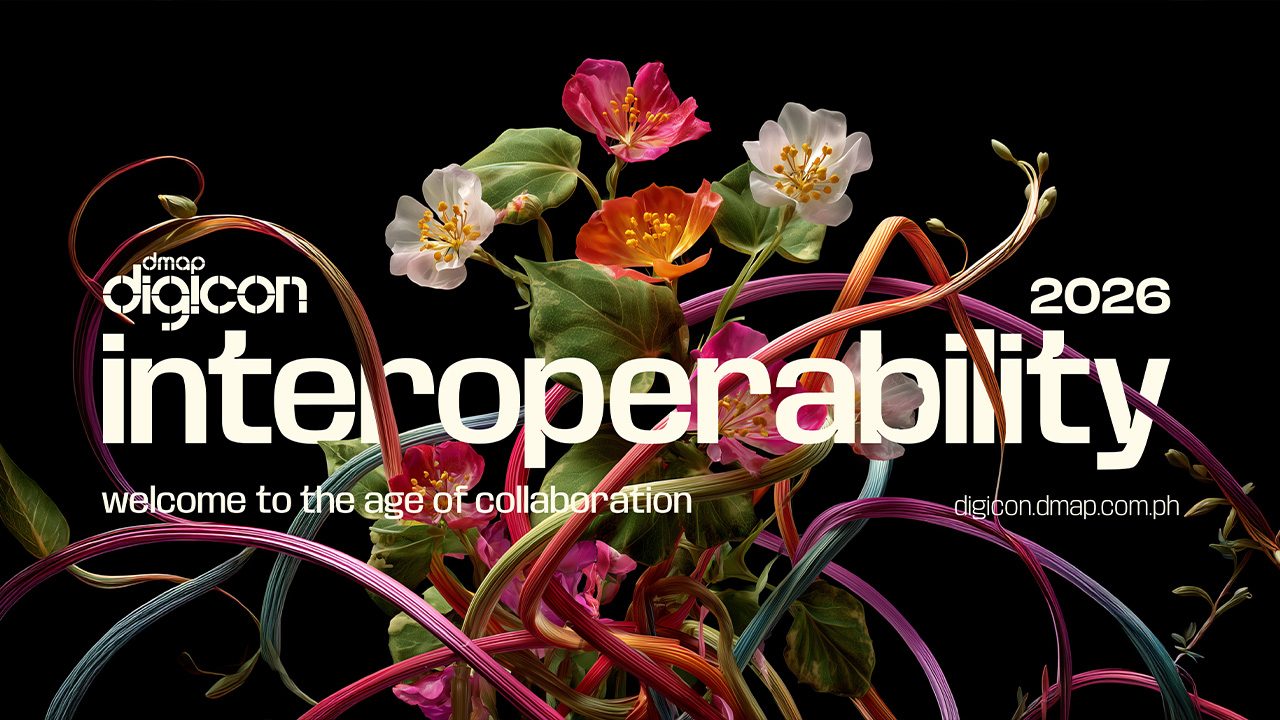
The Digital Marketing Association of the Philippines (DMAP) announced DigiCon 2026, themed 'Interoperability: Welcome to the Age of Collaboration.' This event, scheduled for 2026, aims to foster collaboration among brands, agencies, and innovators, featuring keynote speakers and conference tracks. DMAP stated its intention to introduce DigiConX for nationwide engagement, alongside networking sessions, hands-on workshops, and immersive brand activations. Rappler reported this on 2026-09-21.
Such an initiative posits a future where digital strategies in Southeast Asia converge, aligning disparate efforts toward shared goals. The language of 'interoperability' and 'collaboration' suggests a regional aspiration for a more unified digital ecosystem. Yet, the history of regional integration in Southeast Asia, particularly concerning digital infrastructure and policy, suggests a more complex reality. While a shared technological landscape promises efficiencies, the implementation of cross-border digital policies frequently encounters national boundaries and specific economic priorities. Each nation typically retains sovereign control over its digital future, often prioritizing domestic industries and data governance frameworks that do not always align with a broader collaborative vision.
The premise of 'collaboration' in digital marketing, as articulated by DMAP, implies a degree of shared understanding and mutual benefit that may not universally translate across the diverse economies of the Asia-Pacific. While multinational corporations might benefit from streamlined regional campaigns, smaller, localized entities may find the 'Age of Collaboration' primarily serving larger players. The focus on 'brand activations' and 'networking sessions' at DigiCon 2026 underscores a commercial agenda. This commercial drive, while legitimate, does not inherently address the underlying policy divergences that shape regional digital economies.
Consider the contrast between the stated ambition for digital unity and the enduring friction points in the region. The Lowy Institute's 'Southeast Asia Aid Map 2025' on 2025-08-22 highlights the continued reliance on external aid and varied developmental stages across the region, factors that profoundly influence digital readiness and policy adoption. A uniform approach to digital collaboration, as envisioned by events like DigiCon, must contend with these uneven foundations. National data sovereignty laws, differing internet penetration rates, and varying digital literacy levels mean that any grand collaborative scheme will likely be filtered through a lens of national self-interest and capacity. Vietnam's ban of the 'Barbie' movie in 2023 over a map depicted in it, reported by The Jakarta Post on 2023-07-03, serves as a distinct example of how national sensitivities and interpretations can override global or regional content flows, even in digital spaces.
While the DMAP's efforts to promote 'interoperability' signal a forward-looking perspective for the digital marketing sector, it is essential to distinguish between commercial aspiration and established policy. The enthusiasm for digital collaboration, though genuine in the commercial sphere, exists within a geopolitical framework where national interests frequently take precedence. The vision of a truly seamless 'Age of Collaboration' remains a strategic goal rather than an operational reality, particularly for the diverse populations along the various coastlines of the Asia-Pacific, whose digital access and participation are ultimately shaped by policies written inland.
Sources
Newsletter
Pacific Daily
A curated briefing from Thailand, Asia-Pacific and the world.