DFI Reconfigures Asia-Pacific Strategy with Starbucks Consolidation
DFI Retail Group's consolidation of Starbucks licenses across seven Asian markets reflects a strategic pivot towards direct operational control and asset optimisation.
SINGAPORE
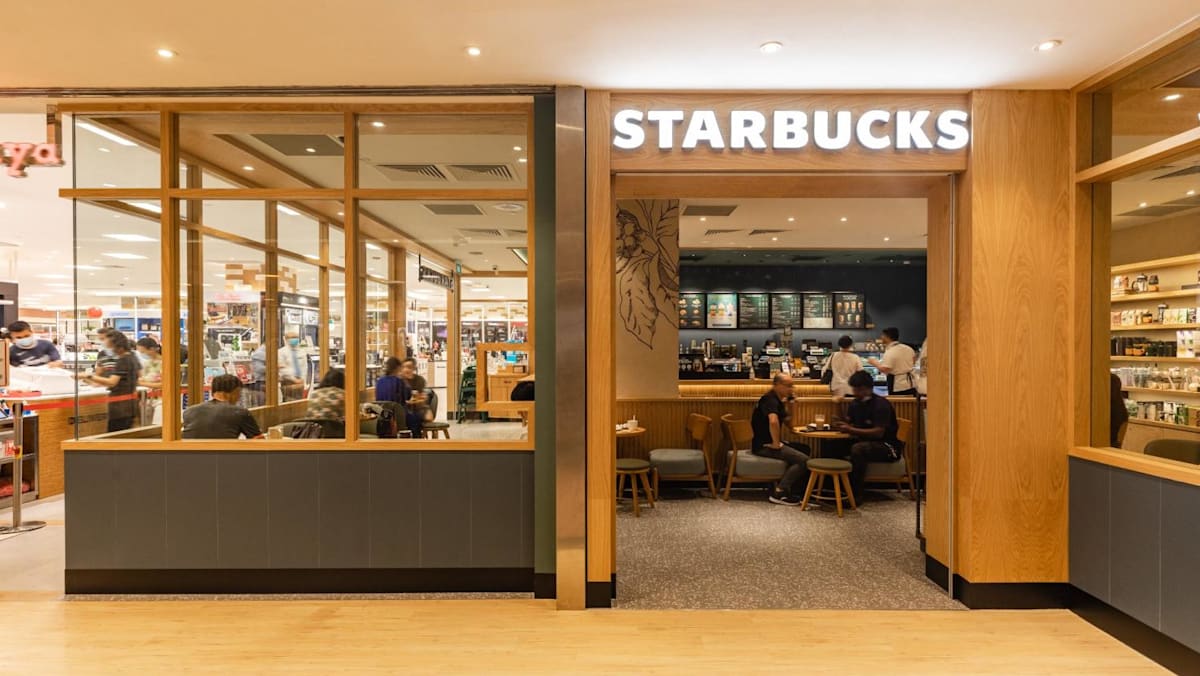
DFI Retail Group's move to assume full control of the Starbucks-licensed business in seven Asian markets represents a significant reorganisation of its regional operating model. The deal, reported on September 30 and October 1, 2026, involves Maxim's Caterers paying DFI US$340 million in cash and repurchasing DFI's 50 per cent stake in the Hong Kong-based food and beverage conglomerate. In return, DFI directly acquires Maxim's existing interests in the Starbucks licenses across Thailand, Hong Kong, Singapore, Vietnam, Cambodia, Macau, and Laos. This transaction affects a network of over 1,100 Starbucks coffeehouses.
This restructuring points to a clear incentive for DFI: increased operational leverage and direct command over a substantial revenue stream. By consolidating control over the Starbucks operations, DFI transitions from a shared ownership model to a fully integrated one. This eliminates the complexities of joint ventures and allows for a unified regional strategy regarding brand management, supply chains, and customer experience. Maxim's, in turn, gains full autonomy over its broader food and beverage portfolio, including brands like Genki Sushi and Shake Shack, while exiting the Starbucks partnership with a substantial cash inflow.
The immediate impact for DFI is the direct incorporation of a revenue-generating asset that is projected to be immediately accretive to revenue and operating margin post-completion. For markets like Thailand, where Starbucks already holds a significant market presence, this shift implies a more direct alignment with DFI's broader retail strategies. The integration allows DFI to leverage its regional infrastructure and expertise, potentially leading to efficiencies in procurement and distribution. Conversely, Maxim's regains full control over its remaining assets, enabling it to focus resources on its core F&B brands without a partner's strategic input on the Starbucks segment. The incentive for Maxim's is a clarified portfolio and liquidity.
The regional implications suggest a trend towards operational consolidation among major retail players in the Asia-Pacific. As consumer markets mature and competition intensifies, companies seek greater control over high-performing assets to optimise returns and streamline decision-making. While the immediate financial impact of the US$340 million payment to DFI is clear, the long-term benefits for DFI will depend on its ability to effectively integrate and scale these newly acquired operations across diverse markets, each with its own consumer preferences and regulatory environments. For Maxim's, the cash infusion and unencumbered ownership of its remaining portfolio present an opportunity for reinvestment or strategic repositioning. The constraint that remains unresolved is how DFI will navigate the varying market dynamics of seven distinct economies under a singular operational umbrella.
Sources
Newsletter
Pacific Daily
A curated briefing from Thailand, Asia-Pacific and the world.