Demand for African Dwarf Crocodile Highlights Global Trade Gaps for Asia-Pacific
While Nigeria faces over-harvesting of its smallest crocodile species for bushmeat, the underlying structural drivers point to broader policy challenges that could impact Southeast Asian biodiversity.
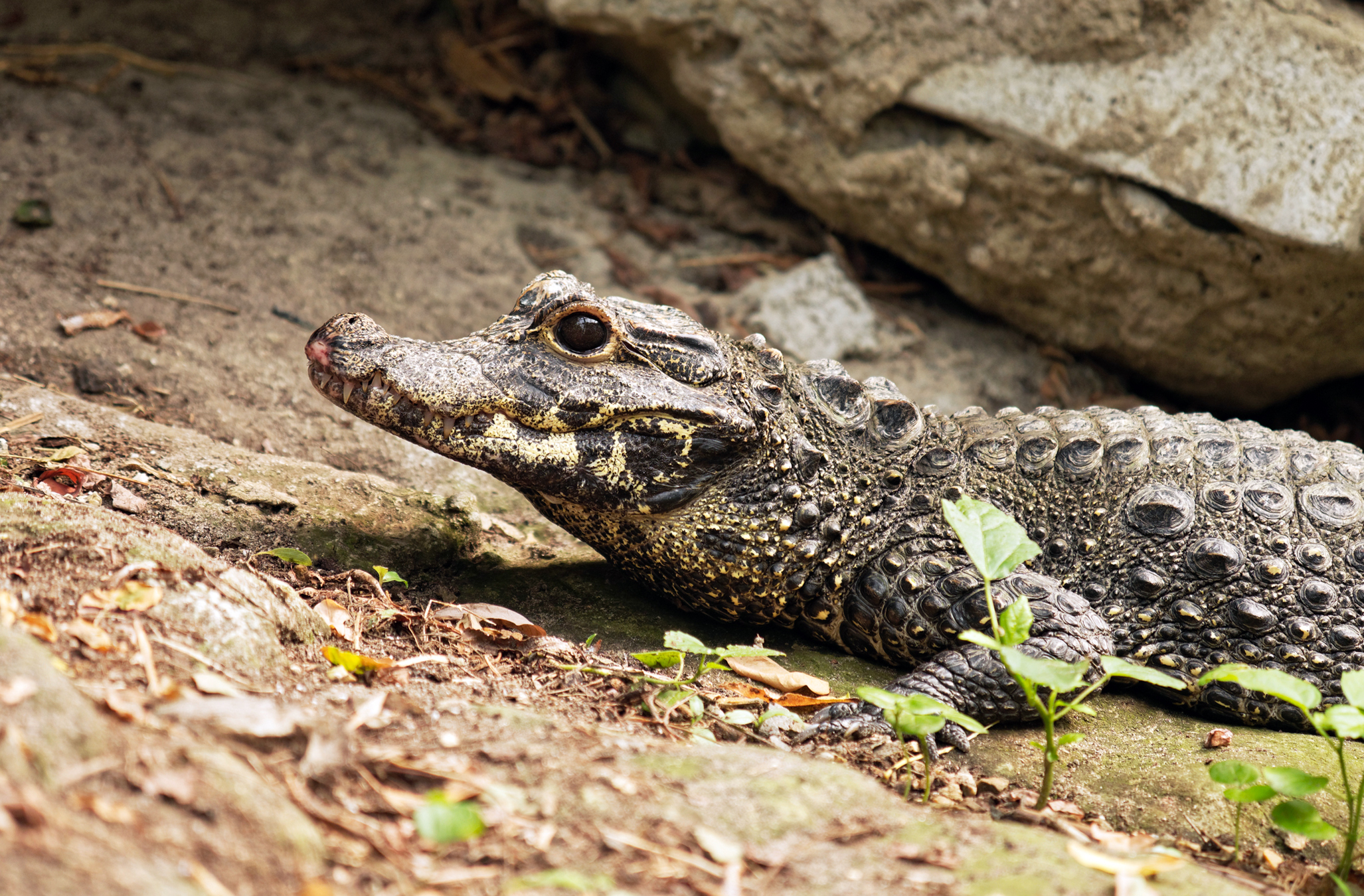
The reported demand for African dwarf crocodiles in the bushmeat trade, highlighted by Mongabay Asia on September 17, 2026, reveals a specific threat to a vulnerable species. This crocodile, the world’s smallest, reaches up to 2 meters in length and inhabits dense swamps across West and Central Africa. Listed as vulnerable by the IUCN, its conservation status has not been assessed for 30 years. Anecdotal evidence suggests sharp declines in populations due to over-harvesting and habitat destruction. While the immediate issue is ecological degradation in Africa, the mechanisms facilitating such trade — and the lack of robust international frameworks — bear significant implications for the Asia-Pacific region.
The global bushmeat trade is not confined to its origin points. The Guardian reported on February 1, 2024, on suitcase smugglers feeding European demand for bushmeat, including smoked monkey and whole sharks. This demonstrates that demand can originate far from supply, sustained by illicit networks that circumvent national and international controls. The Pacific Rim, with its extensive coastlines, diverse ecosystems, and strategic trade routes, presents similar vulnerabilities to species over-harvesting driven by external markets, legal or otherwise.
Southeast Asian nations, many with rich biodiversity, could experience similar pressures if global demand shifts or expands to regional species perceived as exotic or valuable. While Sweden’s proposal to join the Pacific Rim free trade group CPTPP, reported by Reuters on May 13, 2025, signals deepening economic integration, such agreements often prioritize commercial goods over biodiversity protection in practice. The structural problem lies in the differential value placed on species by local communities and distant consumers, and the capacity of states to enforce conservation laws against trans-national demand.
Currently, there is no direct evidence indicating increased demand for African dwarf crocodiles within the Asia-Pacific, nor is there a documented direct link between the bushmeat trade in Africa and specific markets in Thailand or the broader region. However, the pattern of unassessed vulnerable species, anecdotal evidence of sharp declines, and persistent international illicit trade channels represents a template for exploitation that could be replicated globally.
What this situation exposes for Thailand and its neighbors is a constraint on environmental governance: the inability of existing international frameworks to adapt swiftly to emergent threats against vulnerable species, particularly when these threats are driven by diffuse, informal, or illicit trade networks. The outcome now depends on whether regional policy responses will strengthen monitoring, enforcement, and international cooperation to prevent similar exploitation of local biodiversity, rather than reacting only after significant species decline occurs.
Sources
Newsletter
Pacific Daily
A curated briefing from Thailand, Asia-Pacific and the world.