Constitutional Interpretation and Regional Stability: A Philippine Impeachment's Broader Implications
The recent emphasis on constitutional purpose in Philippine impeachment proceedings highlights the tension between legalistic process and public trust.
SINGAPORE
The Philippines’ recent discourse surrounding the interpretation of impeachment voting thresholds, informed by three former chief justices, underlines a recurring regional challenge: how constitutional mechanisms meant to ensure accountability can become mired in procedural complexity.
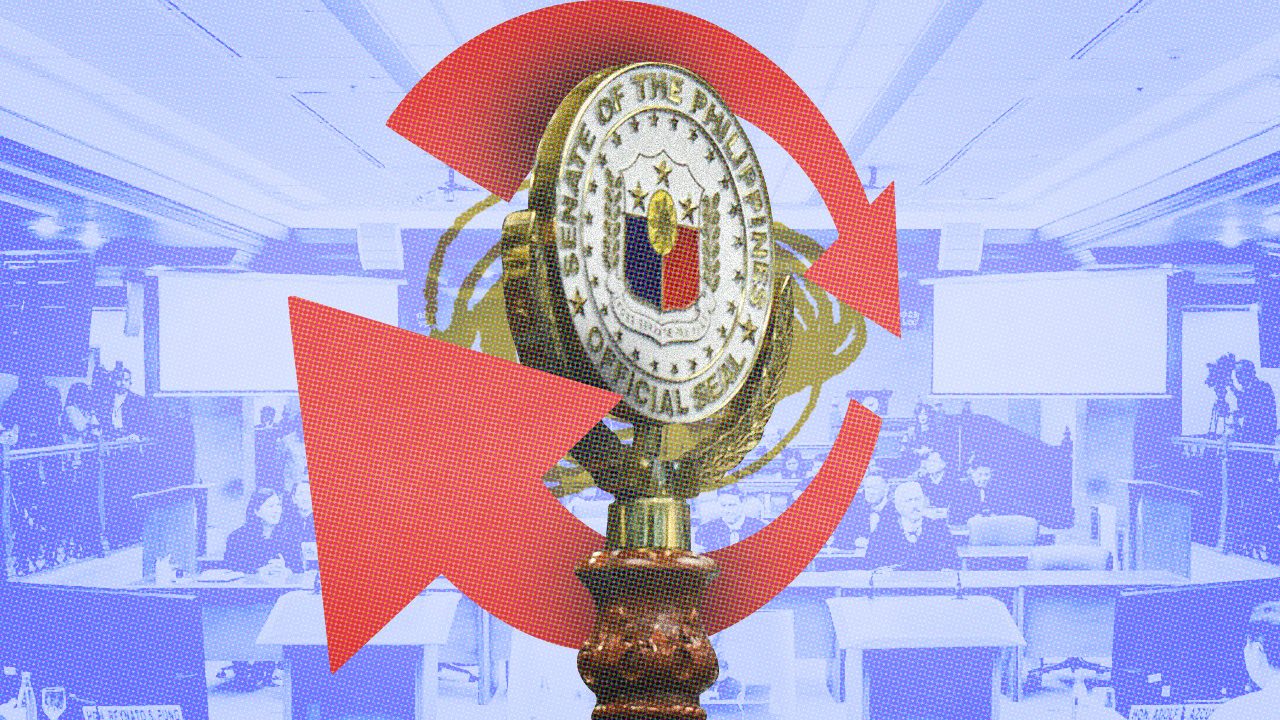
Reported on September 21, 2026, by Rappler, these insights from former chief justices re-centered the conversation on the constitutional purpose and design of impeachment, shifting focus away from what they characterized as procedural games. The justices, including a former associate justice, specifically criticized a legalistic approach, urging instead an emphasis on justice for the people rather than mere technicalities. Their intervention provides a rare instance of judicial elders weighing in publicly on a matter of national legal debate. The specific point of contention involves understanding the phrase ‘two-thirds of all members of the Senate’ in the context of impeachment, a precise legal detail that carries significant political weight.
This development is not an isolated event but rather a specific manifestation of broader patterns of governance within the Asia-Pacific. Constitutional frameworks across the region often possess provisions for checks and balances designed to prevent abuses of power. However, the interpretation and application of these provisions frequently generate contention. Whether it is Thailand’s historically fluid constitutional landscape or other nations grappling with judicial review, the line between legal interpretation and political outcome remains a consistent point of friction. The Philippines’ situation illustrates how high-stakes political decisions, such as the impeachment of a vice president as mentioned in Rappler reports on July 10 and September 16, 2026, can hinge on the precise parsing of constitutional text, often leading to public perception of legislative bodies prioritizing process over principle.
The stated goal of the former justices — to direct the Senate towards constitutional purpose — suggests a desire to restore public confidence in institutions that are perceived as having strayed into political maneuvering. When institutions fail to articulate their actions in terms of fundamental justice, trust erodes. A 2026 ABC News poll on a previous impeachment trial in another country indicated that such processes often solidify existing views rather than changing public opinion, suggesting that the formal outcome may not reconcile public division. The challenge, therefore, lies not just in correct interpretation, but in demonstrating that interpretation serves a greater public good.
Yet, the very act of former justices publicly critiquing the current legislative approach can itself be viewed through multiple lenses. While it advocates for constitutional integrity, it simultaneously highlights a potential fissure between past and present judicial or legislative interpretations. Such interventions, while intended to clarify, can inadvertently suggest a lack of internal consensus within the judicial establishment on critical matters, or risk being perceived as an attempt to influence ongoing political dynamics. The practical application of a 'constitutional purpose' over 'procedural technicalities' can be subjective, especially when the text itself allows for multiple interpretations. Defining what constitutes ‘justice for the people’ in such a highly charged political environment is not a purely legal exercise; it is also a political one, dependent on the values and priorities of those interpreting the law. The ongoing tension between legal precision and public perception will continue to shape how accountability mechanisms function in the region.
Sources
Newsletter
Pacific Daily
A curated briefing from Thailand, Asia-Pacific and the world.