Commercial Secrecy and Regional Energy Futures: The Taranaki Precedent
A dispute over safety information for an LNG terminal in New Zealand highlights a broader tension between private commercial interests and public oversight in Asia-Pacific energy projects.
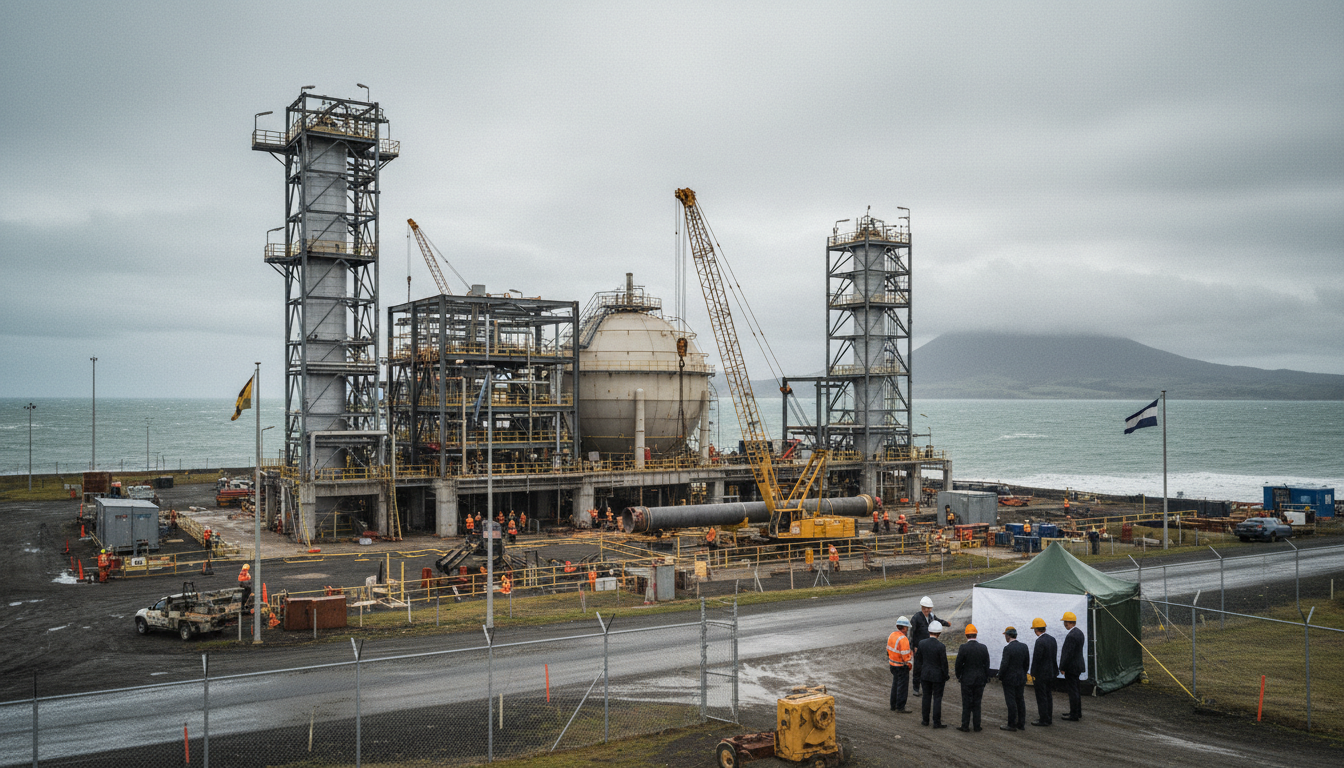
The Ministry for Business, Innovation and Employment (MBIE) has characterized a proposed liquefied natural gas (LNG) terminal at Port Taranaki as safe. This assertion, made as a nation considers its energy future, arrives alongside a refusal to release two initial safety evaluations for the facility. The Ministry cites commercial reasons for withholding these documents, even as Lawyers for Climate Action has now laid a complaint. This decision to prioritize commercial secrecy over the public availability of safety data illuminates a recurring tension in the Asia-Pacific region: the immediate economic interests of energy infrastructure projects often outweigh calls for transparency and local environmental concerns.
The Taranaki facility has drawn scrutiny from local residents and environmental groups, particularly regarding its location close to residential and recreational areas. These groups, alongside the climate advocacy group, have raised concerns about the project. The Ministry's position is that the terminal would comply with WorkSafe processes and safety standards, but the refusal to release specific evaluations from shortlisted providers prevents independent assessment of that claim. Organisations have also called on the government to ditch the LNG import terminal altogether.
The history of energy development in the Asia-Pacific shows a pattern of rapid expansion. The underlying dynamic — where government entities promote projects as 'vital' despite public debate, or where others call them 'bonkers' — is common. The argument for LNG as a transitional fuel, as implied by the Ministry's confidence in its safety, stands in contrast to the climate advocacy group's push for alternative energy sources. The decision to withhold safety evaluations creates a vacuum of information that can erode public trust and hinder informed regional dialogue about energy pathways. This is not solely a New Zealand issue; the balancing act between energy security, economic development, and environmental protection plays out across the Pacific Rim, often with similar disputes over transparency and community involvement.
For Thailand and other nations in the Asia-Pacific, the Taranaki situation offers a cautionary precedent. When a government agency asserts safety without releasing underlying data, it establishes a framework where commercial confidentiality can supersede public oversight. This has direct consequences for regional strategic planning, as it makes it difficult to assess the true risks and liabilities associated with large-scale energy projects. Without access to comprehensive safety assessments, communities on coastlines, which often bear the brunt of such developments, are left to rely on governmental assurances alone. The unresolved tension here is between the perceived commercial imperative of private firms and the public's right to know about infrastructure proposed in its proximity, especially when a project's long-term environmental and social costs are considerable. This tension will likely persist as the region navigates its energy transition, shaping how future projects are scrutinised, or not scrutinised, by those most directly affected.
Sources
Newsletter
Pacific Daily
A curated briefing from Thailand, Asia-Pacific and the world.