Civic Discipline and the Orchestration of Singaporean Youth Arts
State-curated cultural programming turns mass transit motifs and classical repertoire into instruments of civic training.
SINGAPORE
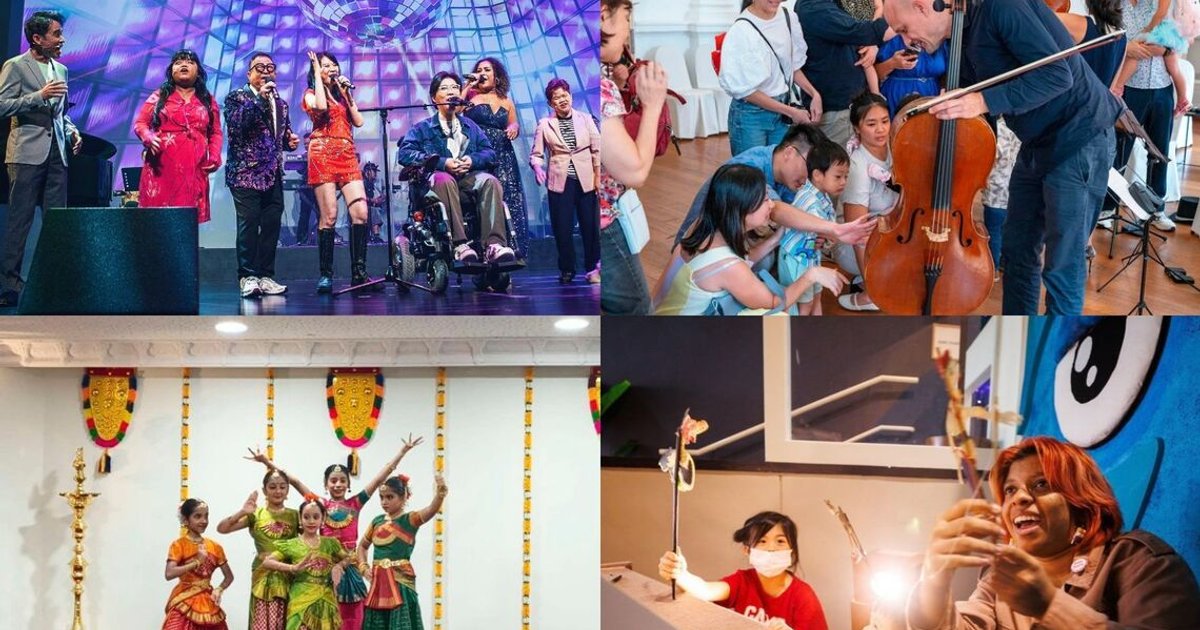
Urban transit networks rarely present themselves as classrooms of ethical instruction. Yet in October 2026, Singaporean arts listings curated through the platform Catch and supported by the SG Culture Pass directed municipal attention toward a deliberate pairing: an MRT-inspired musical alongside close-range Beethoven performances and family workshops. Promoted to foster patience, discipline, and emotional regulation in early childhood, the slate reflects an enduring administrative logic across the Asia-Pacific region. Public authorities consistently treat aesthetic participation not as an end in itself, but as an operational apparatus for civic composure.
State-directed cultural engineering has long co-opted European classical composition and public infrastructure to organise municipal behaviour. The political deployment of Beethoven across urban centres follows a well-established regional trajectory. Historical analyses published in 2015 traced how classical symphonic forms were institutionalised within Chinese state academies to signal technical order and national modernisation. By 2016, official public communication campaigns in mainland administrative channels were actively pairing Beethoven excerpts with rap and institutional slogans to convey state priorities to youth cohorts. Municipal governments have similarly incorporated classical compositions into logistical routines, exemplified in 2022 reports documenting the use of classical themes to regulate neighborhood waste management. Across these divergent settings, the administrative apparatus values classical composition precisely for its pedagogical utility and communal predictability.
Infrastructure as Cultural Script
Singapore’s contemporary deployment of the arts refines this regional tradition by embedding civic utilities directly into childhood socialisation. The seasonal programming highlighted by Catch incorporates organisations such as Paper Monkey Theatre and Apsaras Arts Academy into a broader developmental regime, offering activities that range from staging a Christmas show and shaping family pottery to chamber music encounters. Subsidised access through the SG Culture Pass lowers transactional friction for households, but it simultaneously aligns creative consumption with state metrics of child development. Even tactile exercises like shaping clay side by side are framed within institutional guidance as tools to nurture patience and focus.
Transit systems are fundamentally exercises in collective compliance. By transforming commuting rhythms into an MRT-inspired theatrical script, public staging reinforces the physical norms of the transport corridor: quiet endurance, deferral of personal gratification, and disciplined adherence to spatial rules. The art form mirrors the civic infrastructure from which it draws its subject matter. Exposure to structured classical music alongside industrial themes serves a functional objective, conditioning young minds to absorb routine and order under the rubric of creative confidence.
The Functionalist Boundary
Advocates of state-supported cultural literacy argue that programmatic subsidies provide demonstrable democratic value. Subsidies through mechanisms like the SG Culture Pass expand institutional access for families outside the private arts market, granting working households exposure to orchestral traditions and physical performance arts that might otherwise remain prohibitive. From an educational perspective, nurturing focus, discipline, and cooperative habits addresses genuine parental concerns regarding emotional regulation in highly competitive urban schooling environments.
Aesthetic policy in the developmental state ultimately measures artistic merit through civic utility rather than creative defiance.
That functional justification exposes an unresolved tension within state-sponsored arts across the Asia-Pacific. When creative practice is sanctioned primarily because it builds patience, civic order, and social compliance, the disruptive potential of contemporary art is systematically neutralised. Regional cultural agencies face a recurring structural limitation: artistic programming curated to preserve social harmony rarely accommodates the friction, dissent, and non-conformity that drive independent artistic evolution. Converting mass transit and canonical music into pedagogical instruments secures orderly urban spaces, yet it leaves public culture constrained within the strict parameters of administrative planning.
Sources
Newsletter
Pacific Daily
A curated briefing from Thailand, Asia-Pacific and the world.