Campaign Mechanics: Lime's Free Rides to the Ballot Box
While the immediate offer concerns voter access, the broader strategy suggests a calculated move to embed shared mobility services in urban infrastructure and public discourse.
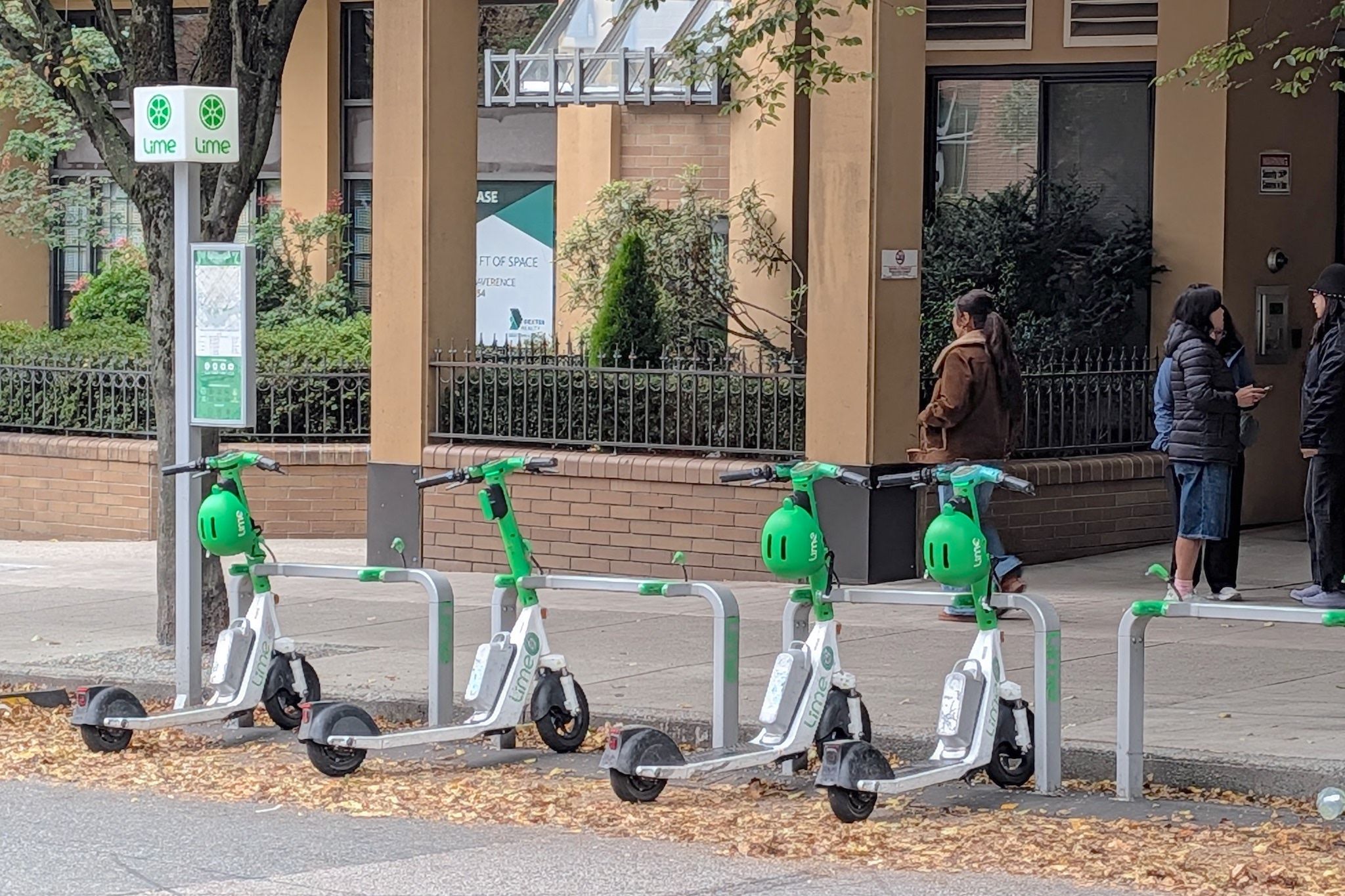
Lime, the e-bike and e-scooter shared services company, plans to offer two free rides of up to 15 minutes each to voters in eight cities across British Columbia. This offer, available between October 16 and October 24, 2026, aims to facilitate travel to and from voting locations during both municipal elections on Saturday, October 17, and the provincial election on Saturday, October 24. The promotion, using the code VOTECAN26, includes Vancouver, Burnaby, Richmond, New Westminster, Coquitlam, Port Moody, Victoria, and Kelowna.
From a business perspective, the decision to offer free rides during an election period is not merely a civic gesture. It represents a form of market penetration and brand reinforcement, particularly in a sector often subject to municipal regulation and public scrutiny. The company positions itself as a facilitator of civic participation, which can foster goodwill and potentially influence future regulatory environments. This is a common tactic in urban mobility, where establishing a presence often precedes profitability, and public perception can weigh heavily on operational viability.
The fact that Lime's offer spans most of the provincial election’s six-day advance voting period, beginning on Friday, October 15, suggests a comprehensive effort to maximize exposure and utility. For users, a free 15-minute ride is a tangible, if limited, benefit. For Lime, it is an investment in data collection and user acquisition, as each ride generates data on routes and usage patterns, and each new user registers with the service. The cost of these rides, when weighed against the potential gains in public relations and policy leverage, appears to be a calculated expense.
However, the strategy is not without its limitations. The offer applies only where Lime operates, and within specific ride parameters. For those living outside the designated eight cities, or whose polling stations require longer travel, the offer provides no benefit. The success of such a campaign relies heavily on public awareness and logistical ease of use. If voters encounter technical issues with the app or the promotional code, the intended positive effect could diminish.
The Asia-Pacific region, where Lime established Singapore as its Asia-Pacific headquarters in 2019 and tapped South Korea that same year, presents similar opportunities and challenges for such initiatives. While Vancouver’s municipal and provincial elections are distinct from national polls in Thailand, the underlying principle of private companies engaging with civic processes holds regional relevance. Local regulations, infrastructure readiness, and varying levels of digital literacy will shape how effectively such a model could be replicated or adapted elsewhere. The model in British Columbia provides a datatest for how a company integrates itself into local governance and public utility, offering a roadmap for similar engagements in other markets.
Ultimately, Lime's offer in British Columbia is a strategic move to secure its place in the urban transport landscape. The company aims to make its service indispensable by linking it to essential civic functions. The unresolved tension lies in whether these calculated civic gestures translate into long-term public benefit beyond the immediate promotional period, or if they primarily serve to entrench corporate interests under the guise of public service.
Sources
Newsletter
Pacific Daily
A curated briefing from Thailand, Asia-Pacific and the world.