Aviation Advisory Expands: Houthi Attacks Shift Regional Airspace Control
The European Union Aviation Safety Agency's expanded advisories, now including Saudi airspace, signify a structural shift in regional aviation risk assessment and decision-making, impacting commercial flight routes.
SINGAPORE
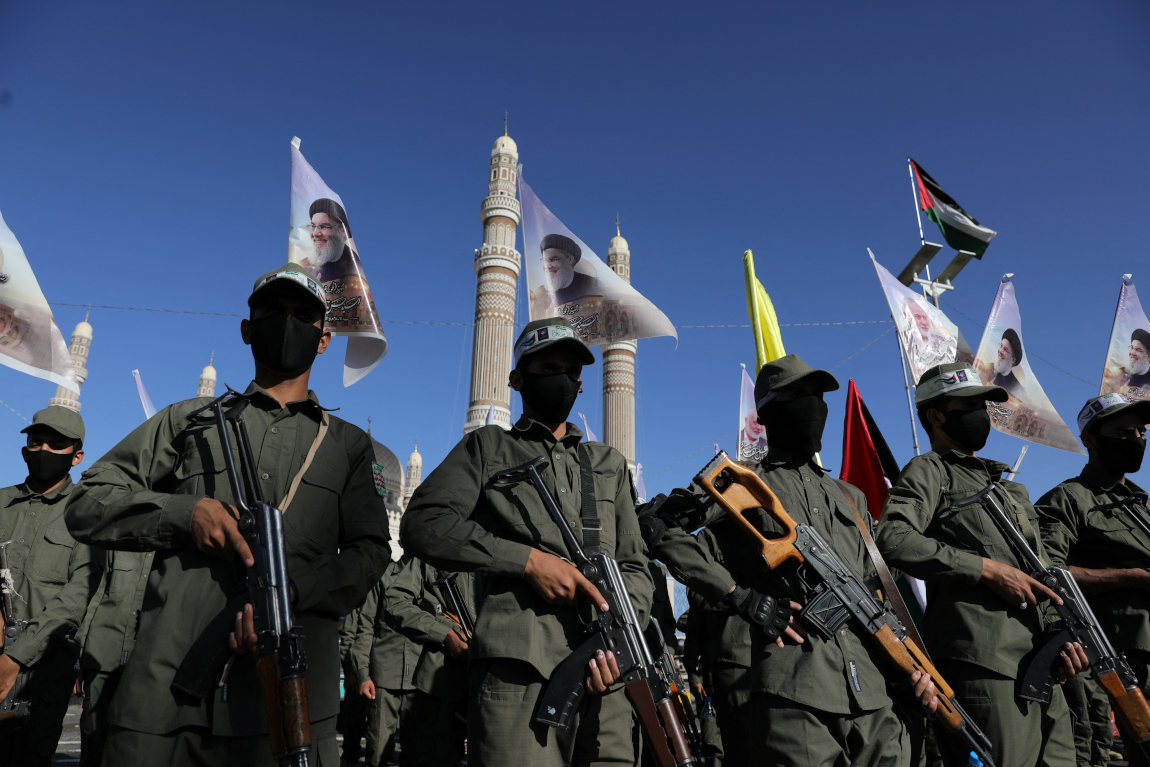
The European Union Aviation Safety Agency (EASA) has issued a new advisory for airlines to avoid Saudi airspace, effective September 30. This decision follows a recent increase in attacks by Iran-aligned Houthi forces. The advisory expands upon existing warnings that extend until November 16, which cover the airspace over Lebanon, Iran, Iraq, and the territorial Gulf waters of Bahrain, Kuwait, Qatar, the United Arab Emirates, and Oman.
Structurally, this expansion of no-fly or avoidance zones reflects a significant re-evaluation of aviation risk in the Middle East. While previous advisories, like those issued in July and February 2026, already cautioned against specific airspaces due to regional conflicts, the inclusion of Saudi Arabia marks a further geographical escalation of perceived threat. The EASA, an external regulatory body, is asserting a greater degree of control over the operational parameters for flights traversing a critical global air corridor.
The immediate implication is an increased burden on commercial airlines. Carriers must now reroute flights, leading to longer flight times and higher fuel consumption. This operational adjustment began in February 2026 when conflicts initially grounded some Europe-bound flights, with authorities issuing urgent safety advisories then. The cumulative effect of these extended and broadened advisories is a sustained disruption to routes that connect Europe, Asia, and Africa.
For Asia-Pacific aviation, particularly hubs like Bangkok, the impact translates to altered flight paths for inbound and outbound services to and from Europe and the Middle East. Airlines operating these routes face the constraint of avoiding large swathes of airspace, necessitating more circuitous journeys. This affects scheduling, operational costs, and potentially passenger capacity. The decision-making authority for these critical flight paths has effectively shifted from individual carrier assessment to a more centralized, external safety dictate.
One might argue that airlines are accustomed to rerouting for various geopolitical reasons. However, the consistent and expanding nature of these advisories, originating from a significant regulatory body like EASA, suggests a more enduring structural challenge rather than a temporary deviation. The specific mention of Houthi attacks as the catalyst for the Saudi advisory underscores a persistent non-state actor threat that directly influences sovereign airspace and international civil aviation.
The unresolved constraint remains the persistent instability in the region. Until the underlying security challenges are addressed, external agencies like EASA will continue to hold significant decision-making power over what was previously sovereign or commercially determined airspace. The outcome now depends on the duration and intensity of regional conflicts, which dictate the practical limits of global air travel.
Sources
Newsletter
Pacific Daily
A curated briefing from Thailand, Asia-Pacific and the world.