Australia's visa tightening shifts regional education dynamics
Rising student visa rejections in Australia signal a policy-driven recalibration, impacting student flows across the Asia-Pacific.
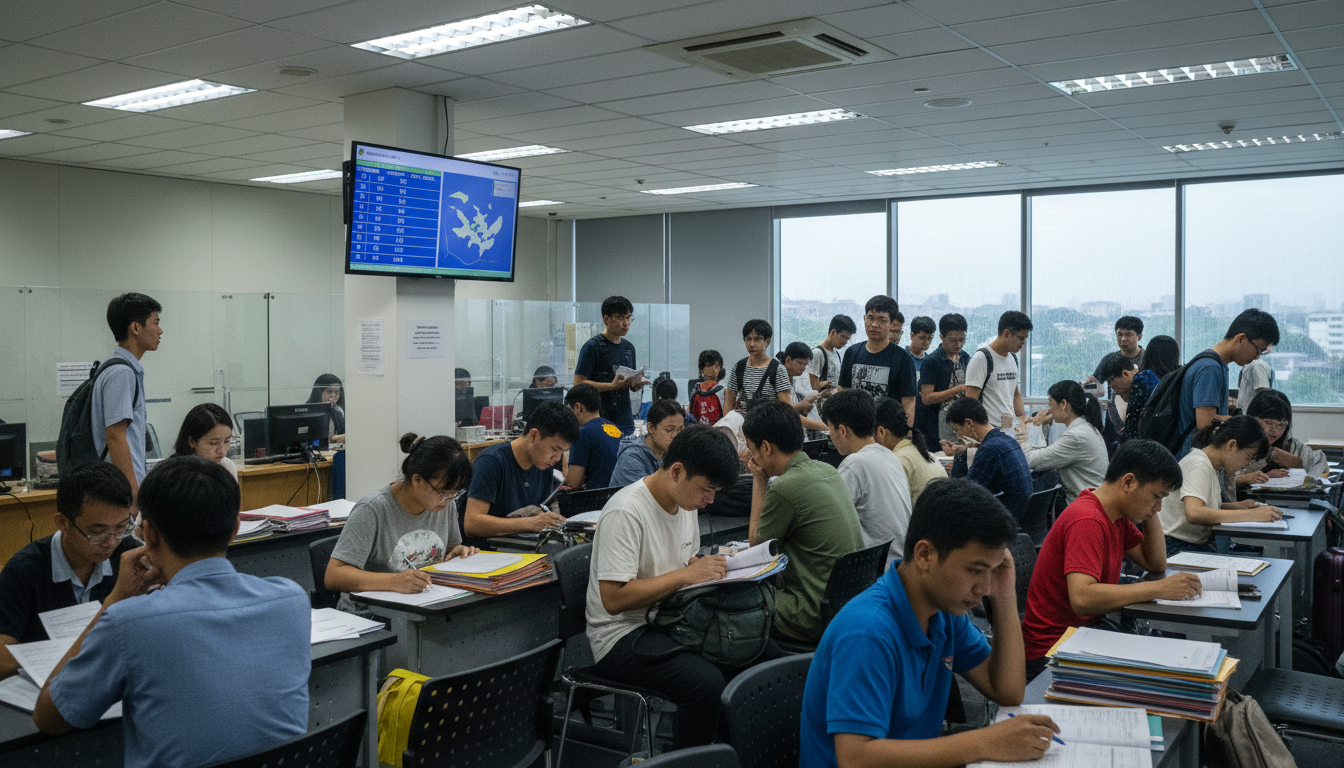
Australia's student visa refusal rate has reached its highest level in a decade, with nearly one in four applications rejected, as reported by VnExpress International on September 15, 2026. This development reflects a deliberate tightening of scrutiny by the Australian government concerning international students. The shift is not isolated; VnExpress International reported on May 19, 2026, that Australia suspended new private college courses for international students.
This trend aligns with a broader pattern of developed nations adjusting immigration and education policies. In the US, some colleges reported fewer foreign applications as student visa refusals reached a high point. Canada, once considered a primary destination, also faces questions regarding its appeal to international students, as noted by BBC on April 14, 2026. These instances collectively suggest a systemic response to perceived pressures or policy objectives, rather than an isolated national decision.
For Thailand and other nations in the Asia-Pacific, Australia's policy adjustment presents a dual dynamic. The immediate effect is a reduction in outbound student mobility to Australia, potentially diverting students seeking international education opportunities. This includes students from Vietnam, who are identified in the original VnExpress International report as a significant demographic affected by the rejections. The incentives for Australian authorities appear to be driven by a desire to manage population growth, infrastructure strain, or perceived exploitation within the education visa system. VnExpress International, on September 17, 2024, outlined six reasons for Australia's rejections, indicating specific criteria being applied.
The potential winners in this recalibration are educational institutions in other regional hubs capable of absorbing these redirected student flows. Countries with strong, affordable higher education systems and more accommodating visa policies could see an increase in applications. Conversely, the losers are Australian educational providers, particularly those reliant on international student revenue, and students whose aspirations for an Australian education are now curtailed. The counterargument, that this policy will enhance the quality and integrity of Australia's education system, assumes that a reduction in numbers correlates directly with improved outcomes for remaining students and institutions. However, the direct evidence for this correlation is not present.
The outlook suggests continued scrutiny and potentially further restrictions from Australia as long as the underlying incentives remain unchanged. For Asia-Pacific nations, this necessitates a strategic evaluation of their own educational offerings and immigration frameworks. The outcome now depends on whether alternative destination countries can effectively cater to the displaced demand for international education, or if this marks a sustained contraction in global student mobility.
Sources
Newsletter
Pacific Daily
A curated briefing from Thailand, Asia-Pacific and the world.