As Canadian Chains Revisit Menus, Asia’s Breweries Face Shifting Tides
The temporary return of classic dishes at CRAFT Beer Market in Canada offers a study in consumer nostalgia, contrasting with a volatile landscape for regional beer producers and distributors in Asia-Pacific.
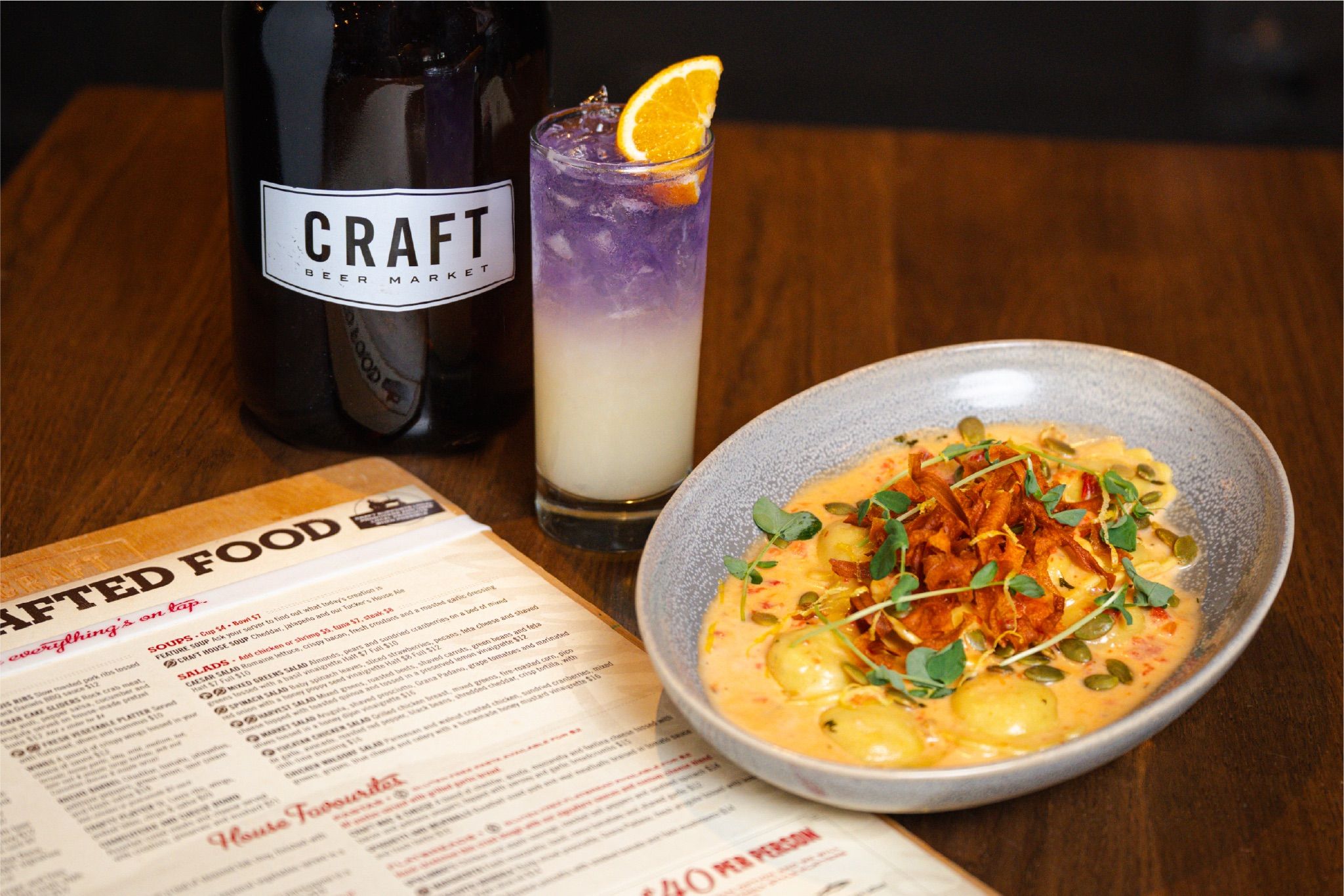
The announcement by CRAFT Beer Market in Canada, celebrating its 15th anniversary with the return of four classic menu items, illustrates a business strategy often employed to leverage consumer sentiment. The company, which opened its first location in Calgary in 2011, is bringing back offerings like Butternut Squash Ravioli, Empress, Gin Squeeze, Radler, Fast Food Sushi, Monterey Jack, and Taquitos for a limited time. This initiative, reported by Daily Hive Vancouver on October 13, 2026, aims to evoke “fond memories” among what it terms “CRAFT Beer Market OG” patrons.
This technique relies on the perceived emotional connection customers have with past products. By reintroducing these items, CRAFT Beer Market seeks to capitalize on a sense of loyalty and nostalgia, encouraging repeat visits and generating renewed interest. The cost to sustain such a strategy is primarily in managing supply chains for potentially discontinued ingredients and marketing the temporary nature of the offer. This approach functions as a short-term sales driver, tapping into a psychological attachment rather than introducing entirely new culinary concepts.
However, this Canadian domestic marketing tactic stands in sharp contrast to the more fundamental structural shifts observed within the broader beer industry across the Asia-Pacific region. While a chain like CRAFT Beer Market can selectively curate its past for profit, breweries in this region confront market realignments and operational pressures. Heineken, for instance, has committed its Asia-Pacific beer efforts to expansion in Vietnam, a significant strategic move reported by Nikkei Asia on September 4, 2026. This indicates where major players see growth opportunities, highlighting a focus on emerging markets and scale, rather than on nostalgic menu curation.
The regional landscape also shows signs of contraction and consolidation. In Singapore, Archipelago Brewery is set to close, an event CNA described in June 2024 as “an end of an era.” Such closures suggest that even established local brewers face challenges that go beyond menu innovation. Further, the industry has seen significant corporate maneuvers, as evidenced by Tilray Brands’ acquisition of BrewDog Australia, reported by Cannabis Business Times in March 2026. This indicates a trend towards consolidation, often driven by larger entities seeking market share or diversification, such as cannabis-related ventures entering traditional beverage sectors.
The competitive environment in the region has also been shaped by regulatory actions. Asia Pacific Breweries Singapore, for example, committed in October 2015 to discontinue exclusivity practices following a probe, a detail reported by The Straits Times. This suggests a history of market dominance being scrutinized and adjusted. Such regulatory shifts can open the market to smaller players but also intensify competition, making it harder for some to sustain operations. The Taipei Times, in June 2016, also reported on “Trouble brewing,” alluding to underlying difficulties within the industry.
For consumers in Thailand and the wider Asia-Pacific, the Canadian model of nostalgic menu reintroduction offers a momentary diversion from the more complex realities of the regional beer market. Here, the challenge is not merely about bringing back a beloved dish; it concerns the survival and expansion of breweries, market competition, and the strategic decisions of global beverage giants. While Canadian consumers might celebrate the return of a Radler, those in Asia-Pacific confront a market in which the very presence of a local brewery or a specific brand can be precarious. The question for many regional operators remains how to achieve sustainable growth amidst these shifting dynamics, not simply how to revisit what once was.
Sources
Newsletter
Pacific Daily
A curated briefing from Thailand, Asia-Pacific and the world.