A Shift in Rugby Allegiance Reflects Shifting Regional Priorities
Papua New Guinea's contemplation of an exit from Oceania Rugby highlights a broader tension between established regional structures and emerging geopolitical realignments.
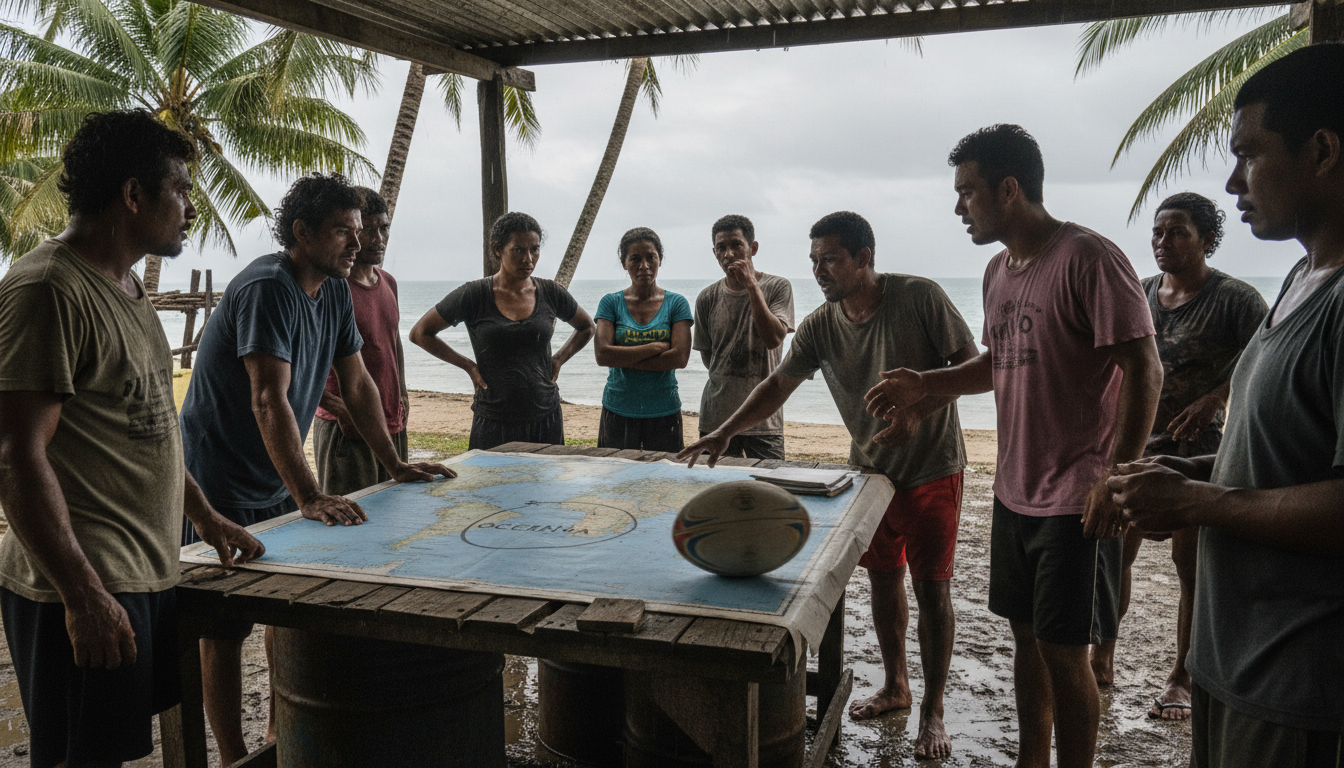
Papua New Guinea Rugby Union (PNGRU) interim president Vincent Karawa stated on Tuesday, September 22, 2026, that the PNGRU board is considering severing ties with Oceania Rugby. This decision hinges on the absence of clear justification for the country's ongoing suspension, which began in 2024. Karawa indicated that the board, and Papua New Guinea itself, has grown frustrated by Oceania Rugby's lack of clarity regarding reinstatement for regional and international rugby programs. The union is reportedly exploring the option of joining Asia Rugby.
This consideration by Port Moresby, if acted upon, moves beyond mere sports administration. It interrupts a long-standing pattern of Pacific island nations operating within regional frameworks established by historical and geographic ties. The PNG Rugby Union's frustration, expressed by Karawa, suggests that the perceived benefits of current regional alignment are being re-evaluated against a lack of practical support or clarity. A 2024 report by ABC Pacific attributed the suspension to "serious go" and sabotage within the PNGRU, introducing a layer of internal complexity to the external regional dispute. This suggests that while the visible tension is with Oceania Rugby, internal governance issues have also been a factor.
The potential shift to Asia Rugby for Papua New Guinea carries implications that extend beyond the field. For Bangkok, such a move would signal a further blurring of traditional regional boundaries, underscoring how non-traditional diplomatic avenues, like sports, can reflect and influence strategic reorientations. The National Rugby League (NRL) in 2026 was noted by the Australian Broadcasting Corporation as part of a diplomatic "knife fight" in the Pacific, indicating the strategic value attributed to rugby codes in the region. Furthermore, The Guardian reported in May 2026 that rugby union's Pacific heartlands faced threats from an NRL spree, particularly after Moana Pasifika's collapse. This suggests a competitive environment where different rugby codes, and by extension, their associated geopolitical influences, vie for dominance.
While the immediate impetus for PNG's consideration is the desire for reinstatement and clarity regarding its rugby program, the broader context points to an unresolved tension between traditional regional associations and the pursuit of perceived national interests. The argument for remaining within Oceania Rugby rests on established historical links and shared regional identity, which have shaped Pacific sports for decades. However, the reported frustration, coupled with the competitive landscape of rugby codes in the Pacific, suggests that these historical ties alone may not be sufficient to maintain loyalty if practical benefits or clear pathways are absent. Papua New Guinea's potential pivot underscores a growing willingness by regional actors to look beyond established, often Western-aligned, regional bodies when their immediate needs are not met, potentially reordering established power dynamics in the Asia-Pacific sports and diplomatic landscape.
Sources
Newsletter
Pacific Daily
A curated briefing from Thailand, Asia-Pacific and the world.